

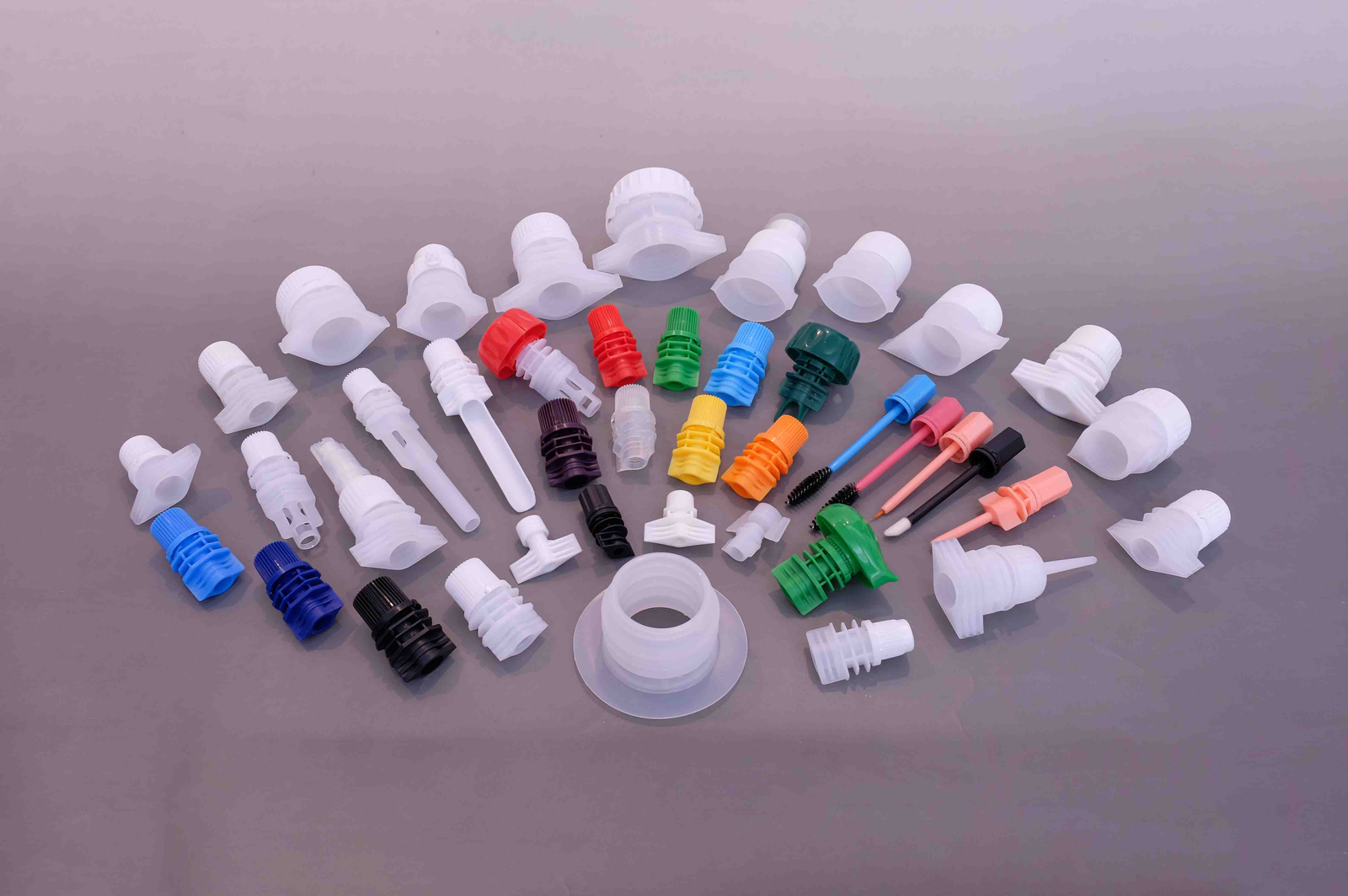
A spout cap is a small, cheap part that can stop a whole filling line. It is also the part of your pack that a consumer opens, closes and judges dozens of times. So the question a spout cap factory audit is meant to answer is narrow and unforgiving: can this supplier keep making the same cap, to the same tolerance, with the same food-contact material, next year as well as next month?
Most audit checklists answer a different question. They were written for a generic factory — any factory — and they ask whether a quality management system exists. That is a starting point, not an answer. This page is the version written for the closure itself: what to ask, and what you should be handed as proof, at each stage of a spout cap factory audit. It belongs to the compliance side of our Regulations & Recyclability hub, where "spout cap" always means the closure of a stand-up pouch or doypack fitment — never a gas-can or faucet spout cap.
What a spout cap factory audit is actually for
"Audit" gets used for at least three different exercises, and a supplier that does well in one can be weak in another. Before you agree to a scope, decide which one you need.
- A capability audit (sometimes called a factory capability and capacity audit, or FCCA) asks whether the plant can do the job: machine tonnage and count, mold-making, material handling, capacity against your volume. It is a fit question.
- A quality system audit asks whether the plant controls the job: documented procedures, calibration, nonconformance handling, corrective action. It is a repeatability question.
- A social compliance audit asks about labor and environmental conditions, usually to satisfy a buyer's own ESG policy or a brand's supplier code. It is a different team's audit and it will not tell you whether the cap seals.
A fourth activity is often filed under "audit" and is not one. Pre-shipment inspection checks finished goods before they ship. It is a product check performed after the work is done, and passing it says nothing about whether the process that produced the goods is under control. If your supplier offers "a free audit" and means a pre-shipment inspection, you have not been audited.
For a spout cap purchase, the audit worth your travel budget is the capability audit and the quality system audit run together, on the same visit. You are there to test two claims at once: this plant can make my closure, and this plant will make it the same way every time. How you shortlist the suppliers first is a separate exercise, covered in our guide to choosing a spout cap; this page starts once you are through the door.
The five claims you are really auditing
Reframe the visit. You are not there to collect ticks on a checklist; you are there to test five claims, each of which has a specific piece of evidence attached to it. If the supplier cannot produce the evidence, the claim is unproven — whatever the certificate on the wall says.
| The claim | What it actually means | Evidence to demand on the spot |
| 1. The cap seals | The sealing interface holds product in and air out across the shelf life and across repeated opening | A leak test method with its conditions and accept/reject level, plus results from the last three production batches |
| 2. The thread holds | Removal torque stays inside a band over time, not just at the capping head | A torque retention series (same sample, measured over days and after a temperature cycle), not a single application-torque number |
| 3. It fits your pack and your line | Bore, thread, height and closure type match your fitment and your capper | The approved drawing with tolerances, a first-article report against it, and a sample that your own line has run |
| 4. The material is food-contact safe | Every food-contact layer complies and is declared, including any masterbatch or regrind | A declaration of compliance for the exact grade, supported by migration test data and a resin certificate of analysis |
| 5. The batch is traceable | A defect found anywhere can be traced to a machine, a mold cavity, a resin lot and a date | A live trace of one finished carton, walked backwards from lot number to resin lot in front of you |
If the supplier cannot produce the evidence, the claim is unproven — whatever the certificate on the wall says. Ask for the evidence, look at it, and write down what was missing.
Two of those five are the ones that generic checklists skip, and they are the two that matter most for a closure. Claim 2 is a time measurement: a spout cap is molded in polypropylene or polyethylene, both of which creep, so the force stored in the closed cap does not stay where the capper left it. If the supplier only shows you application torque — the number the capping head put in — they have shown you the machine, not the pack. There is a standard method for the quantity you actually want: ASTM D2063/D2063M measures the removal torque of continuous-thread closures under controlled conditions over time, which is exactly the retention series to ask for. It was written for rigid containers rather than a welded-in fitment, so treat it as a borrowed method: same quantity, same time series, applied to the cap-and-spout interface.
Claim 5 is the one that separates a factory from a workshop. Traceability is not a folder of certificates; it is a chain that someone can walk under pressure. Ask them to pick a carton at random, read the lot number, and then retrieve the corresponding production record, in-process inspection sheet, resin certificate and mold maintenance entry. A supplier who can do that in ten minutes is auditable. A supplier who says "the system is in the computer, we can email it next week" has just told you the chain is not maintained in practice.
The measurement that turns claim 1 and claim 3 into numbers belongs in a document, not a conversation. The fields to insist on are in the spout cap specification sheet — a purchase order that references a drawing and a bore size, and nothing else, is not a specification.
Before the visit: the questions you can send by email
Half of an audit can be done from your desk, and doing it first means the site visit is spent on the floor rather than in a meeting room reading documents. Send this list with a deadline and note which items you expect as document files.
System and scope. Ask for the quality management system certificate and, more importantly, its scope statement. An ISO 9001:2015 certificate that names "trading" or "plastic products" and not injection molding of food-contact closures is a certificate for a different activity. If the plant also carries a food-safety scheme — HACCP, ISO 22000 or FSSC 22000, or a retailer-level scheme such as BRCGS — ask for those certificates and their scopes in the same message. A supplier that holds several schemes still needs to show each scope covers this product.
Calibration. Ask for the calibration schedule and the current certificates for the instruments that decide acceptance: bore gauges, micrometers, thread gauges, torque testers and leak test equipment. A gauge used past its calibration date is a gauge whose readings you cannot use.
Food-contact documents. Ask for the declaration of compliance for the exact resin grades used in the food-contact layers, plus the migration test reports behind it. Ask, separately, whether any regrind is used in those layers and at what percentage — an unprompted "no regrind in food-contact layers" is a better answer than a percentage, because it is a policy rather than a case-by-case decision.
Material identity. Ask for the resin data sheet and a certificate of analysis for the last three deliveries, and check that the grade named on the certificate matches the grade on the declaration of compliance. Substitution is the most common quiet change in injection molding, and it is invisible unless the paperwork is cross-read.
Regulatory documentation. If your pack will be sold in the EU, ask what technical documentation the supplier can contribute: material declarations, heavy-metal and other substance test reports, recycled-content statements and the component-level data behind them. The component list you need to collect is set out in the PPWR component documentation checklist for spouted pouches. A closure supplier who already knows which items are theirs is a supplier you will not have to chase in month eleven.
Sample and validation history. Ask for the first-article report from the last comparable project and the sample validation records — what was tested, on what, and what the outcome was.
One useful cross-check while the file is open: compare the certificates on the supplier's own website with the certificates they just sent you. Public certificate pages and private document packs drift apart, and the drift usually runs in one direction — toward the website. A supplier that publishes its certificates with their scopes makes the cross-check a two-minute job, and it is a fair question to ask why a certificate shown online is missing from the pack.

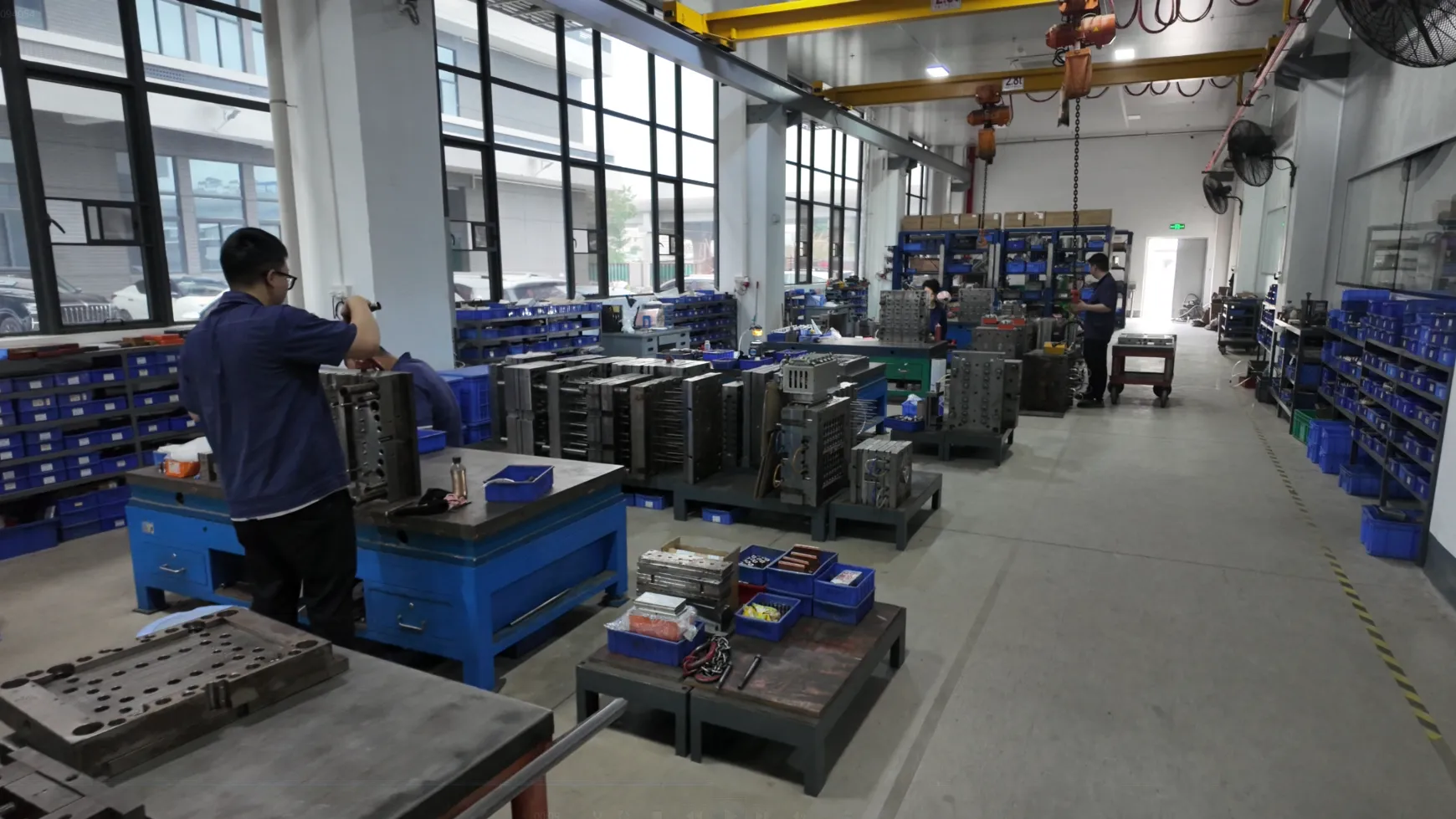
On the floor: at the injection-molding machine
The molding floor answers questions that documents cannot, because process control is visible in how a machine is set up and how its records are kept. Stand at one machine that runs a closure similar to yours and ask to see four things: the setup sheet, the process window, the current running parameters, and the in-process inspection record for today.
Then ask these.
- What is the machine's tonnage and how many cavities does the mold have? Tone matters less than the ratio: a closure with a thin hinge or a small bore running in a tool with far more cavities than the machine comfortably supports will drift. The answer you want includes the cavitation number, not just "250 tons".
- What is the cycle time, and is it recorded as a controlled parameter? Cycle time is one of the four or five variables that decide whether a molded part repeats. If it floats shift to shift, dimensional drift follows.
- How is the mold maintained, and can I see the log? Ask for the specific tool you would run, not a generic procedure. Mold maintenance history is also the best predictor of how a tool behaves in year three.
- What is the regrind policy? A defined maximum percentage, a segregation rule between food-contact and non-food-contact scrap, and a record of what was actually reground. Vague answers here are a material-safety risk, not a cost issue.
- How is resin dried and conveyed? Hygroscopic resins that reach the machine wet produce cosmetic and strength defects that appear after shipping, not at the press.
- Who signs off the first article when the tool is set, and against what? A first-article inspection that uses the customer's drawing, with recorded dimensions and tolerances, closes the loop between the drawing you approved and the parts you receive.
- If the tool is mine, where is it stored and how do I get it back? Mold ownership belongs in the audit conversation, not in a dispute two years later. Get the storage, maintenance and transfer terms in writing while you are still a prospective customer.
Whether the supplier makes its own tooling changes the answers to several of these, and it is worth understanding the trade-off before you judge: the arguments on both sides are set out in in-house mold shop versus outsourced tooling.

On the floor: the inspection and test equipment
Walk to the inspection area and look at what is actually measuring the parts, because this is where a well-run plant and a well-decorated one diverge. The questions here are about measurement confidence as much as about equipment.
Start with the gauges, not the machines. Ask whether the measurement system for the critical dimensions has been studied — a gauge repeatability and reproducibility (gauge R&R) exercise, at minimum on the characteristics that decide acceptance. A micrometer that reads two different values on the same part cannot support a tolerance claim.
Then ask about process capability. Ask for the SPC data on the critical dimensions of a comparable closure: not a control chart that shows the process is centered, but a capability index (Cp or Cpk) against the tolerance band, taken over a run long enough to include a tool change or a shift change. A process that only just fits inside the tolerance has no room for the natural drift of a long production order.
Then the functional tests. Three are specific to a closure, and you should see the physical setup for all three:
- Leak testing. Ask for the method and the acceptance criterion. For a finished pack the common method is a gross-leak test by bubble emission, described in ASTM D3078; on the cap alone, the check is usually a pressure decay or a vacuum test of the sealing interface. Whichever is used, ask how often it runs and what happens to the batch when it fails. A separate, useful page on diagnosing the failure is our guide to why a pouch spout leaks after filling — worth reading before the visit, because it is the failure your audit is trying to prevent.
- Torque testing. Ask for the torque tester, its calibration, and the band the supplier works to. Then ask the question that matters: how does removal torque behave after a week at elevated temperature? This is the retention series from the five claims, and it is the single most revealing test for a screw spout cap.
- Dimensional and fit checks. Bore diameter, thread pitch and start, cap height, concentricity. Ask whether these are measured on the finished part or on the mold, because the two are not the same measurement.
- Sampling. Ask what sampling plan governs outgoing quality — acceptance sampling by attributes, with the AQL level and the plan's origin (ISO 2859-1 is the common reference). "We check every batch" is not a sampling plan; a plan defines sample size, accept and reject numbers, and what happens on rejection.
If the supplier also molds the fitment that gets welded into the pouch, add one more: the seal strength test between fitment and film, destructive, run on the finished pack, following a flexible-barrier method such as ASTM F88/F88M. Ask to see the result at cycle zero and after a flex or drop sequence, not only on the qualification day.
Automated inspection: what to ask for, and how
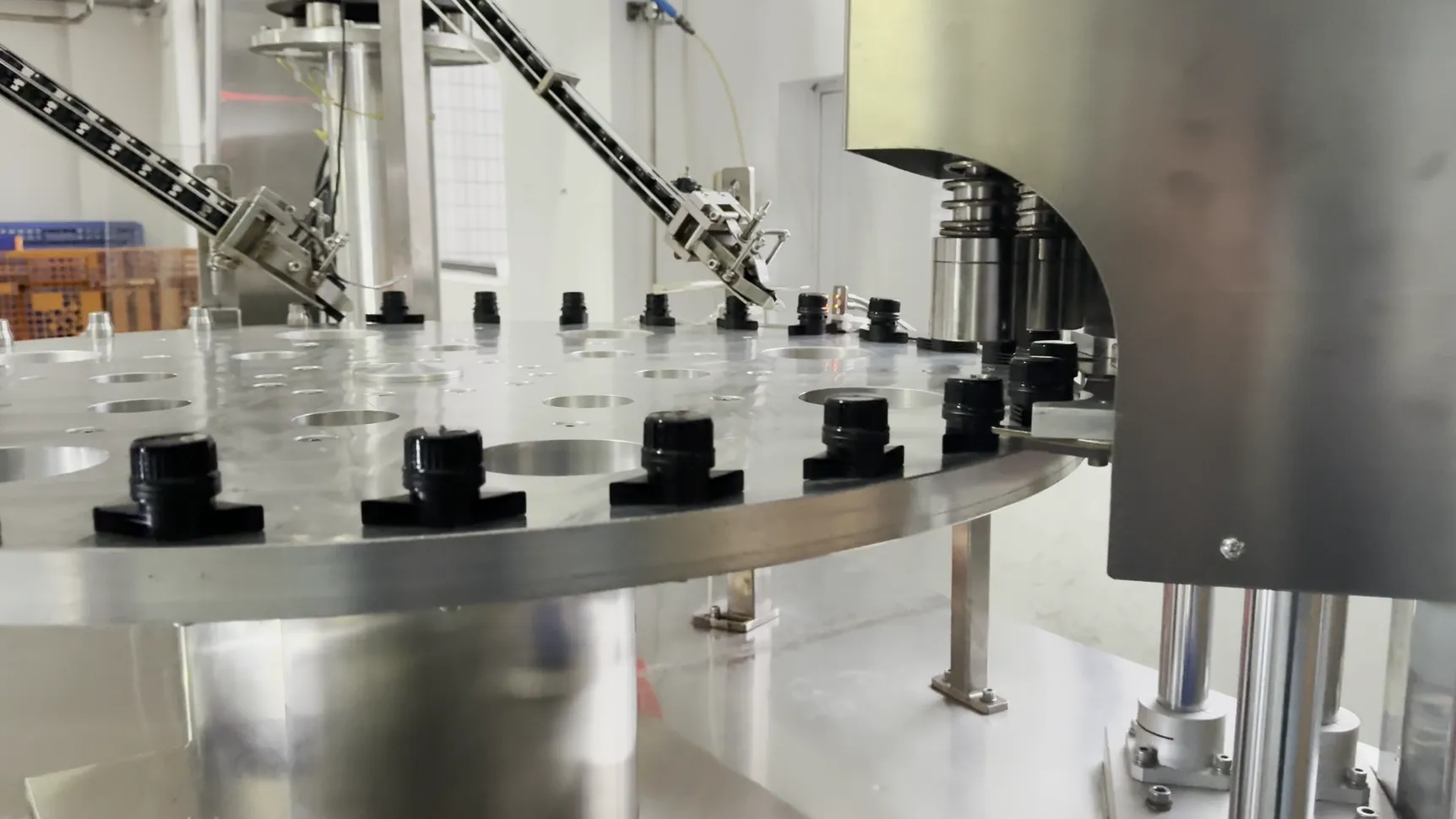
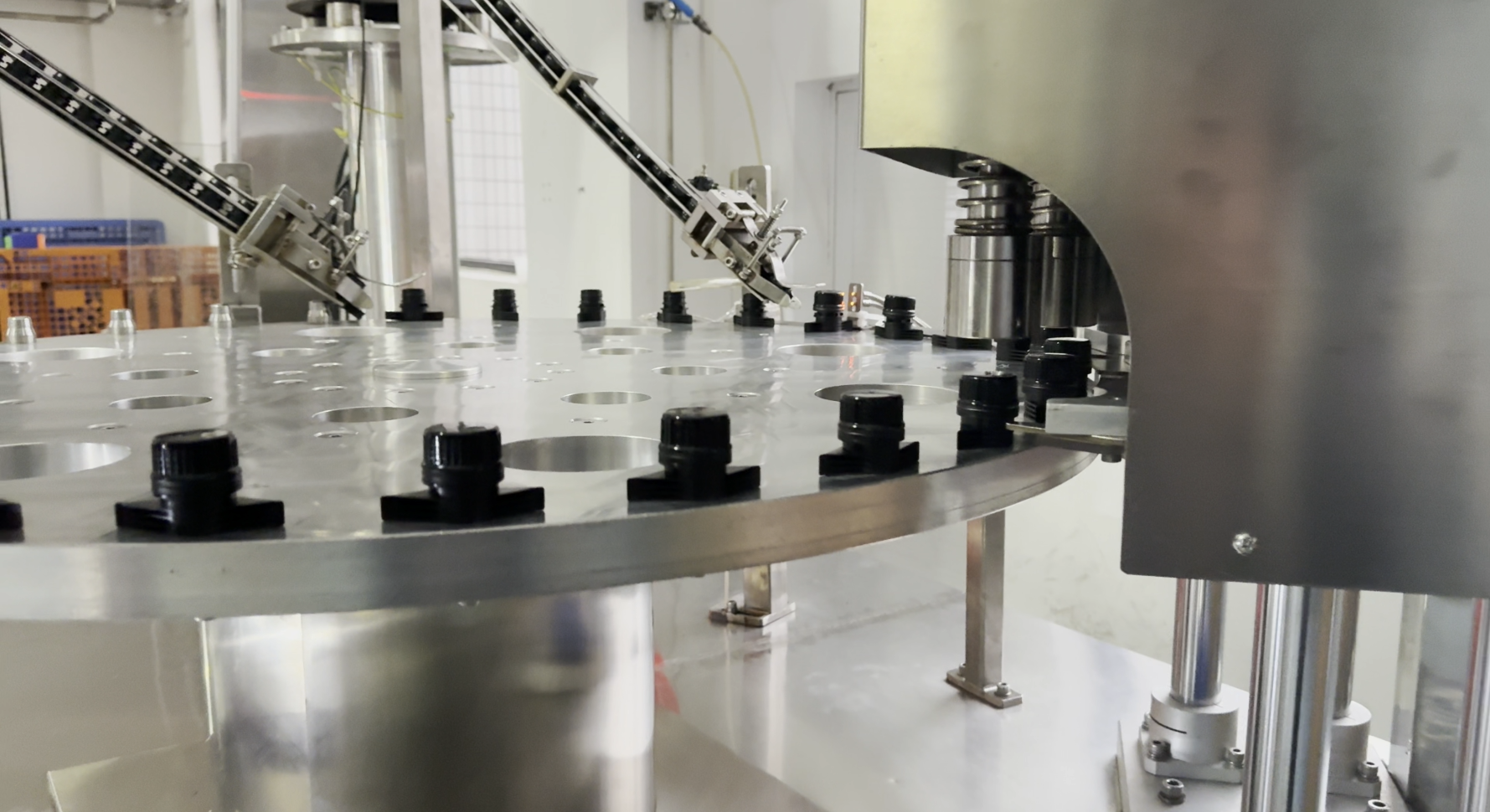
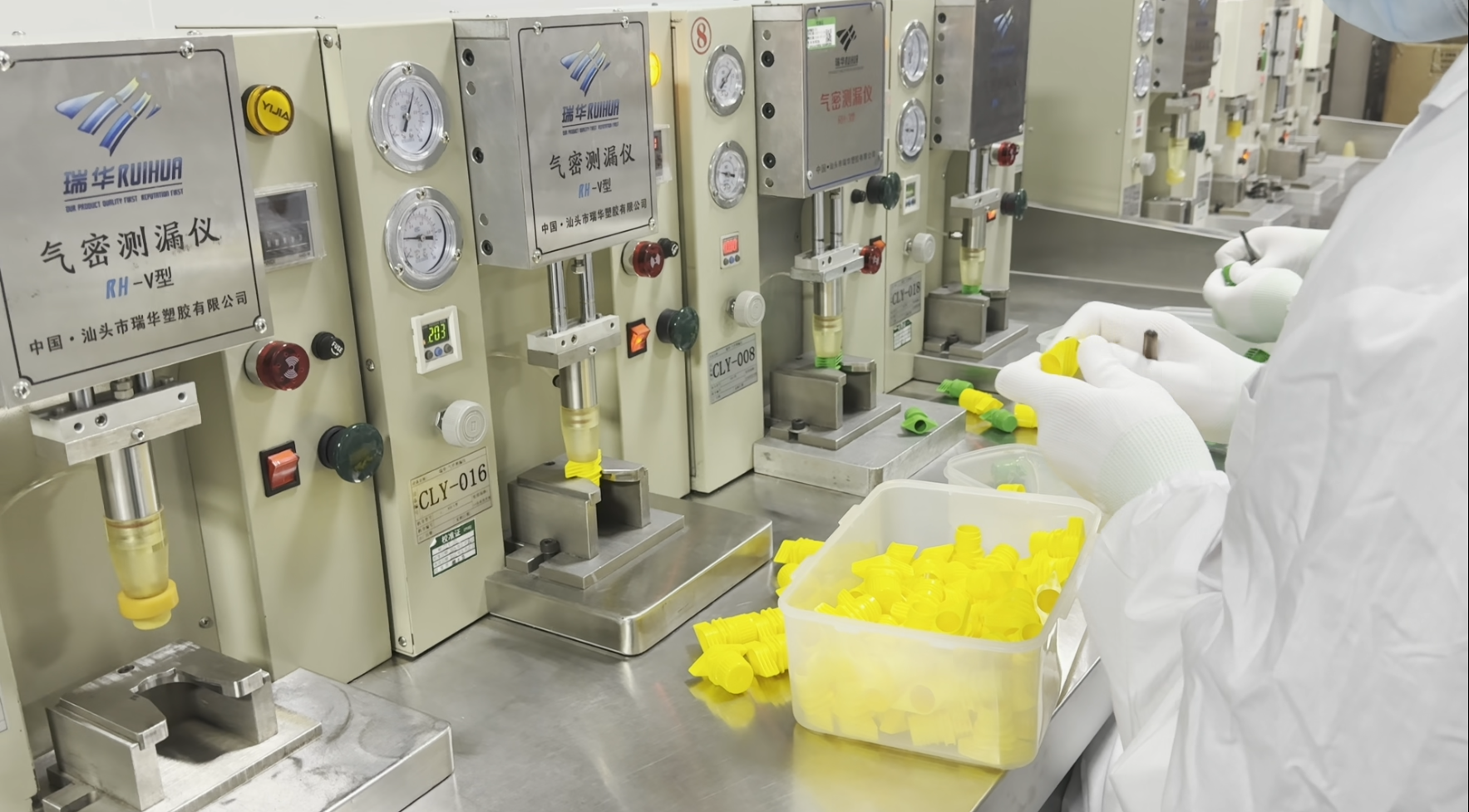
Visual inspection is the area where suppliers most often present capability as a slogan. Machine vision is genuinely useful on molded closures — it catches short shots, flashing, black specks, contamination and missing features faster and more consistently than an operator — but "we have AI inspection" is not an auditable statement. If you want automated inspection on your part, ask for it as a defined requirement and expect these answers:
- What is being inspected, and against what reference? A vision system is a comparison. Ask which defect classes the system is configured to reject and how the reference sample is controlled when the material or color changes.
- Is it in-line, end-of-line, or a sampling station? A system that inspects everything over a conveyor is a different control from one that checks a sample per hour. Both can be right; the answer must match the requirement you wrote.
- What happens to rejected parts, and are the results recorded? A pass/fail count with a retained record and a defined disposition for rejects is what makes automated inspection a control. Without the record it is a demo.
- What is the false-reject rate? Every vision system trades missed defects against good parts discarded. Ask which way the supplier set that trade-off for your part.
Automated inspection is best treated as an option you specify for a project, not an assumed default on every order. Where a project needs it, a machine-vision station can be assigned to that part on request — and the four questions above are exactly how you turn that request into a verifiable requirement instead of a promotional one. How far a plant's inspection capability extends beyond the vision station, including the in-house test equipment used for sealing checks, is worth walking through on the same visit; the way a molding supplier structures that capability is set out on the technical and quality page.

What vision settles, and what still needs a functional test
Machine vision answers one question well: does the part in front of the camera match the reference sample the system was taught? That is an appearance question. The table below maps the defect classes a buyer usually cares about onto what a vision station can settle, what it cannot, and what has to be recorded either way — a worksheet for the visit, not a statement of any supplier's capability. Fill the "detectable scope" column from what the supplier can demonstrate with a reference sample and a retained record, and leave it open where they cannot.
| Defect type | Reference sample | Detectable scope | Functional test still required | Record and disposition |
| Burr or flash at the thread start or the sealing rim | A retained good sample plus boundary samples at the reject limit | Edge and surface defects on the faces the optics see; a burr on a hidden face is out of view | A burr that reaches the sealing face is a leak risk — gross-leak test on the finished pack | Segregate the reject and log the count and the source cavity |
| Short shot, or missing material in a thread or band | A sample at the minimum acceptable fill, agreed in writing by both sides | A gross area of missing polymer on a visible face | Removal-torque and leak test — a partly formed thread can still close and still fail to seal | Segregate and record; feed the count back to the tool and the process window |
| Contamination — black specks, fibres, foreign particles | A cleanliness standard or a limit-sample set at the reject size | Opaque particles above the optics' resolution on an inspected surface | Where the particle is embedded rather than on the surface, a material and food-contact review | Remove from the flow, record the particle type, and open a corrective action on the source |
| Tamper-band damage or an incomplete band | A good band plus a break-limit sample | Band presence, continuity and gross deformation | Tamper-evidence function test — vision cannot confirm the band actually breaks on first opening | Segregate and record; a repeat pattern points at the tool, not the operator |
| Thread malformation or a wrong thread start | A master thread gauge and a sectioned good cap | Gross thread form on the visible portion | Dimensional and gauge check plus a removal-torque test; cross-threading is not a visual defect at all | Quarantine the lot and verify it against the gauge before release |
| Wrong colour, wrong part, or a missing component | A colour standard and a master of the finished assembly | Colour, part identity and assembly completeness on the inspected faces | None for identity; a fit check against the mating part | Stop the transfer, quantify the mixed batch, and trace the cause |
Two conclusions matter more than any single row. First, a vision pass is not a functional pass. Vision can confirm a cap looks like the reference; it cannot confirm the closure holds pressure, that its removal torque survives a week at elevated temperature, or that its tamper band breaks on the first opening. A sealed, working pack is proved by a leak test, a torque-retention series and — where the fitment is welded — a seal-strength test on the finished pack. Second, full inspection is not zero defects. A station rejects what it was tuned to see; a defect below its size or contrast threshold passes. "100% inspected" describes how much of the flow went past the camera, not how few defects left the building. Ask for the record and the disposition behind a claimed capability, and treat a pass rate quoted without a reference sample behind it as an open question.
The documents that turn an audit into compliance evidence
For a food-contact closure, the audit is not finished when the process looks controlled. You also need to know that the material can be legally used and that the paperwork will survive a customer or authority review. This is where a closure audit overlaps with packaging regulation, and it is where a generic checklist runs out of questions entirely.
Food contact, in the market you sell into. In the EU, the framework is Regulation (EC) No 1935/2004; for plastic materials the specific measure is Regulation (EU) No 10/2011, which requires a written declaration of compliance and the migration test data that supports it. In the United States, food-contact olefin polymers for closures fall under 21 CFR 177.1520. Ask for the declaration that names your market and the exact grade, and read the migration conditions rather than the conclusion. The comparison of what each regime demands, and where they disagree, is in our guide to FDA, EU 1935/2004 and GB 4806.
Substance limits under the packaging regulation.Regulation (EU) 2025/40, the Packaging and Packaging Waste Regulation, applies from 12 August 2026 and sets its own limits on heavy metals and on total fluorine in packaging. These are test-report items, not declarations of intent: ask for the laboratory reports on a sample of the actual part and read the tested sample description. Where a supplier claims a fluorine result, keep the claim precise — a total-fluorine pass is not the same statement as "PFAS-free", and our note on PFAS and heavy metals in spout caps explains the distinction, including why the test report itself may recommend further work.
The practical version of this section is a short list you can send ahead of the visit. Name the market, name the document, and name what you will check on it — a document produced against the wrong scope is worth no more than no document.
| Market | Document to demand | What to check on it |
| EU | Declaration of compliance for the food-contact layers (framework: Regulation (EC) No 1935/2004; plastics: Regulation (EU) No 10/2011) | The exact resin grade, the migration test conditions, and whether the declaration covers the layer that touches product |
| US | Food-contact compliance statement for the polymer, citing 21 CFR 177.1520 for olefin polymers | That both the base polymer and the additive package fall under a listed section |
| EU, packaging side | Heavy-metal and total-fluorine test reports against Regulation (EU) 2025/40 | The tested sample description and the report date; do not read a fluorine pass as a PFAS-free claim |
| Any market | Batch traceability record plus the resin certificate of analysis for the delivered lots | That the certificate of analysis names the same grade as the declaration of compliance |
The reusable and tethered angles. If the pack is reusable, or if it carries a tether, the closure attracts duties that a single-use closure does not. Directive (EU) 2019/904 is the instrument that produced tethered and non-detachable caps on the products it covers, and where a refill or tethered design applies, the hinge becomes a second wear path alongside the seal. Ask the supplier whether the closure has cycle data at all, and against what cycle count. The design trade-offs are set out in a spout cap that stays attached to the pouch.
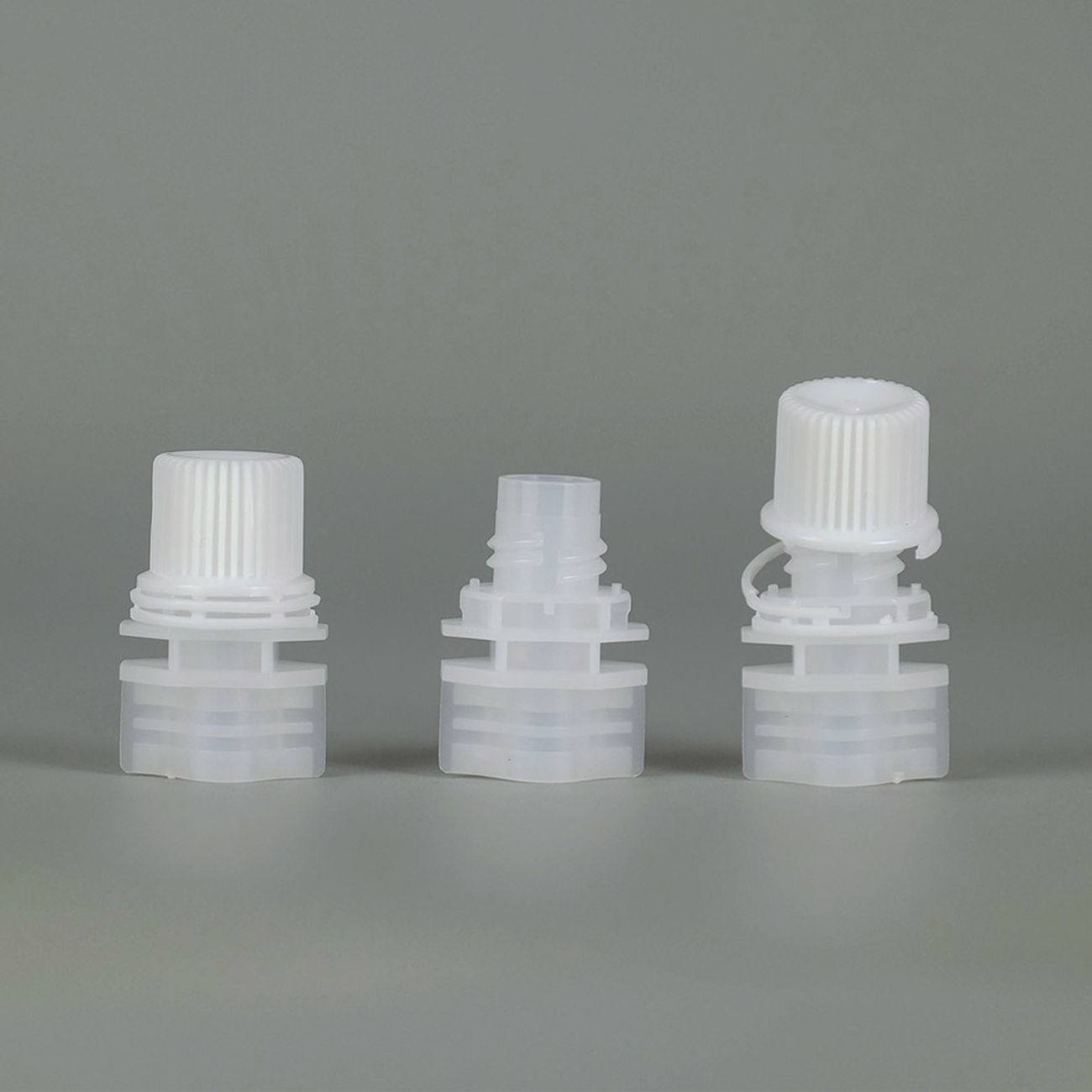
One habit ties this section together. When a document is produced, ask which part it covers. Certificates, test reports and declarations are written against a scope — a company, a site, a product family, a tested sample. An audit finding is not "the certificate is missing"; it is "the certificate covers a different product than the one I am buying".
Traceability, change control and the questions that expose a gap
Most supplier problems are not failures of capability. They are failures of change control: something changed and nobody told you. The last set of questions is aimed directly at that.
Traceability. Already covered as claim 5, but push one level further and ask how long records are kept and in what form. If a defect surfaces after eighteen months of retail, can the batch still be reconstructed? Ask for the retention period in writing.
Change notification. Ask what triggers a notification to the customer: a resin grade change, a masterbatch or color change, a mold repair that alters a cavity, a machine move, a subcontracted operation, a change in the packaging of your parts. A supplier with a written change-notification process is worth more than one with a slightly better price, because the cost of an unannounced change lands on your line.
Sub-suppliers and subcontracting. Ask whether any operation is subcontracted — printing, assembly, secondary machining, sterilization — and how those suppliers are themselves qualified and audited. The clause "no subcontracting without written approval" should exist in the purchase agreement, not only in conversation.
Complaints and corrective action. Ask to see a completed corrective-action record, anonymized if necessary, from a real complaint: the root cause, the containment, the corrective action and the verification that it worked. A file of empty forms is a finding. A completed record with a date showing it was closed is evidence. If the supplier uses an 8D format or a similar structured method, ask who owns it and whether the closure is verified against a returned sample.
Special requirements for closures. If your product needs child resistance or a tamper-evident band, the audit must cover the specific tests and the probability-of-failure criterion, not just "we can do it". What those requirements mean in practice, and how to specify them, is in tamper-evident versus child-resistant closures.
Re-audit cadence. Ask when the supplier last re-audited a sub-supplier, and when it was itself last audited by a customer or a certification body. A plant that has not been looked at by anyone else in three years tells you something about its own control system.
Scoring the audit, and writing it into the specification
An audit that ends with a story rather than a score cannot be compared with the next one. Build two layers before you travel: a small set of pass/fail gates, and behind them a weighted score.
The gates are the items where a failure stops the conversation regardless of everything else: no declaration of compliance for the food-contact grade; no traceability from finished carton to resin lot; no capability data on the critical dimensions; no calibration on the gauges that decide acceptance; no change-notification process. Five gates, each answered yes or no.
Behind the gates, score the rest on a simple weighting — process control and measurement confidence heaviest, then material and documentation, then capacity and lead-time reliability, then the softer items around communication. Decide the weighting before you visit, not after, or you will unconsciously fit the score to the supplier you liked.
Then take the audit's output one step further than most buyers do: convert the answers into acceptance criteria in the purchase documentation. The claim "the cap seals" becomes a leak-test method, a sample size and an accept level. "The thread holds" becomes a torque-retention band and the conditions under which it is measured. "Food-contact safe" becomes a named grade and a declaration kept on file. Material that lives only in an audit report will not be enforced on a shipping day.
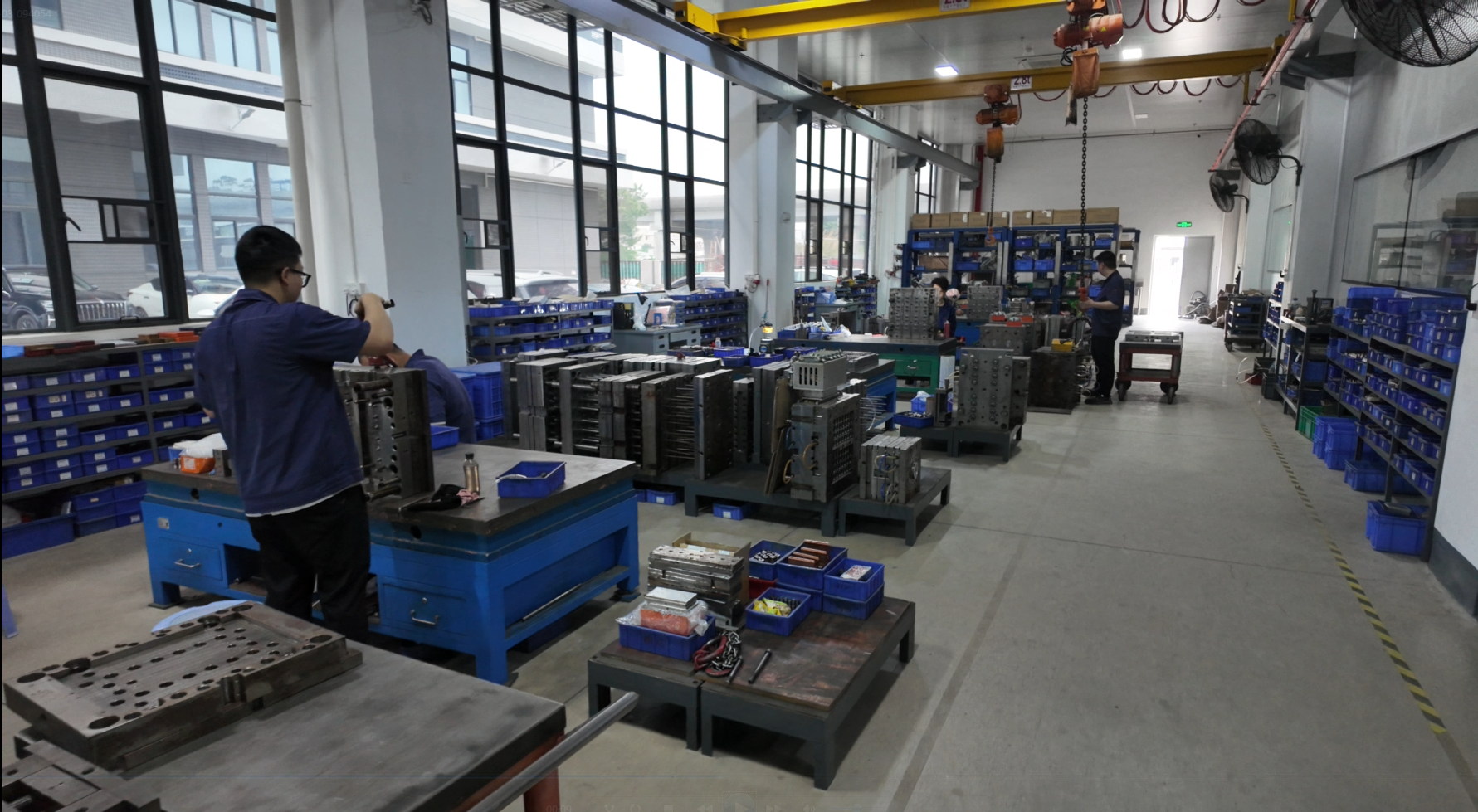
That step is where a supplier's own readiness becomes visible. A plant that keeps its process data, its calibration, its test reports and its material declarations current can hand them over quickly; a plant that produces them as a project does not. This is the practical reason we keep an in-house mold room, a dust-free molding workshop and a test room under one roof, and publish the documents a buyer will ask for — ISO 9001:2015 and HACCP certification, US FDA and EU 1935/2004 food-contact compliance, and third-party SGS test reports for the Packaging and Packaging Waste Regulation's heavy-metal and total-fluorine limits. When a buyer asks us for a component-level documentation pack, it is assembled from files that already exist rather than created for the occasion.
An audit does not end with a signature. Set the cadence now: a full re-audit before the next major tooling change, a documentation refresh annually, and a short remote check whenever a change notification arrives. That schedule is what keeps the picture current.
If you are assembling the questionnaire and want to test it against a supplier who will answer it in writing, start with the document pack and the sample rather than the price — the quote and sample request route exists for exactly that sequence.
Frequently asked questions
Is a remote audit enough instead of visiting?For a documents-first supplier, a remote session can cover the system and the paperwork well, and it is a reasonable way to screen several candidates. It cannot cover the molding floor or the inspection bench, and those are where the claims in this article are tested. Use a remote review to shortlist, then visit the one or two plants you intend to buy from.
How many suppliers should I audit, and how long does one take?Two or three shortlisted plants is usually enough for a decision; three is the practical minimum to see a spread. A single-site visit that covers the questions here takes most of a day, plus the document exchange beforehand. Budget the reading time as part of the audit rather than treating it as an afterthought.
Can a certificate replace the audit?No. A certificate describes a system and a scope; it says nothing about the process window on the machine running your part, the state of the tool, or how a complaint was closed. Certificates are useful evidence to collect and cross-check — read the scope — but the audit is the part that tells you whether this supplier will repeat next year.