

Insights & updates
Spout cap guides & packaging insights
Selection, sealing, compliance and sourcing — the questions buyers actually send us, answered by the factory that moulds the parts.
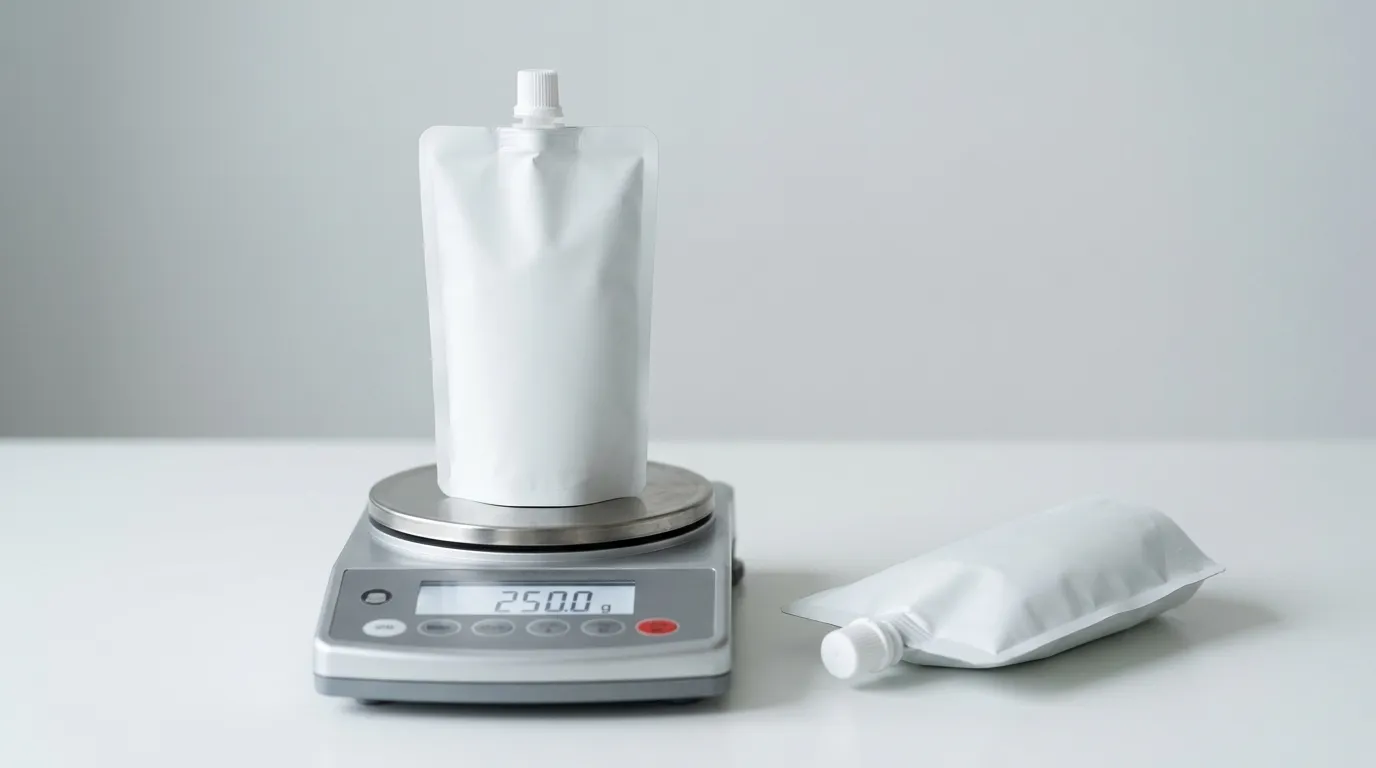
Permeation vs Leakage in Spouted Pouches
A shrinking fill weight does not say whether a spouted pouch is permeating or leaking. Tell the two apart with batch distribution, residue and one leak test.
Read guide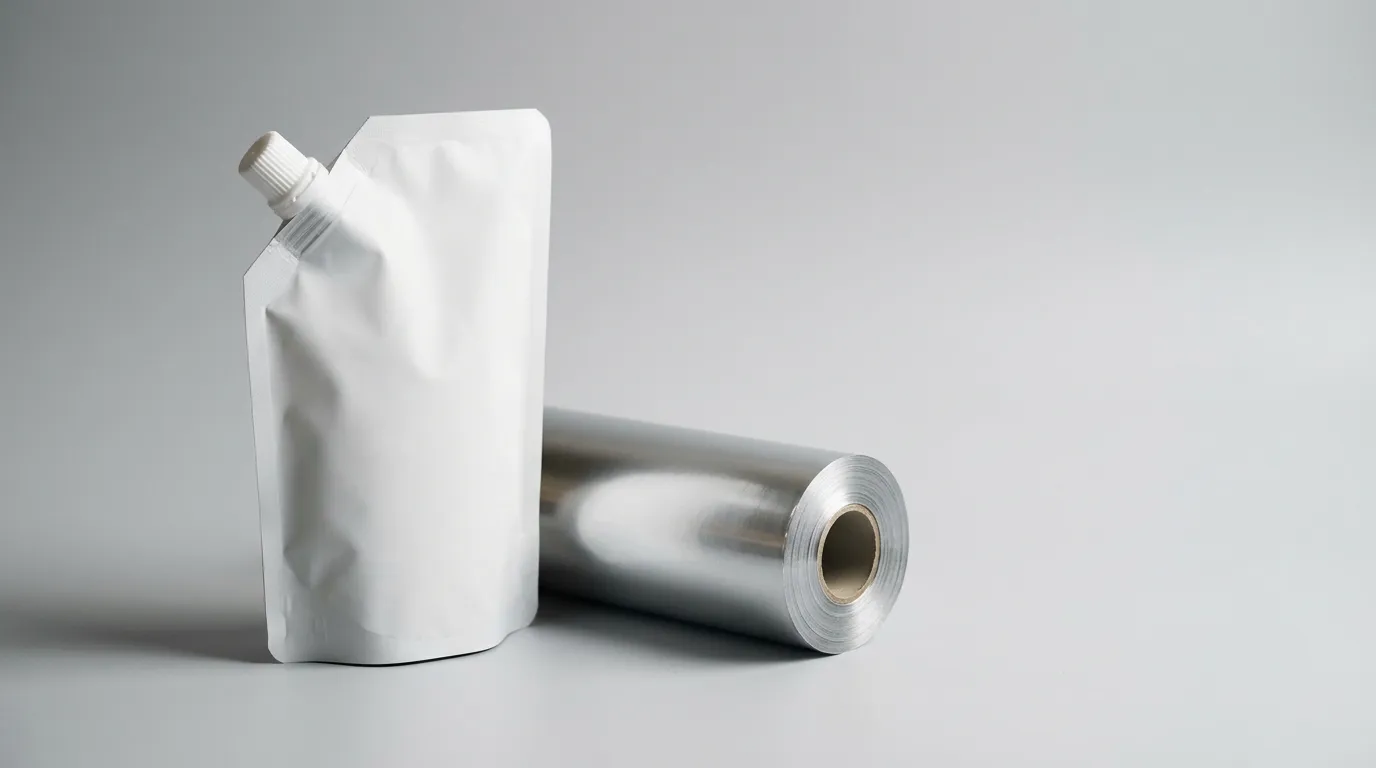
Oxygen Barrier Data: Film vs Spouted Pouch
An oxygen transmission rate (OTR) figure describes the laminate, not the pouch. What the spout, the seals and the headspace add, and which test answers what.
Read guide
Spout Pouch Drop Test: Record Failure Location
A spout pouch drop test earns its keep only when the record names the drop and the zone that failed. Here are seven fields, a six-zone map and a blank sheet.
Read guide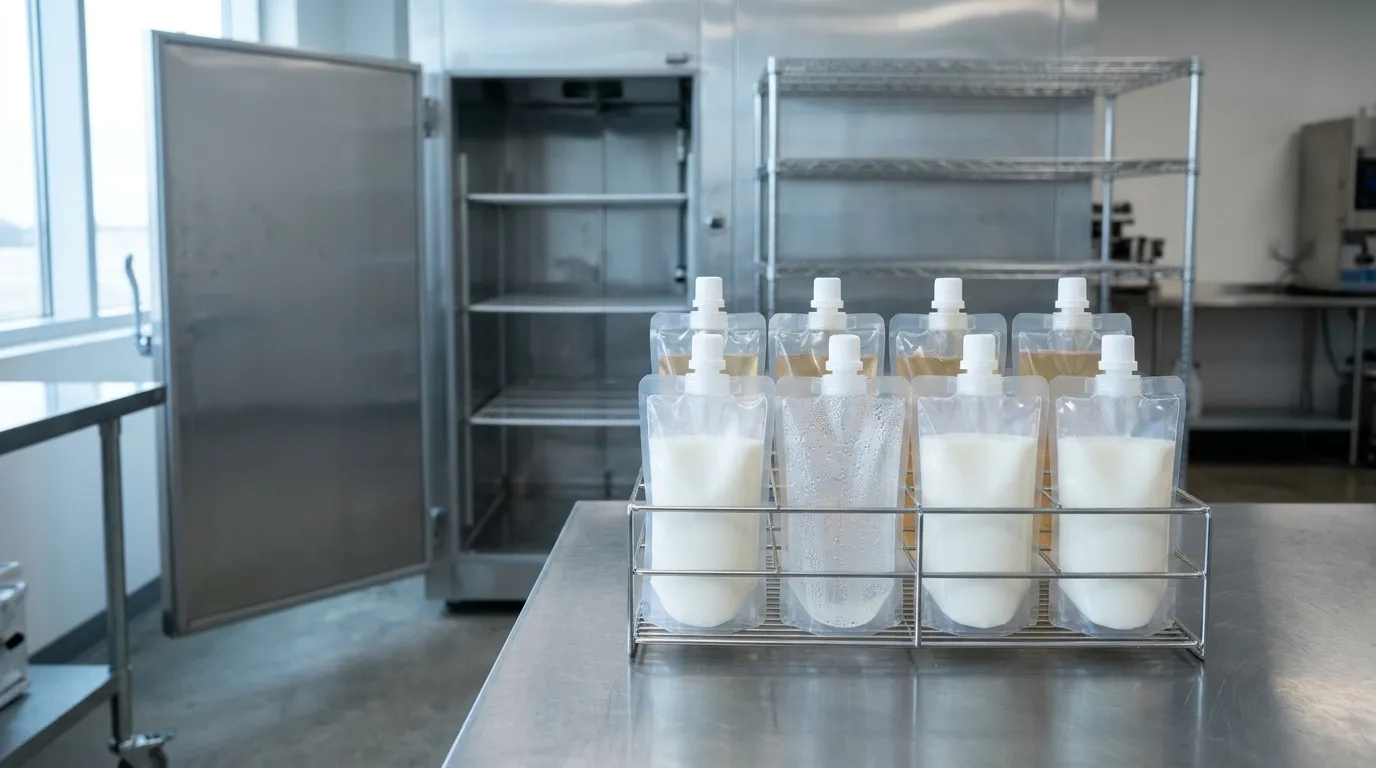
Packaging Compatibility vs Stability Testing
Compatibility testing asks whether product and pack interact; stability testing asks whether the pack holds over time. Design both for spouted pouches.
Read guide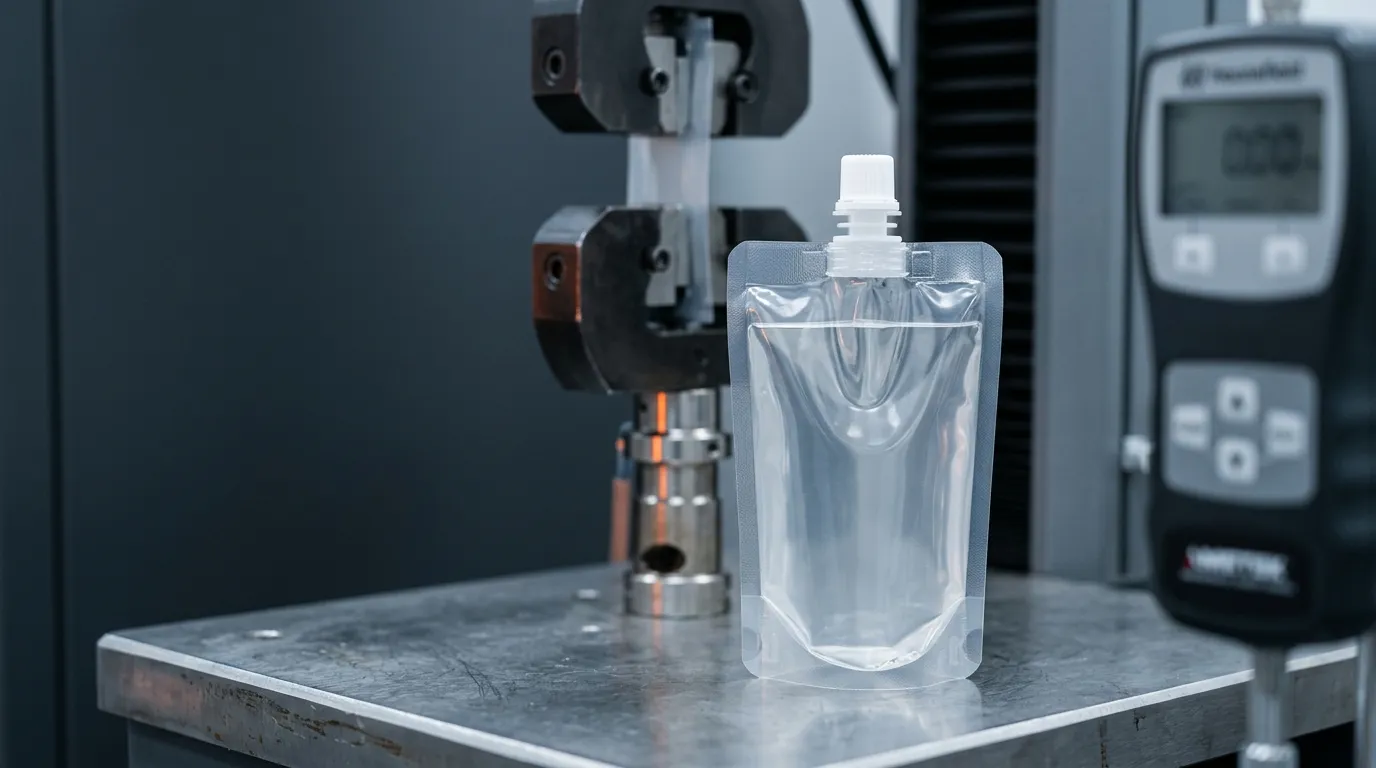
Seal Strength vs Seal Integrity in Pouches
Seal strength is the force it takes to peel a seal; seal integrity is the absence of a leak path. Spec both on a spouted pouch — and retire the 1 lbf/in rule.
Read guide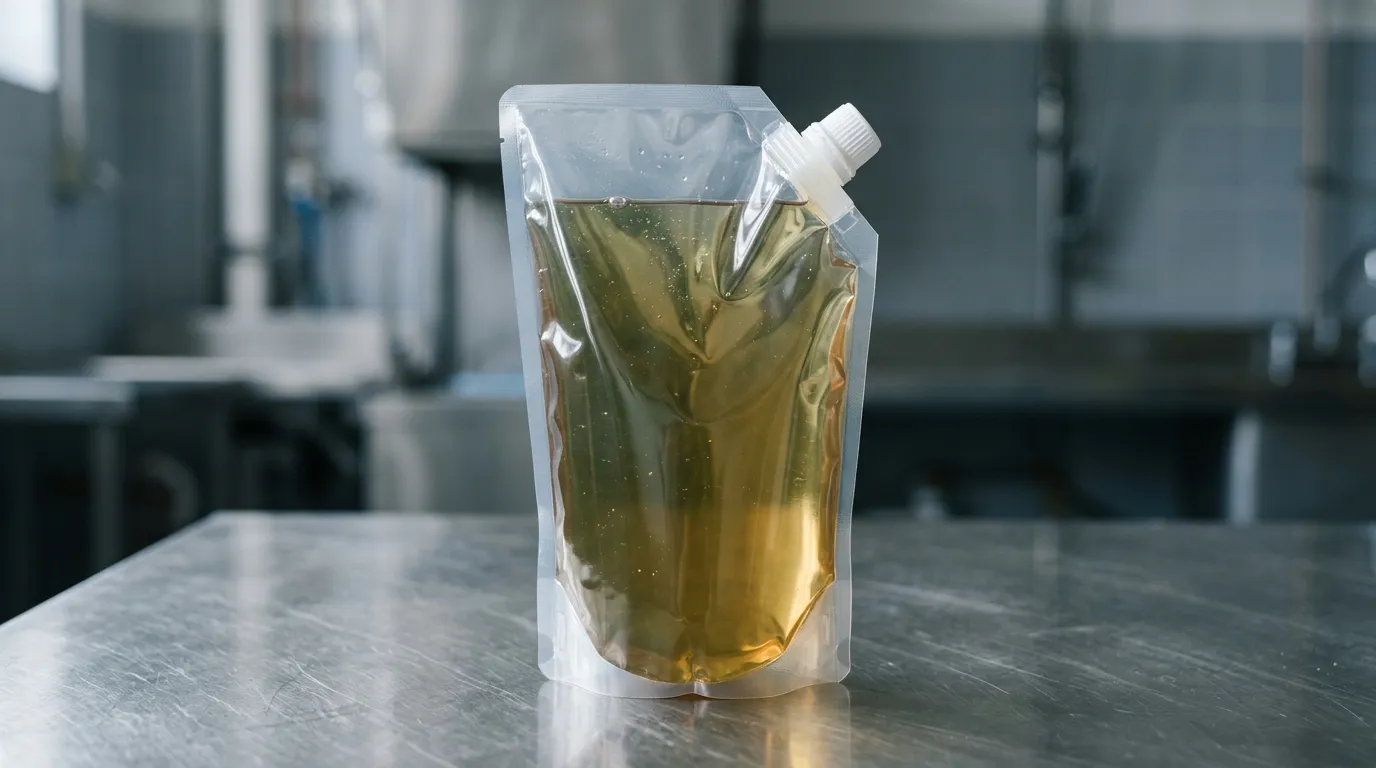
Dishwashing Liquid Refill Pouch Test Plan
A bench test plan for dishwashing liquid refill pouch packaging: how to provoke foam, weigh the product residue, and judge pour control before you commit.
Read guide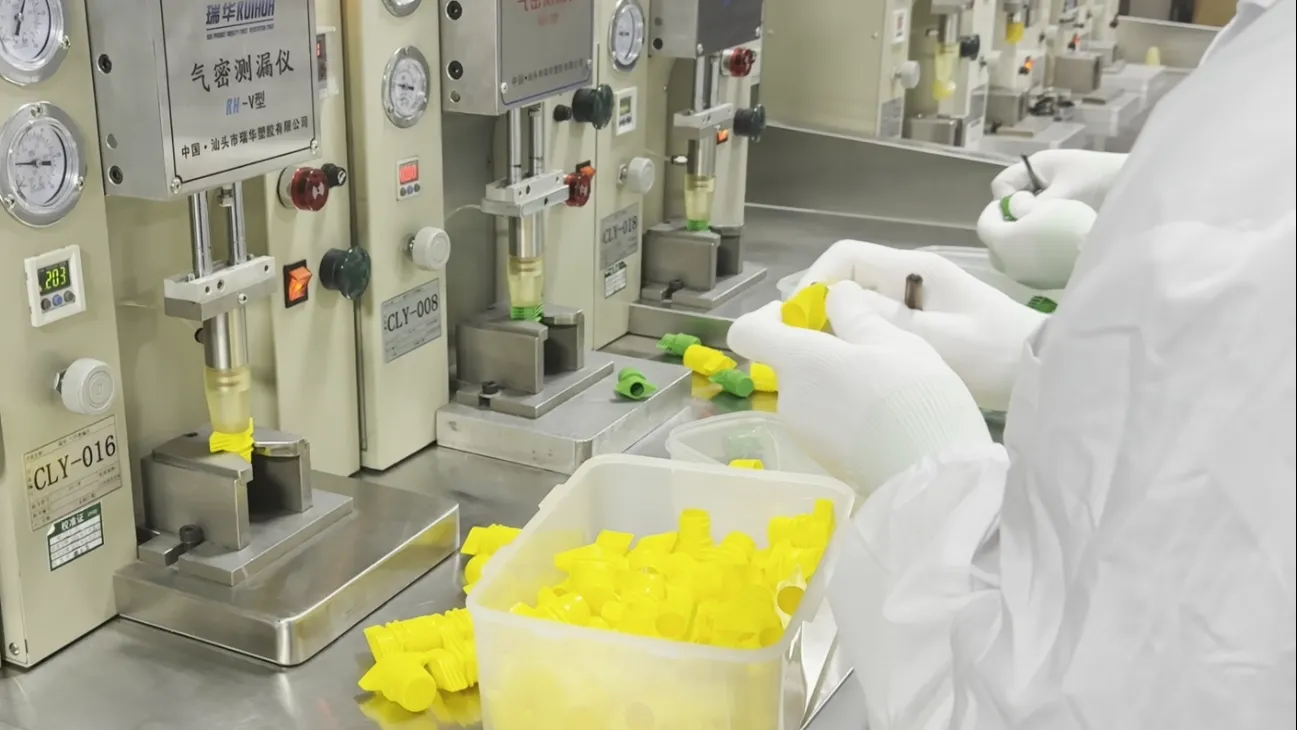
Pouch Leak Test Methods: Pick One per Stage
Non-sterile spouted pouches have no mandated leak test. Choose from five ASTM methods by the question you ask: closure, weld, filled pack, shipment, complaint.
Read guide
Accessible Refill Packaging: Planning a Pouch Cap User Study
Planning a pouch cap user study for accessible refill packaging: the three conditions to test, who to recruit, and a blank record sheet you can reuse.
Read guide
Multi-Site Packaging Specification Management
How to keep one pouch closure specification consistent across filling sites: the fields to lock, global-versus-site rules, and the evidence each site keeps.
Read guide
Spouted Pouch Development: Who Approves What?
A proposed three-party framework for spouted pouch projects: who confirms specs, artwork, samples, seals and bulk release, and what to record at each gate.
Read guide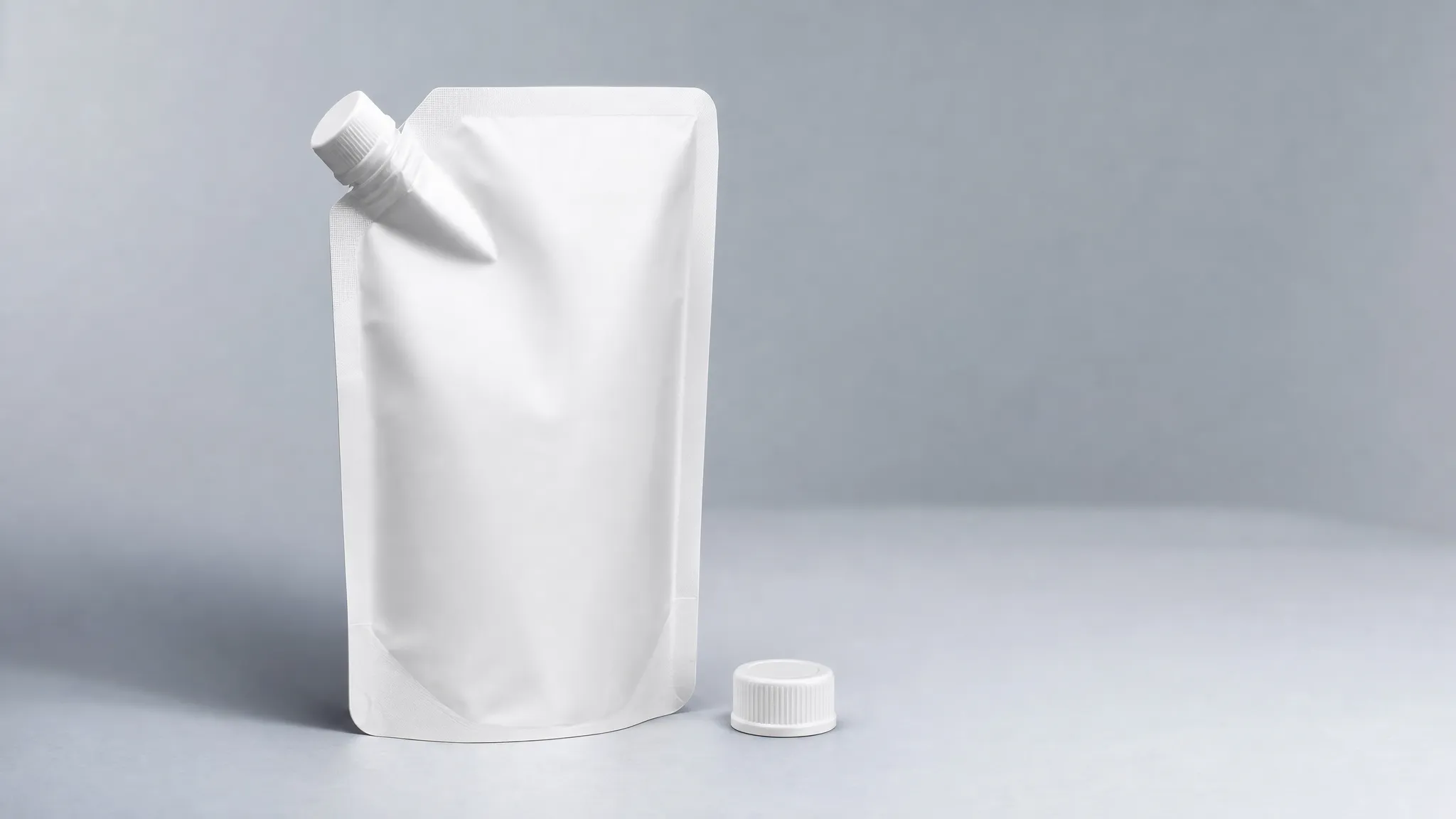
Center vs Corner Spout Pouch: How to Choose
Center vs corner spout on a stand-up pouch: what each position changes for pouring, filling and draining, plus the checks to run before you approve a doypack.
Read guide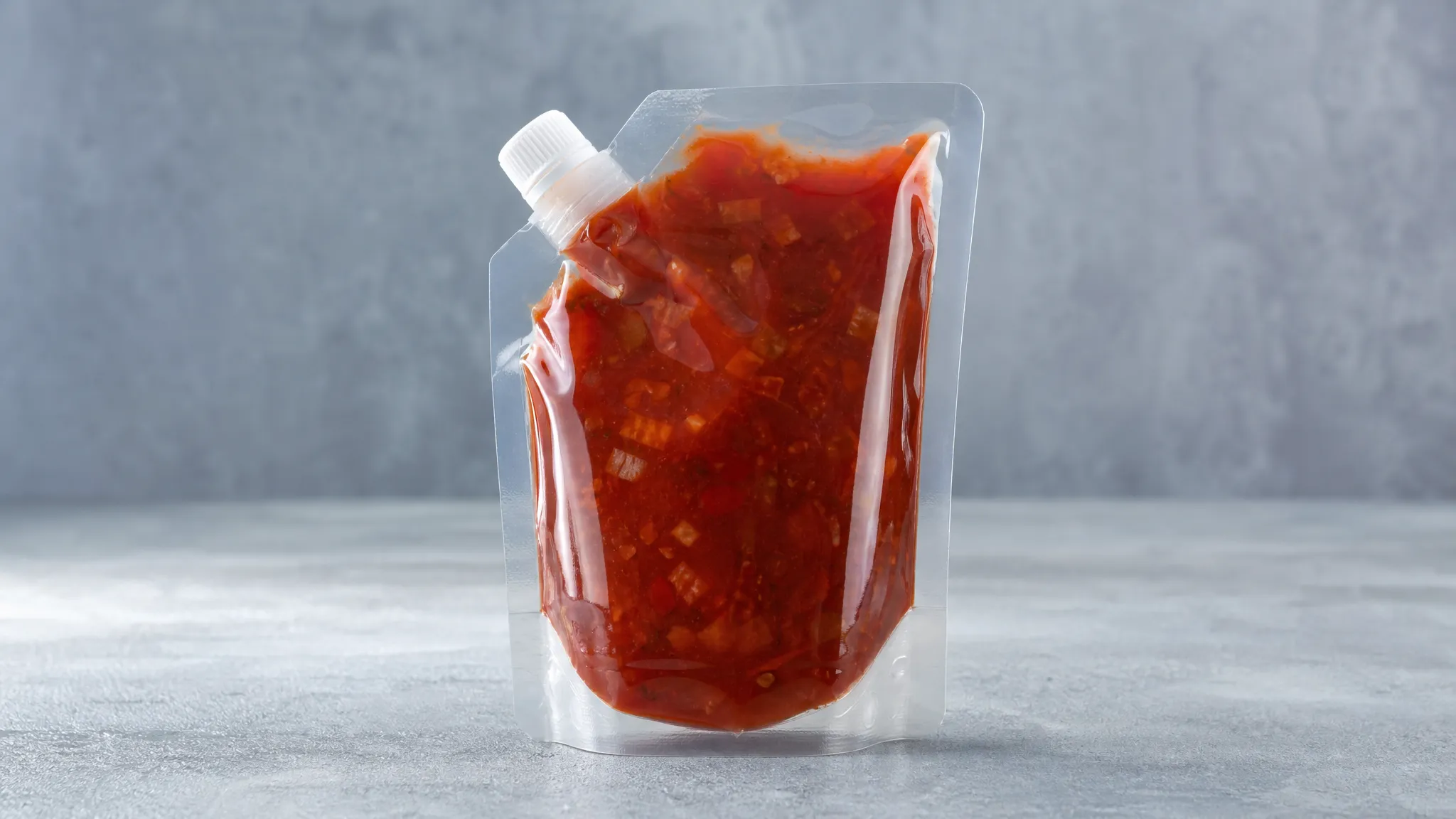
Spout for Sauce with Particulates: Test Guide
A spout for sauce with particulates is not approved by bore size alone. Characterise the particle, measure the real flow path, then test the actual pouch.
Read guide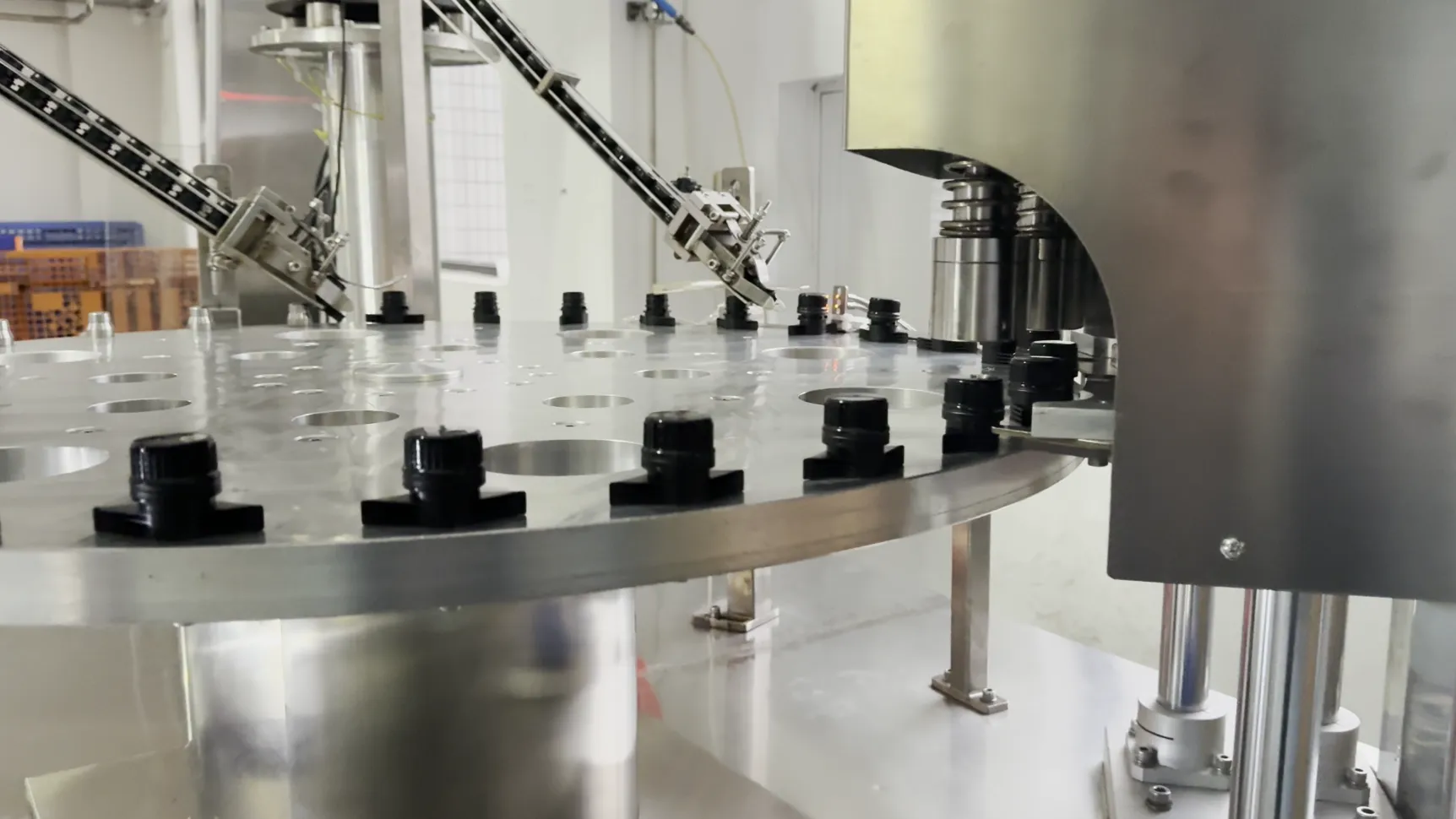
Spout Rails for Pouch Filling: What to Confirm Before Ordering
Spout rail compatibility is three fits: the neck to the rail channel, the pouch to the loading trail, and the rail to your machine. Confirm all three first.
Read guide
Choosing a Refill Pouch Spout for Bottles
Pouring a refill pouch into a bottle is a transfer task, not a sealing one. Here are the four checks that decide the pour, and the samples to test them on.
Read guide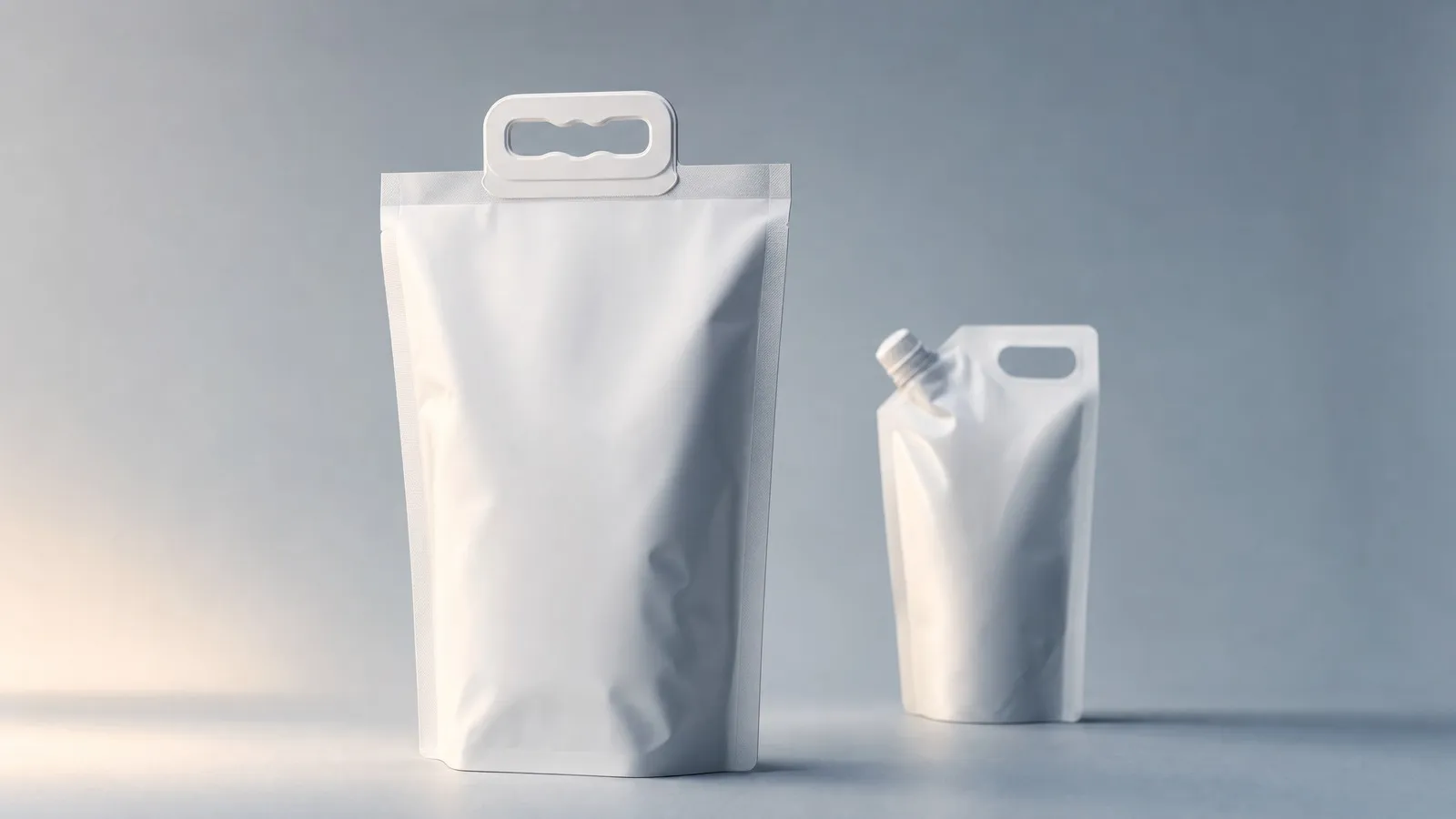
Molded vs Die-Cut Pouch Handles: How to Choose
Molded vs die-cut handles for flexible pouches: how load, film structure and the weld zone decide which carry handle your stand-up pouch should really have.
Read guide
Custom Spout Cap Color Matching, Explained
Custom spout cap color matching explained for pouch brands: how a Pantone reference becomes a resin-matched cap, what to sign off, and where the MOQ lands.
Read guide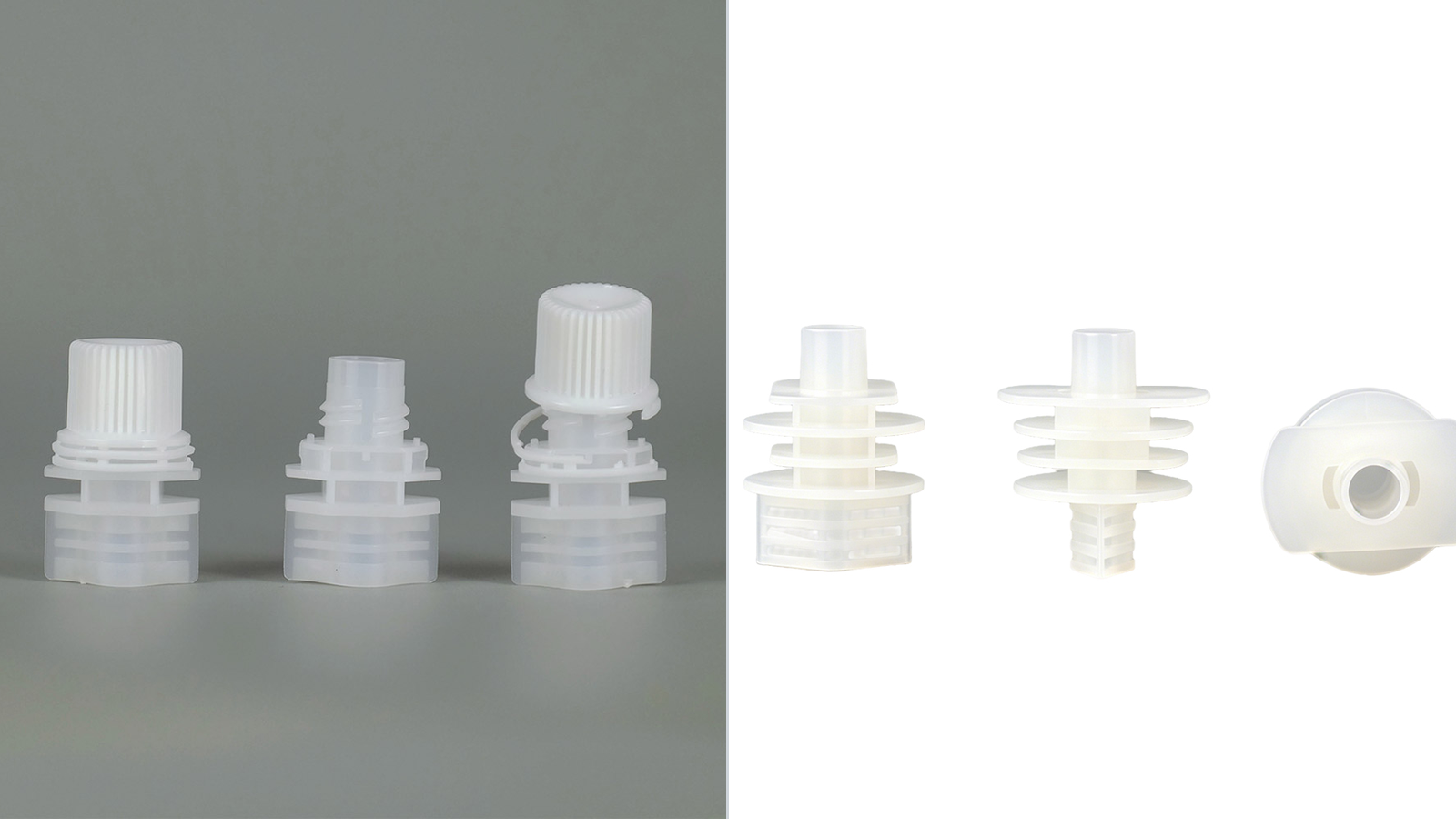
Pre-Assembled Spouts and Caps or Separate Components: What to Specify in Your Order
Pre-assembled spouts and caps or separate components: a buyer checklist for the supply state, packout and matched-set identification to write on your PO.
Read guide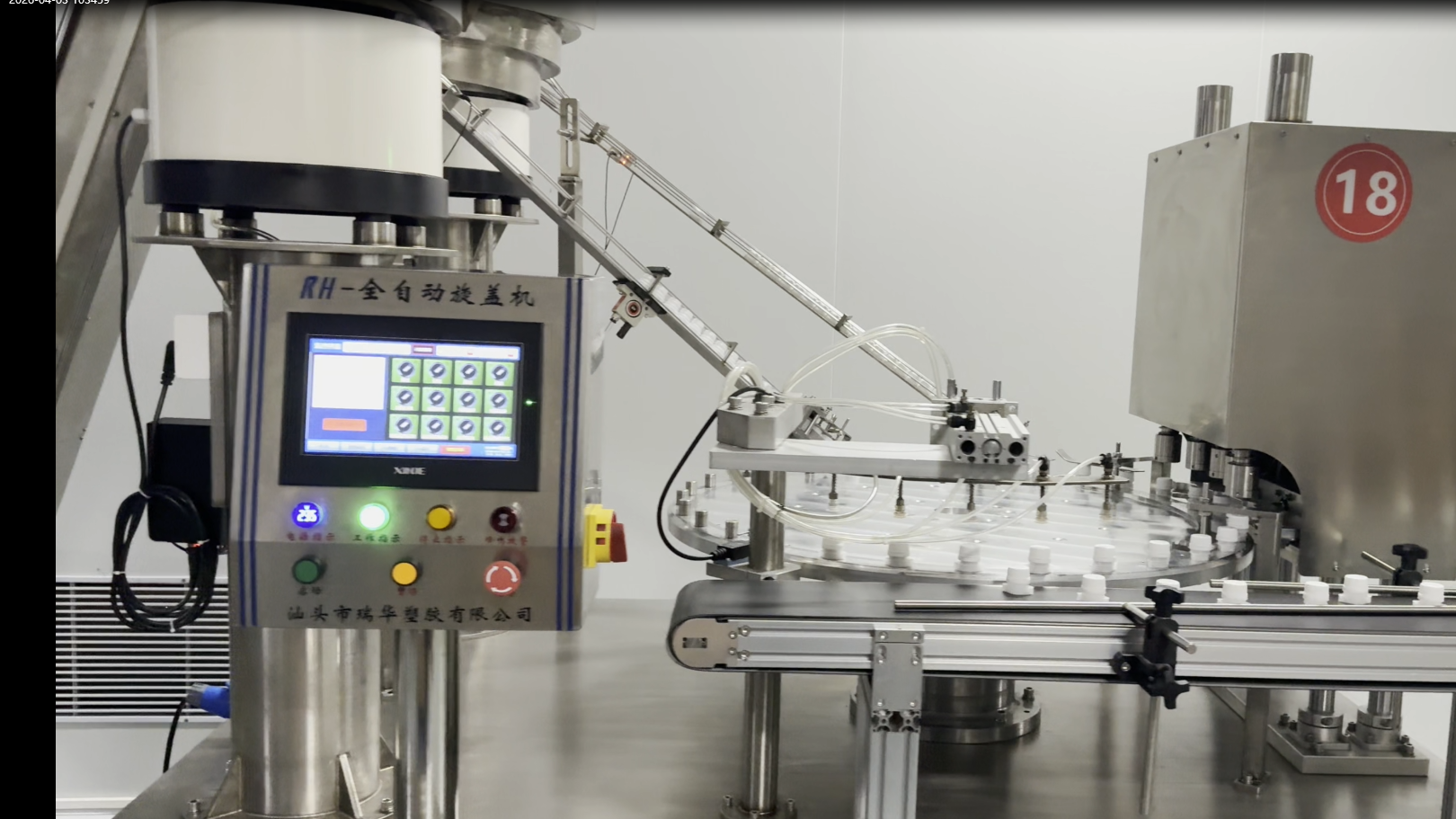
Spout Cap Factory Audit: Buyer's Checklist
A spout cap factory audit is only as good as its evidence trail. Here are the questions to ask, the documents to demand, and how to score the answers.
Read guide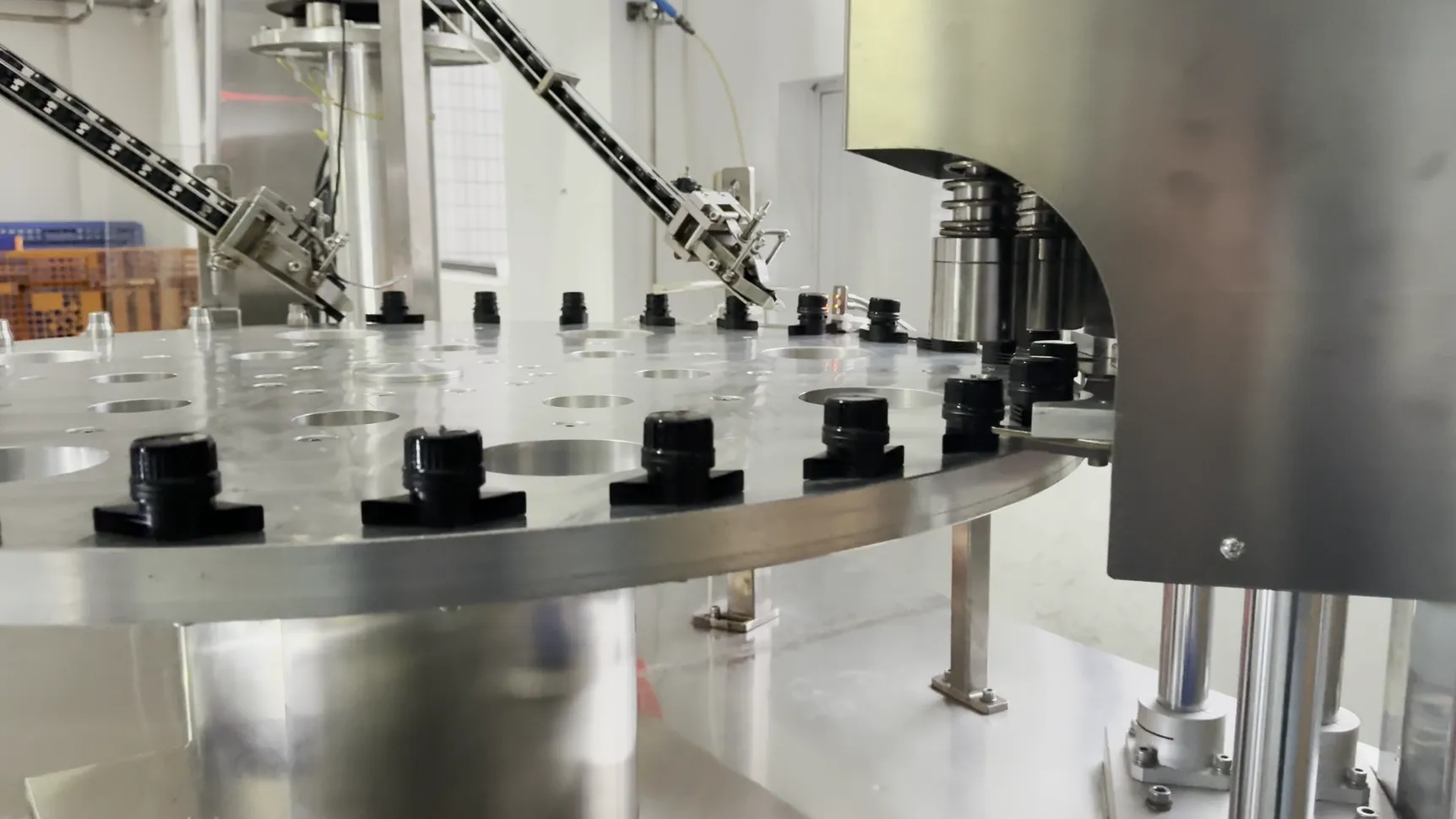
Refill Pouch Closures: What Repeated Opening Does to the Seal
Repeated opening wears a refill pouch closure at three separate interfaces: thread, seal and fitment weld. Here is what changes, and how to write the test.
Read guide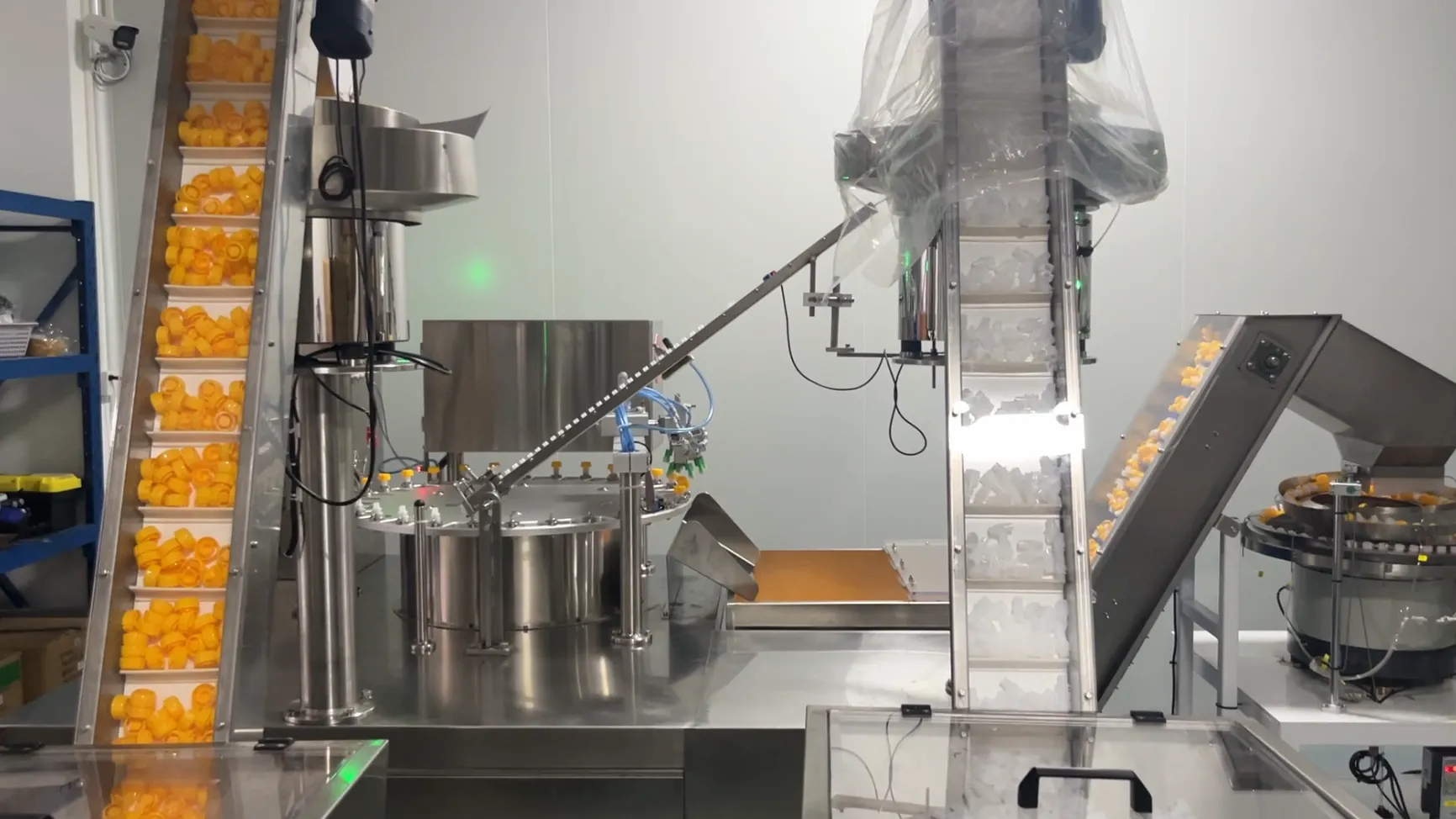
Spout Misalignment on the Filling Line: Causes and Fixes
Pouch spout alignment is a placement question: the fitment, its presentation, the pouch or the closing stroke. Measure the displacement, fix the right link.
Read guide
PPWR Fitment Project Brief: 7 Inputs to Confirm Before You Cut a Mold
Seven inputs to freeze before you cut a spout cap mold: polymer family, closure architecture, weld window, material markings, drawings and change control.
Read guide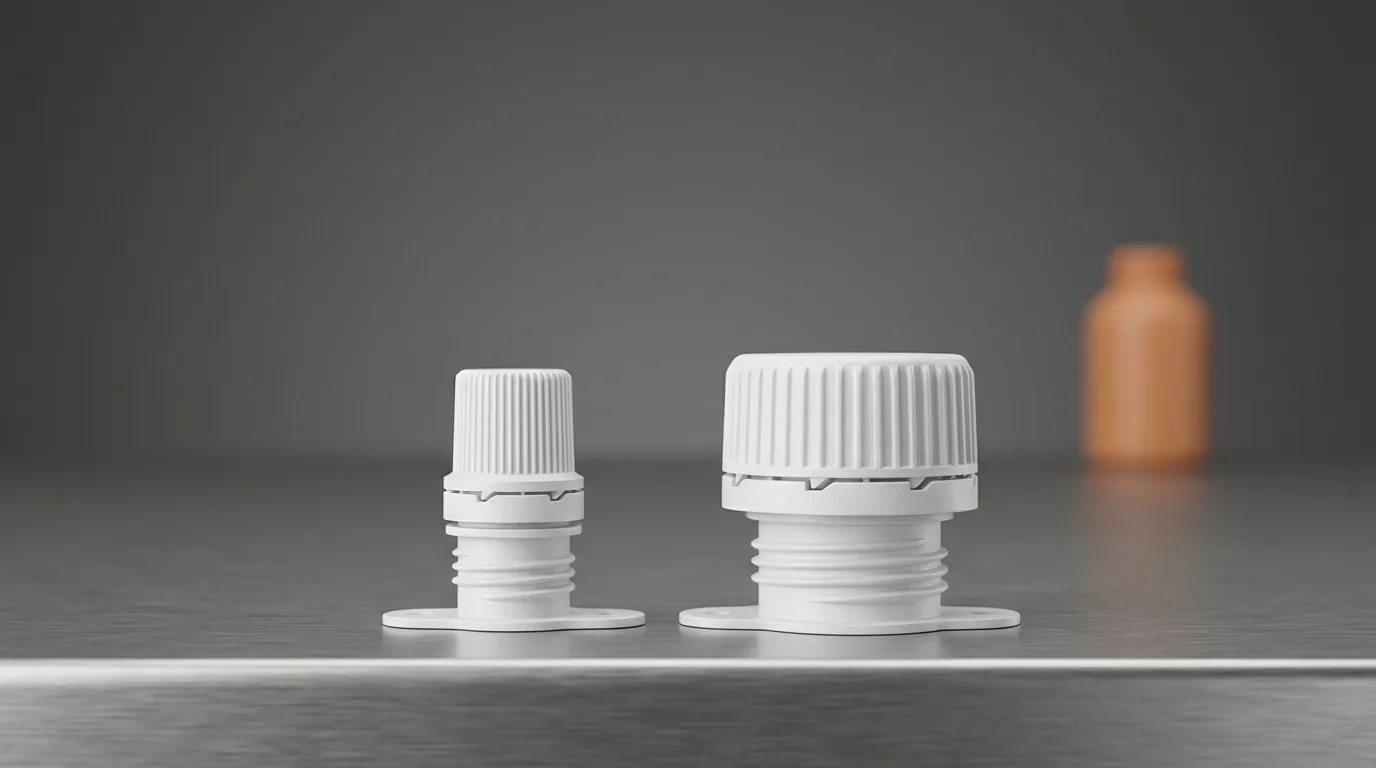
Changeover Between Spout Sizes: What Slows the Line Down
A spout pouch filling line changeover is set by how much two spout sizes share, not by the millimetres between them: what swaps, what re-sets, and why.
Read guide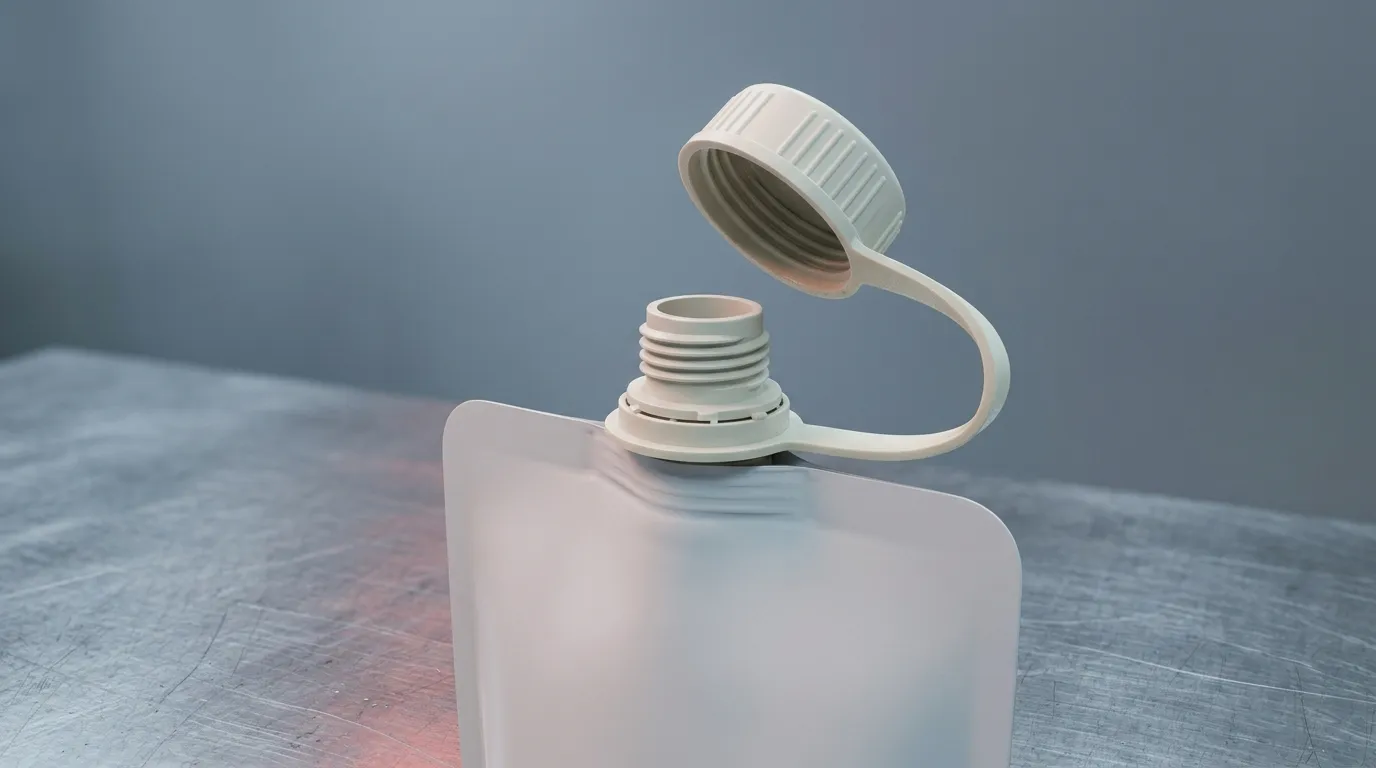
From Detachable to Tethered: A Spouted Beverage Pouch Retrofit Checklist
A tethered cap retrofit touches four interfaces, not one: cap geometry, the spout weld, your line and the evidence chain. Seven-step checklist for packers.
Read guide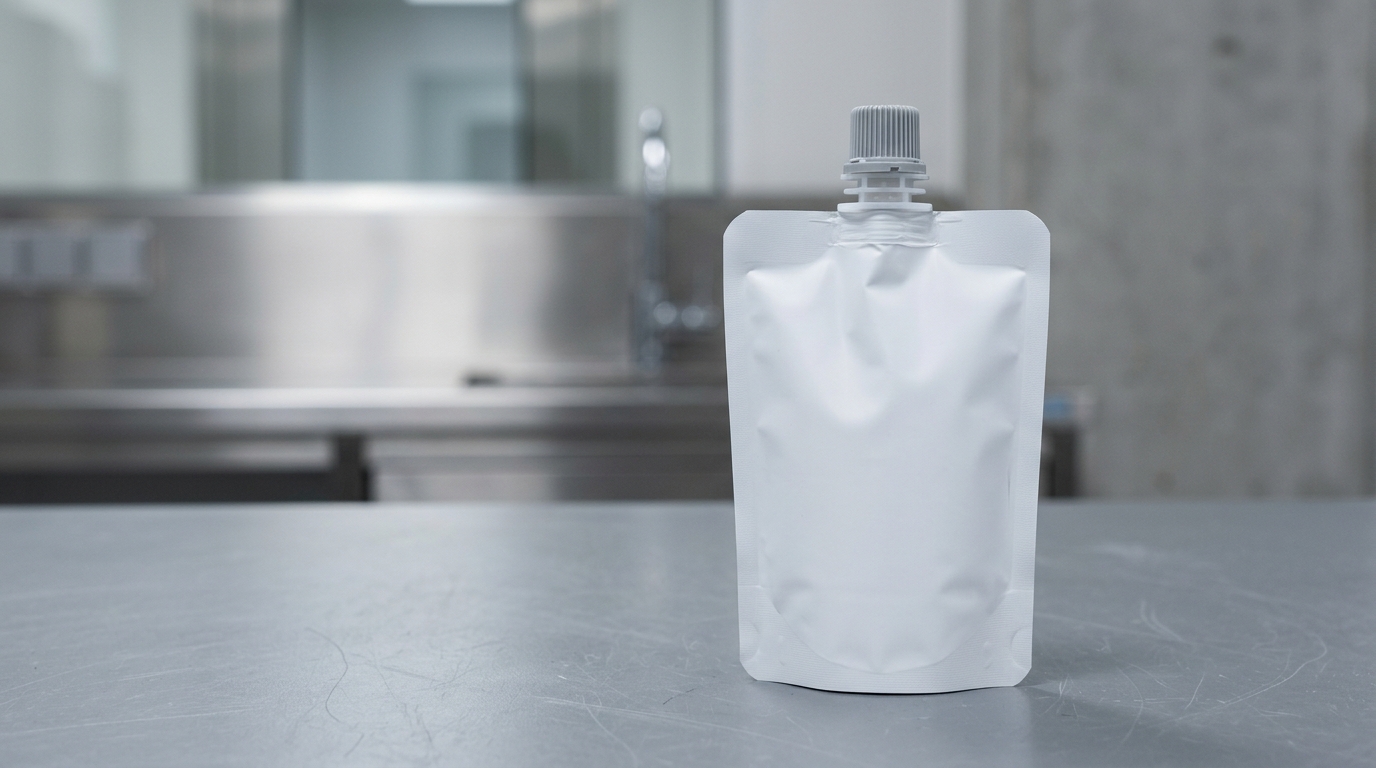
Medical Pouch Spout Cap Guide for Oral Liquid
Choosing a medical pouch spout cap starts with bore and closure, then with the documents behind it. What to specify for oral liquid and pharma pouches.
Read guide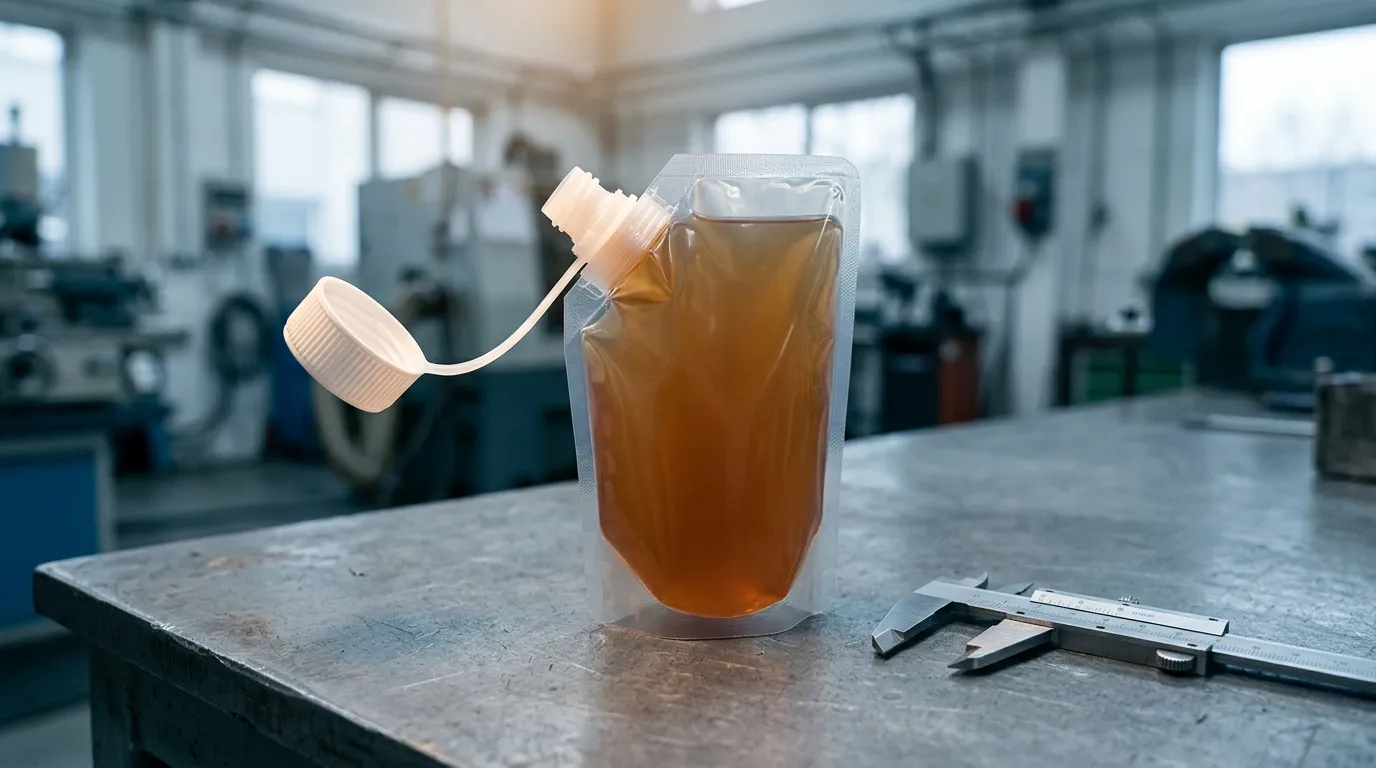
Choosing a Tethered Cap for a Spout Pouch
How to specify an EU tethered spout cap: what EN 17665:2022+A1:2023 tests, stop-lug vs strap retention, the weld window, and the paperwork to collect.
Read guide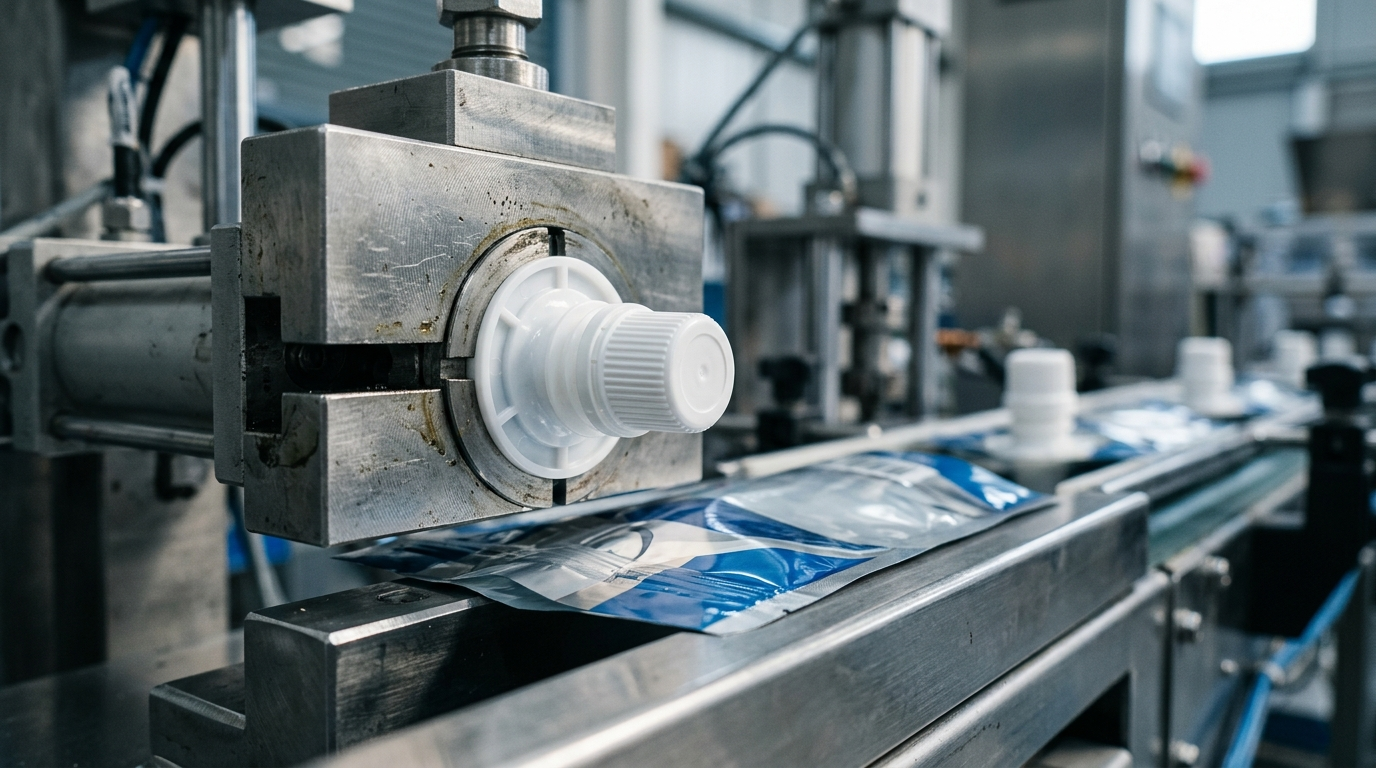
Will These Spouts Run on My Existing Sealing Machine?
Pouch sealing machine compatibility is five interfaces between a spout fitment and the stand-up pouch line you run. Check all five before you place an order.
Read guide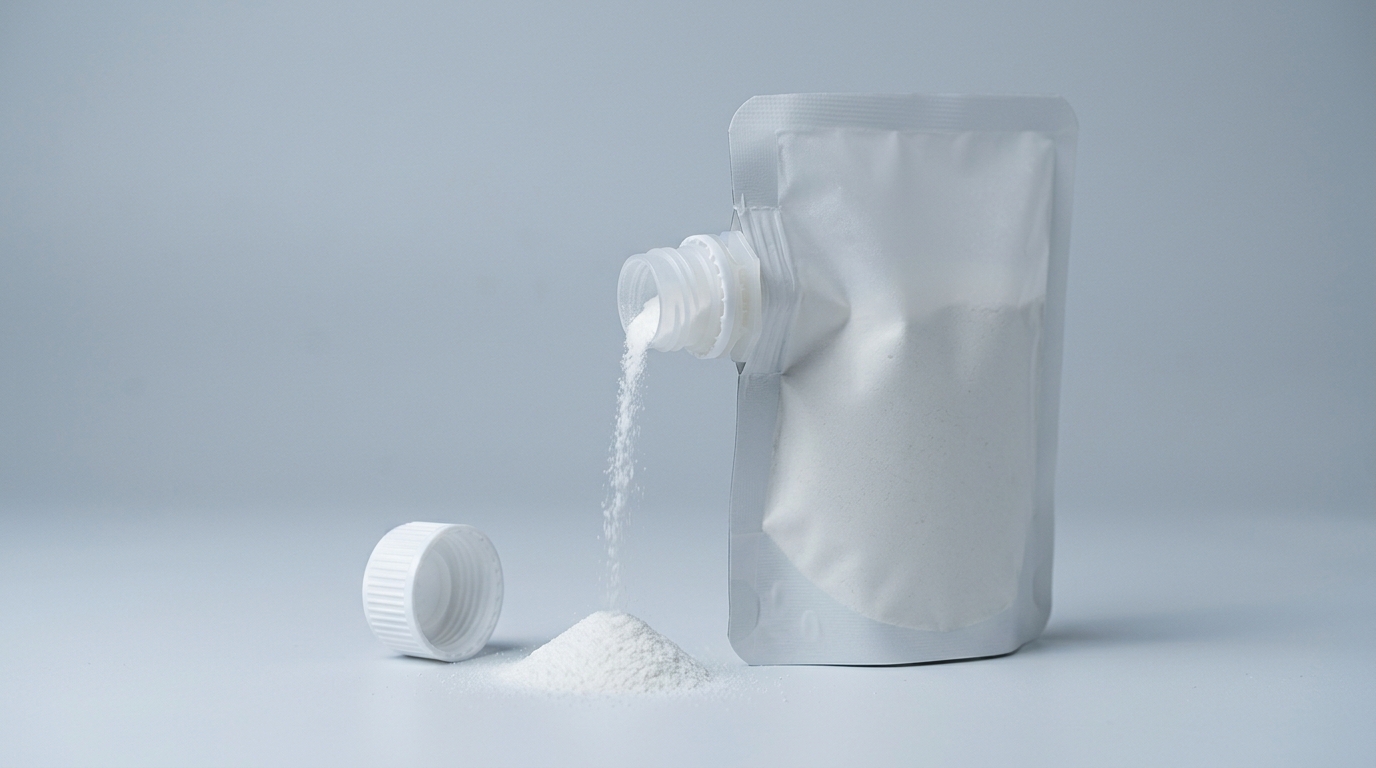
Powder Pouch Spouts: Bore & Anti-Clog Design
How to specify a powder pouch spout for stand-up pouches and doypacks: bore size for powder flow, anti-bridging bore geometry, venting, caking and seal fit.
Read guide
3D-Printed Pouch Closure Prototypes to Test
A 3D-printed pouch closure prototype buys information before you pay for steel: what it can prove about fitment, feel and seals, and the five things it cannot.
Read guide
Tamper-Evident vs Child-Resistant Spout Caps
Tamper-evident and child-resistant closures stop two different failures: one shows a pouch has been opened, one slows a child. What the rules actually require.
Read guide
PPWR PFAS & Heavy Metals: What Tests Prove
PPWR PFAS and heavy-metal limits for food-contact packaging apply from 12 August 2026. What a fluorine or metal test proves, and four things it does not.
Read guide
MOQ After Custom Tooling: Stock or New Mold?
Once we build your custom tooling, no production MOQ applies — supply follows your orders. The real call comes before the mold: is a dedicated mold worth it?
Read guide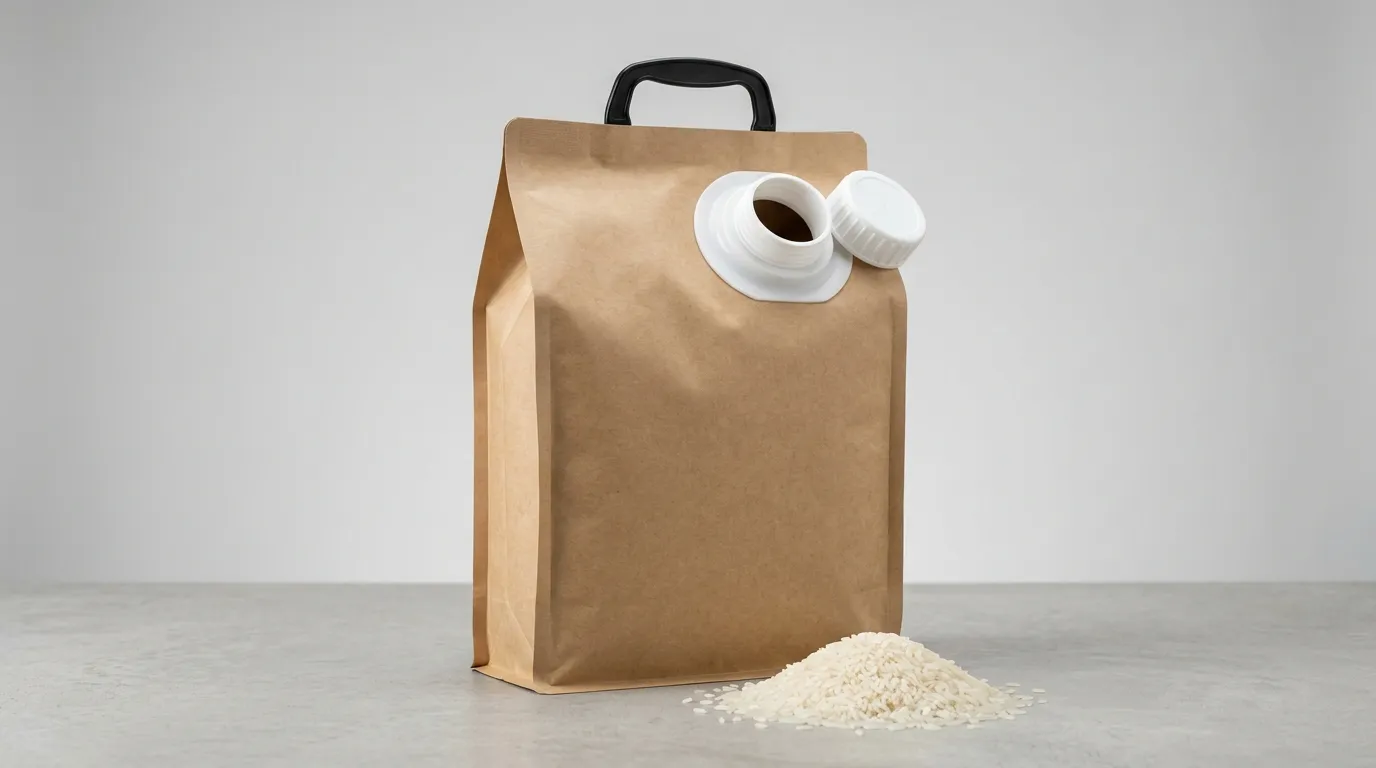
Large-Bore Spouts and Handles for Grain
How to choose the large-bore spout cap and handle for rice, pet food and grain stand-up pouches: granule size sets bore, film sets seal, weight sets handle.
Read guide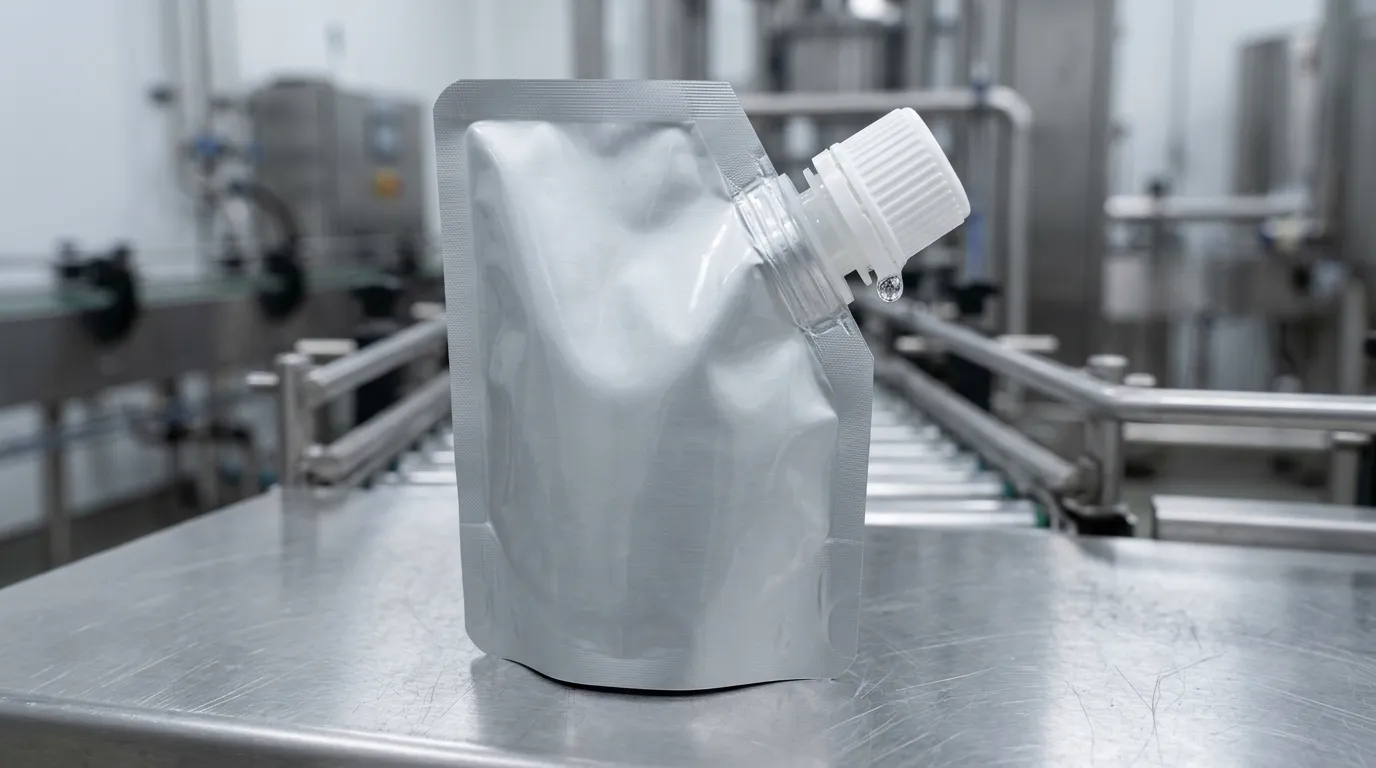
Why a Pouch Spout Leaks After Filling
Leaking spout pouches usually trace to five faults: mismatched threads, wrong torque, a cold weld, resin mismatch, or contamination. Confirm and fix each one.
Read guide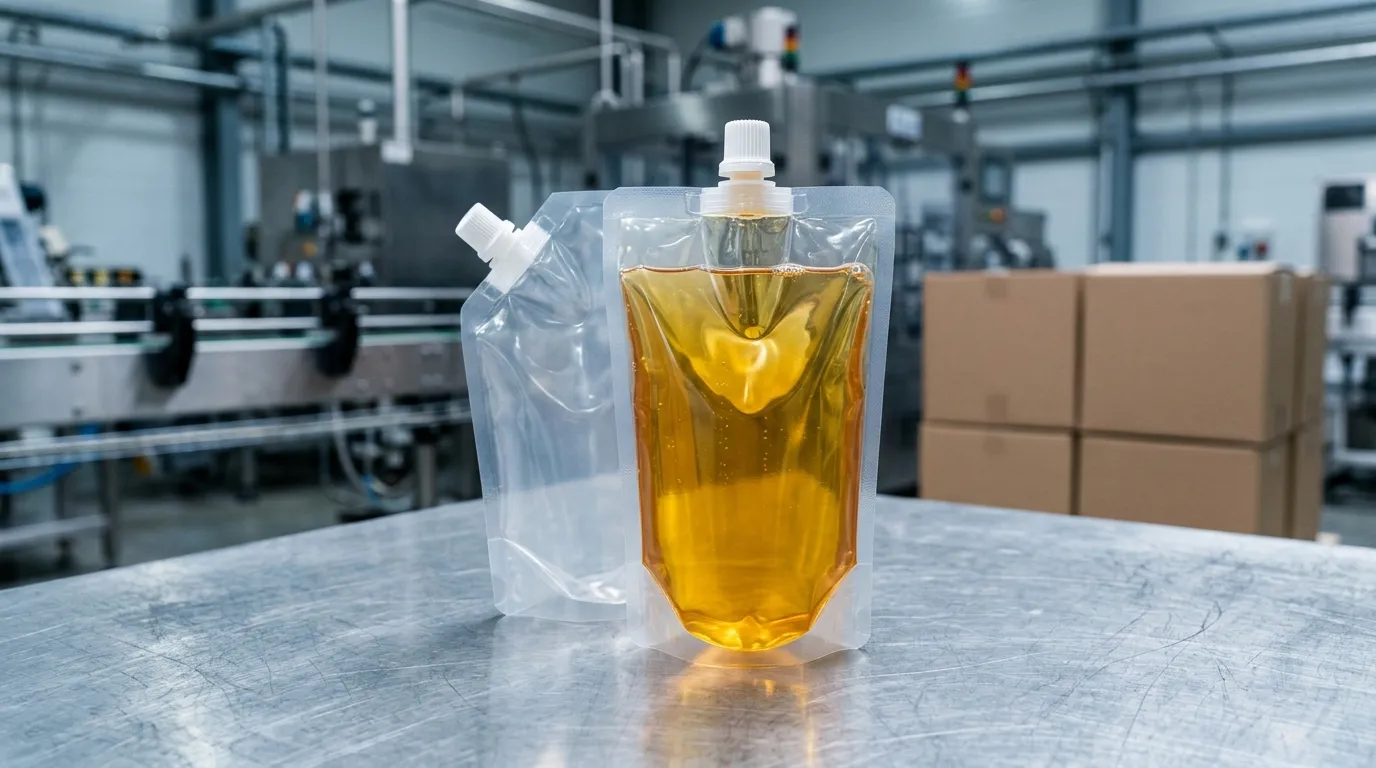
PPWR Timeline for Spouted Pouches to 2038
PPWR dates for spouted pouches, checked against the regulation text: substance limits, the declaration file, 2030 grades, the 2035 test and the 2038 cut-off.
Read guide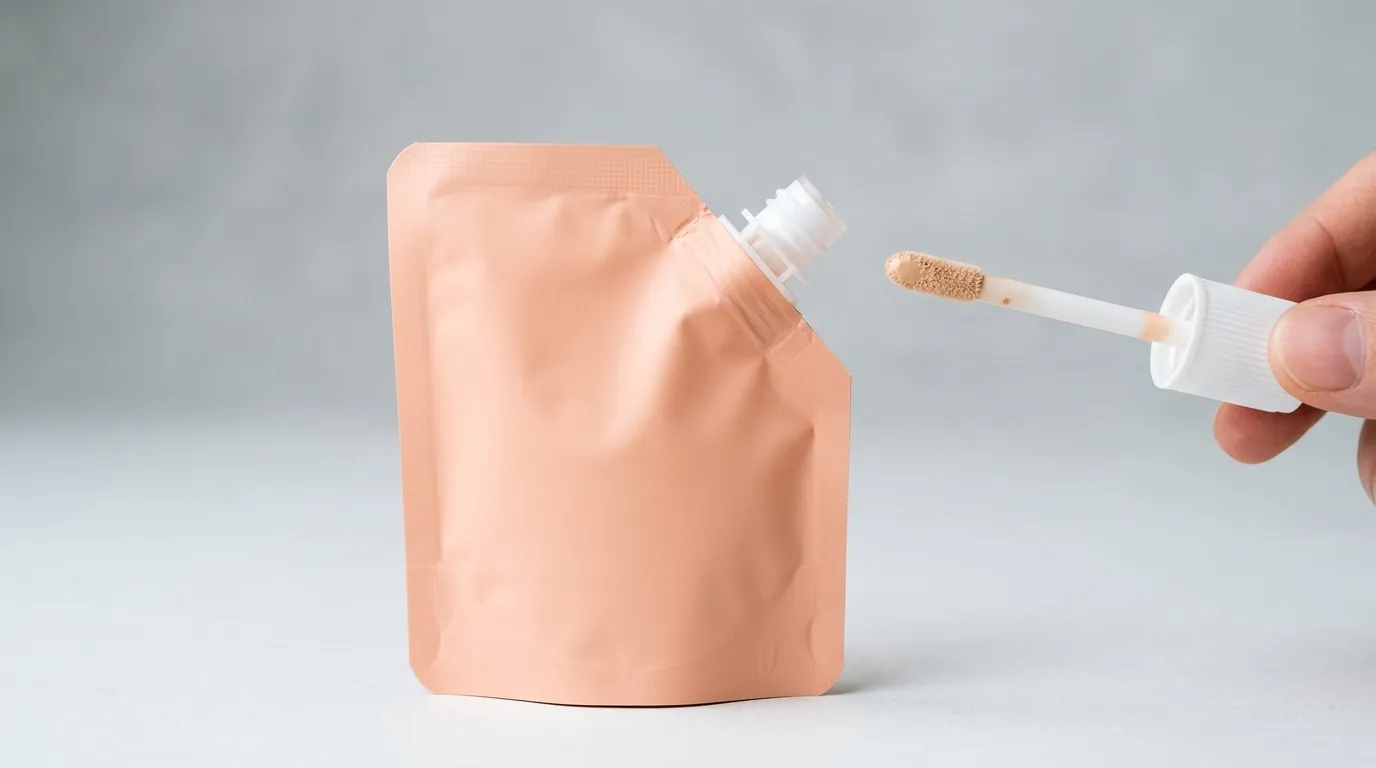
Cosmetic Brush Cap Pouch for Sample Packs
Cosmetic brush cap pouch: the applicator lives in the cap, so lip gloss, mascara and eyeliner sample packs need one fewer component to source, fill and seal.
Read guide
In-House Mold Shop vs Outsourced Tooling
In-house mold shop vs outsourced tooling for custom spout caps: where lead time really goes, why trial rounds matter, and what to ask before you commit.
Read guide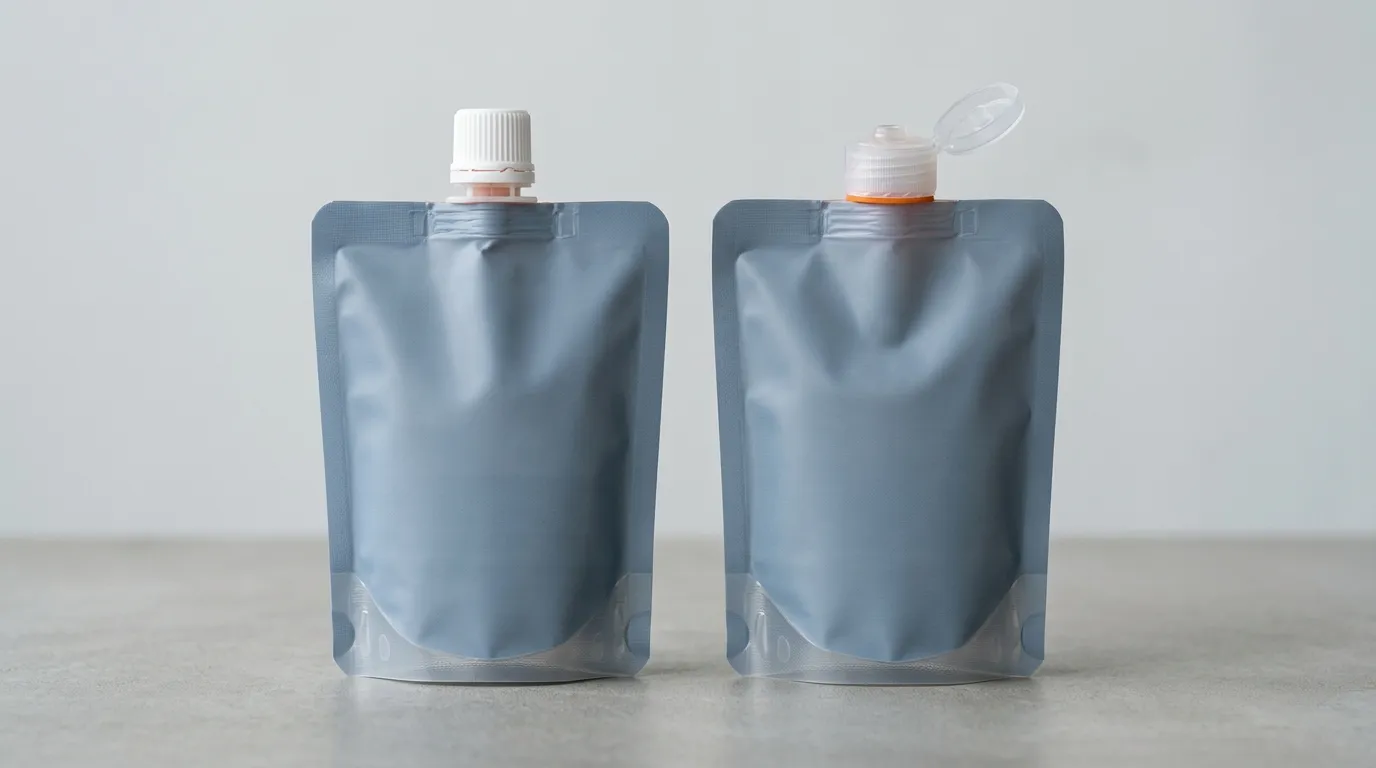
PP vs PE Spout Caps: Match to Your Pouch Film
PP vs PE spout caps: match the resin to your pouch film. PP handles hot-fill and retort; PE seals at low temperature and keeps mono-material pouches recyclable.
Read guide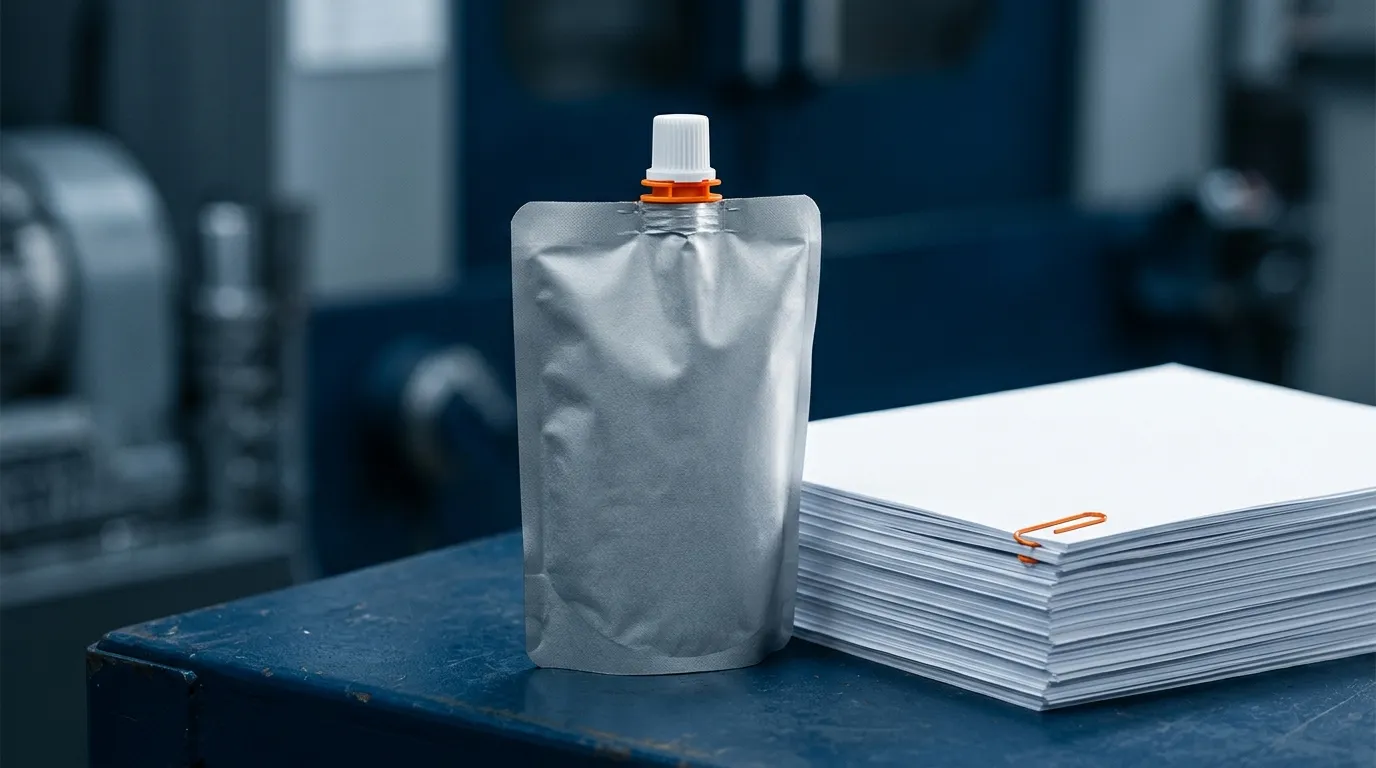
PPWR Declaration of Conformity for Spout Pouches: A Component Documentation Checklist
What a PPWR declaration of conformity must contain for a spout pouch: the Annex VII technical documentation and the component evidence to collect.
Read guide
Custom Cap Shape Design: Whale-Tail & Square
Whale-tail, square-flower, cloud, hex-ball and leaf: custom spout cap shapes are real. What is moldable, what drives the mold, and how to brief a supplier.
Read guide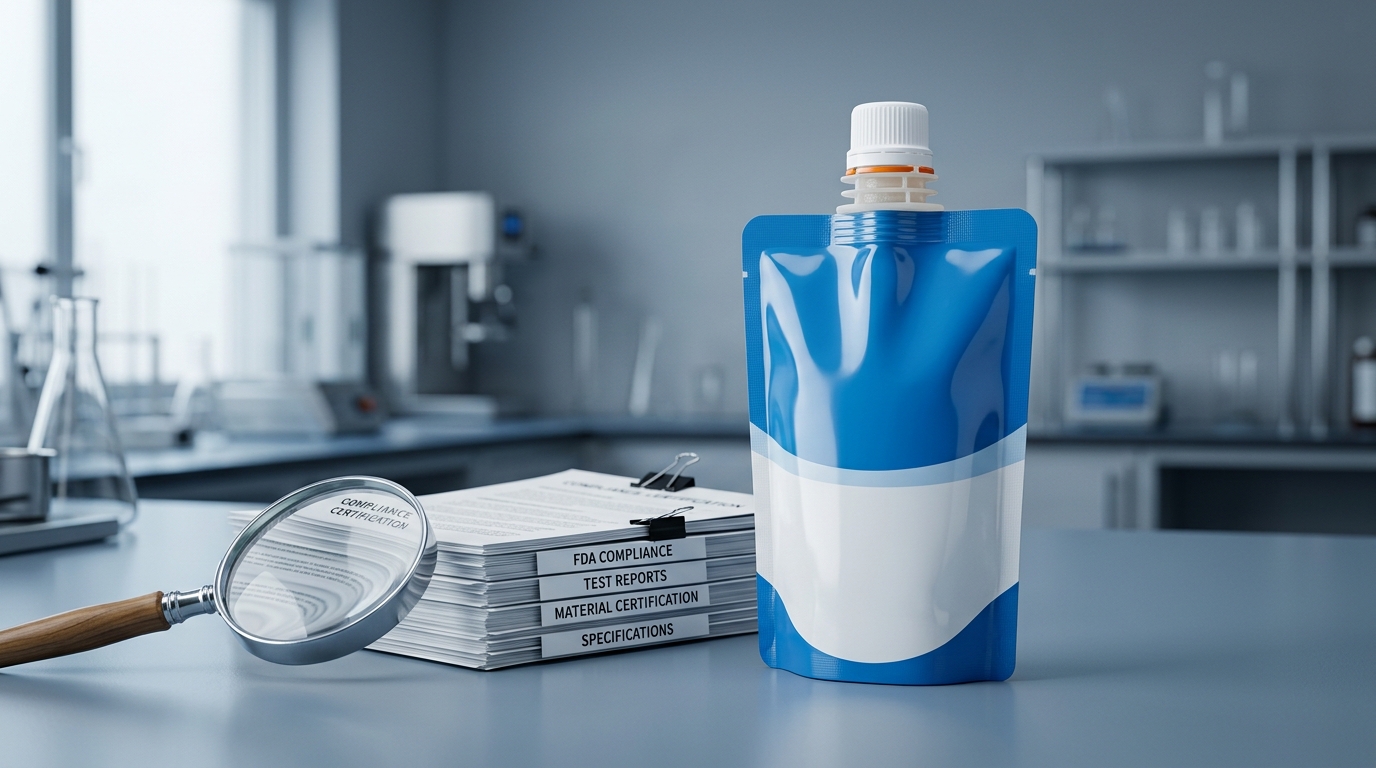
FDA vs EU 1935/2004 vs GB 4806.7: Pouch Closure Certificates
Compare FDA 21 CFR, EU 1935/2004 and EU 10/2011, and China GB 4806.7 food-contact rules for pouch spout caps: what each certificate proves and how to verify it.
Read guide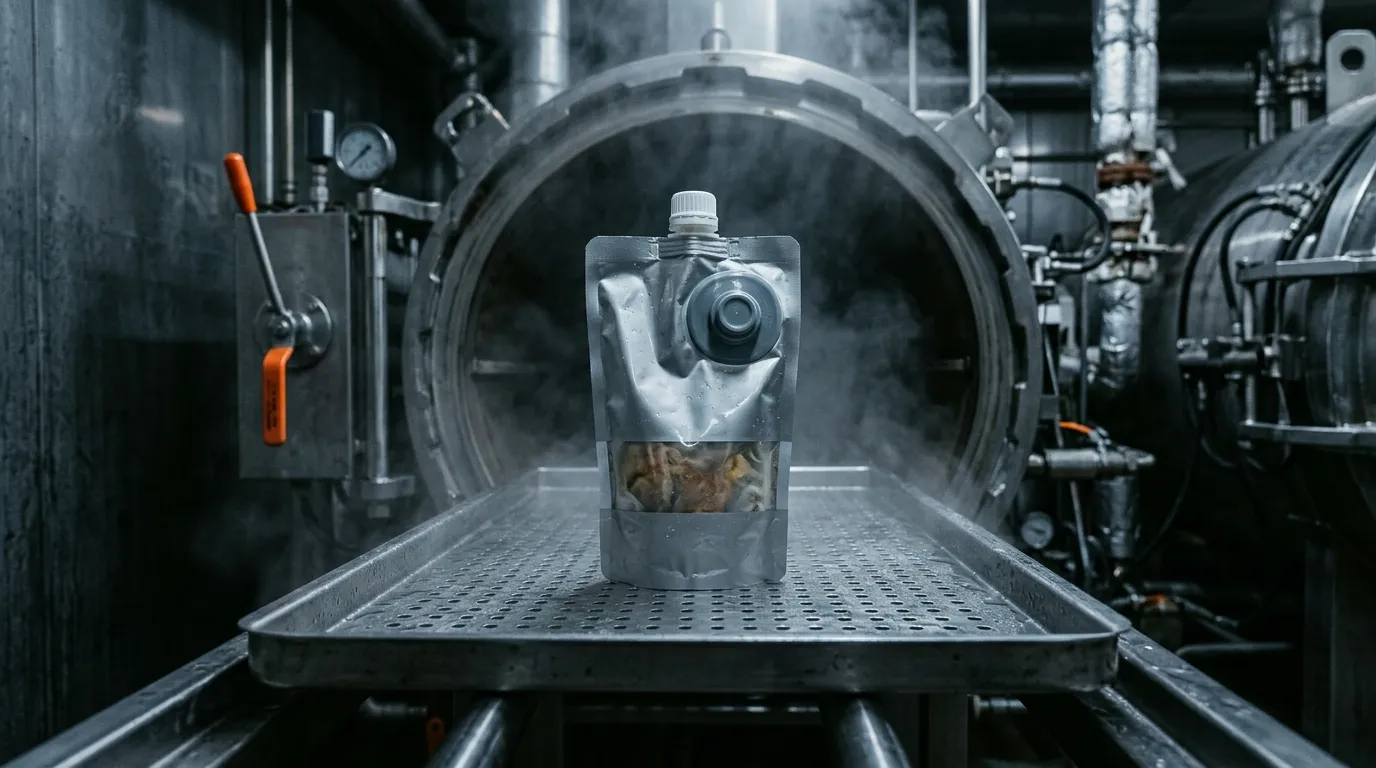
Retort Pouch Spouts: Surviving 121°C Without Deforming
Retort pouch spouts must hold geometry at 121 °C. Learn why PP beats PE, how wall, thread, and weld design resist deformation, and how to validate a closure.
Read guide
Can I Mix Models in One Order? MOQ Rules
Ordering different spout cap models together? Yes, you can mix models in one order. Stock items have no MOQ; custom colors and tooling follow separate rules.
Read guide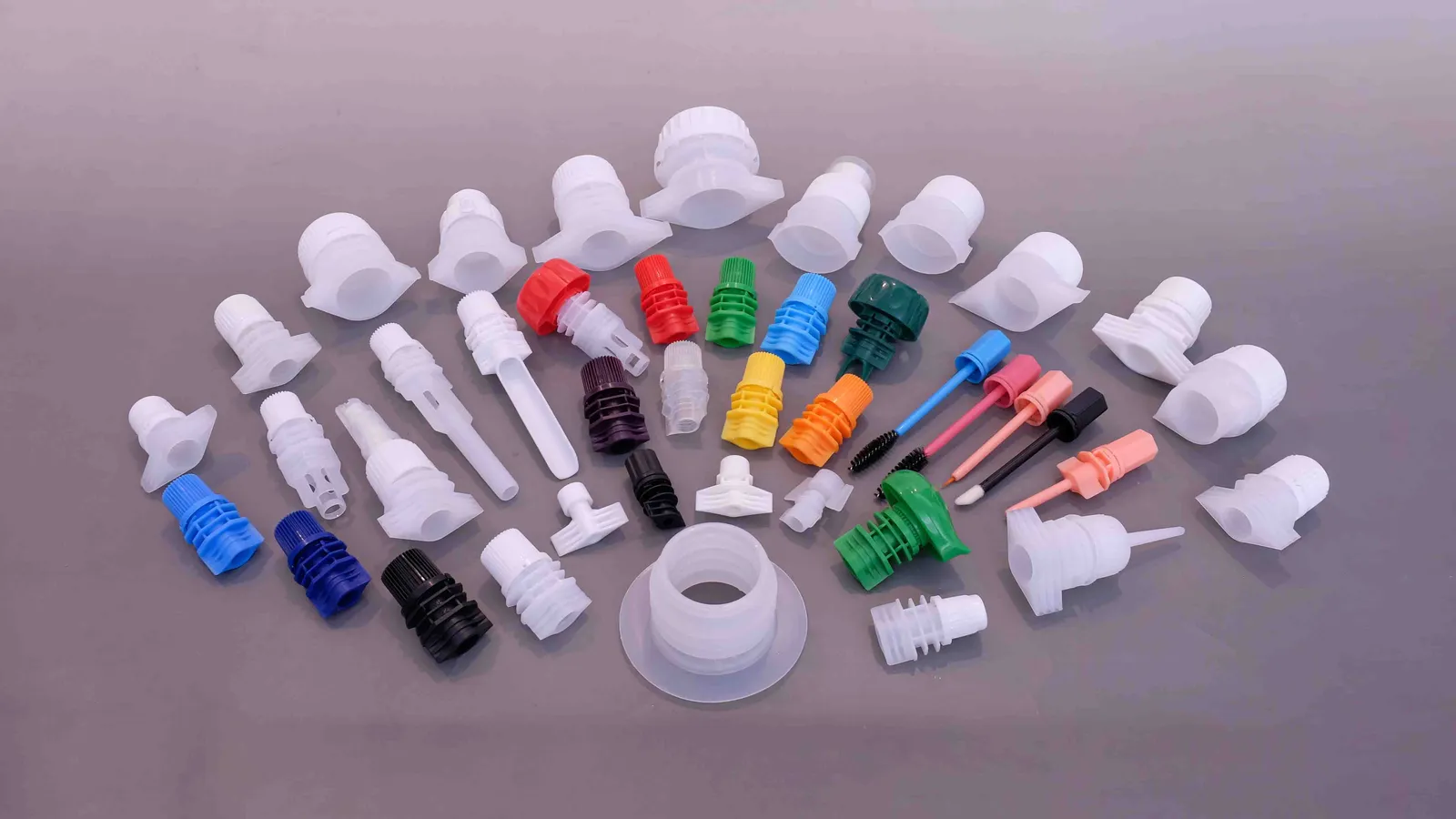
Spout Cap Specifications: RFQ Checklist
Spout cap specifications become quotable with six lines: pouch film, fill conditions, inner diameter and cap style, quantities, market, and validation needed.
Read guide
Stock vs Made-to-Order Spout Caps: Which Ships Fastest
Stock spout caps ship fastest, ready from inventory in any quantity. Made-to-order buys custom diameters, colors and closures. Compare MOQ, cost, lead time.
Read guide
Custom Spout Cap Production Process
How a custom spout cap gets made: five stages — design and DFM, mold tooling, trial shots, mass production and pouch sealing — and what to prepare first.
Read guide
What Spout Fits a Mono-Material PE Pouch?
A PE spout can fit a mono-material PE pouch, but whole-pack recyclability needs validation. This guide covers fitment, sealing window, size, and compliance.
Read guide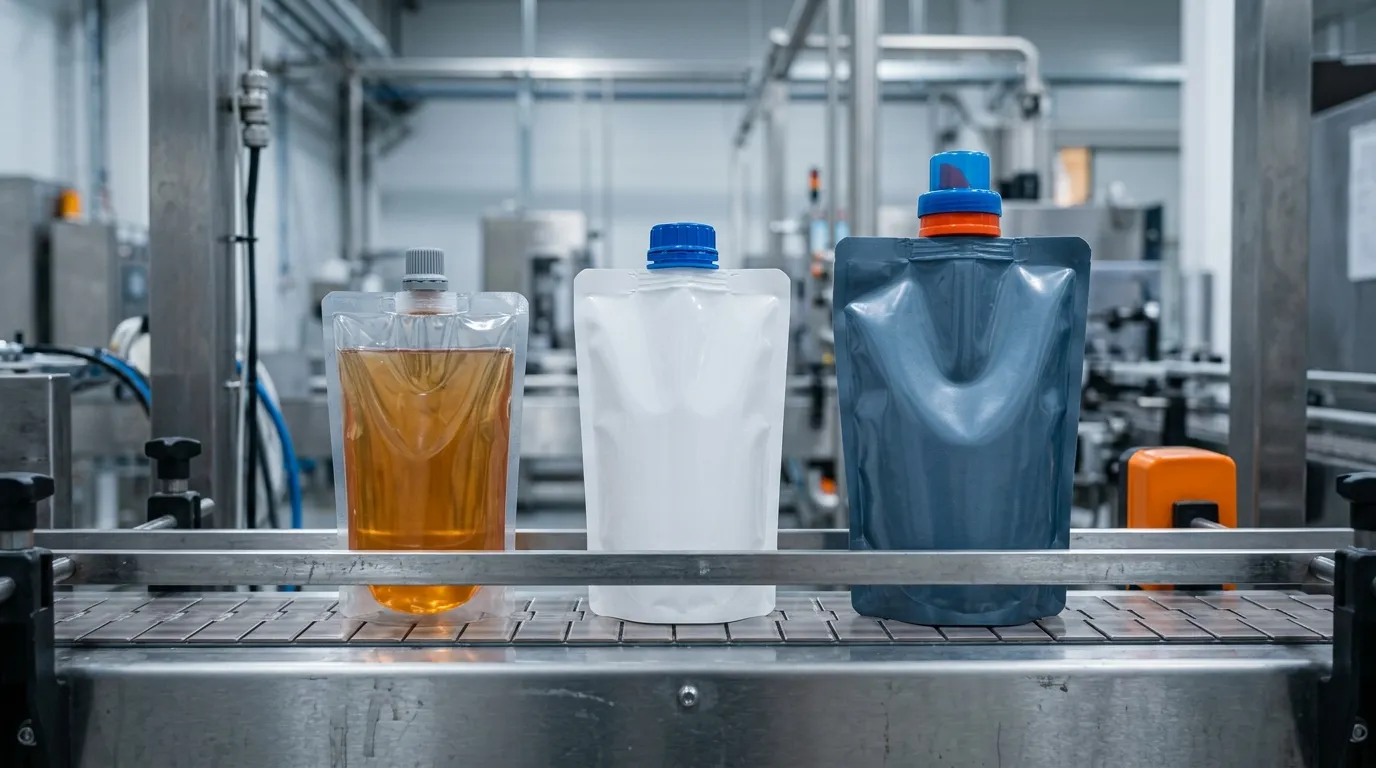
Spout Cap for Liquid and Powder Fills
A spout cap for liquid and powder fills is decided by viscosity, particles, corrosiveness and fill temperature; only pouch testing approves the final model.
Read guide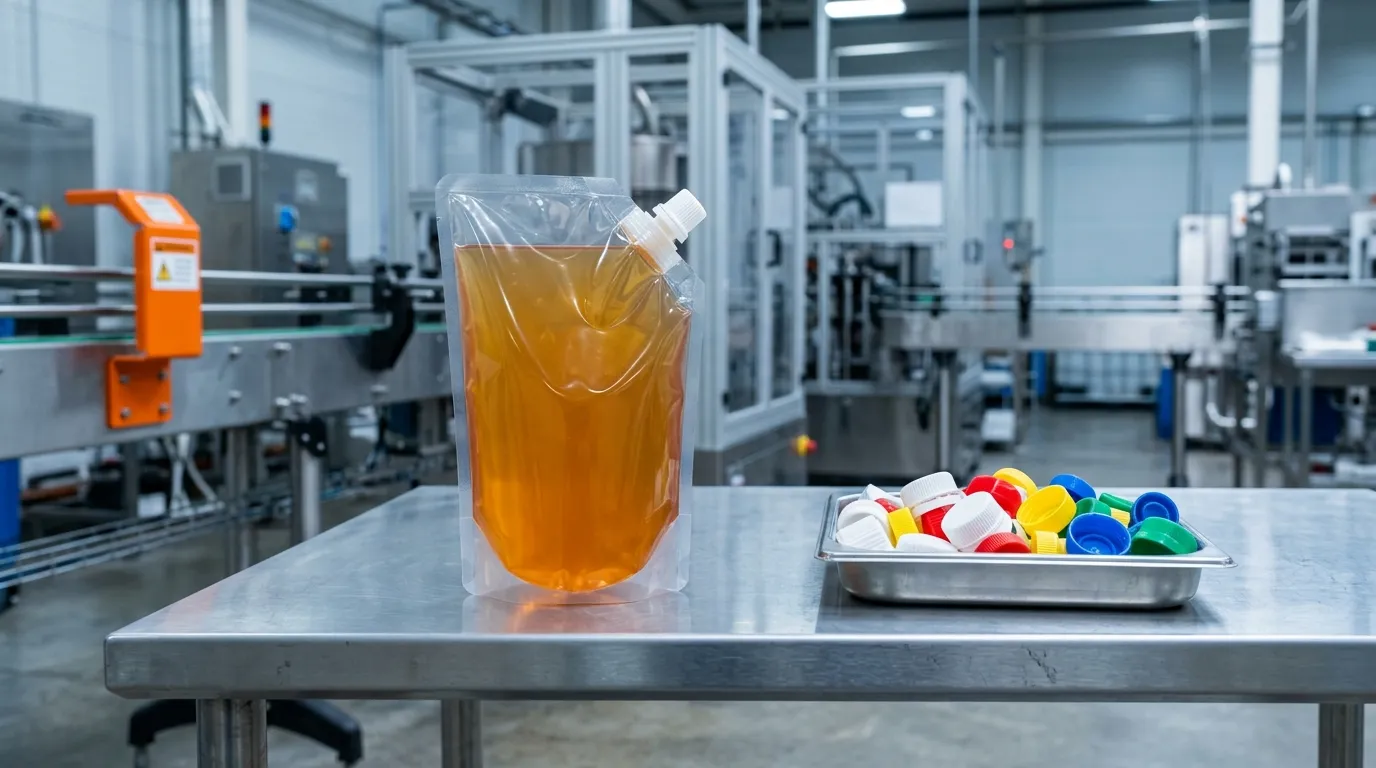
How to Choose a Spout Cap for Your Pouch
Choose a flexible-packaging spout cap in five steps: contents, flow and bore, material and closure, pouch sealing, and filled-sample validation on your line.
Read guide
Spout Cap Price: What Drives the Quote
Spout cap price depends on material grade, volume, cap design and tooling. What drives the quote for stand-up pouch spout caps, and how to compare offers.
Read guide
Custom Spout Caps: Stock, Color or Mold
Custom spout caps come three ways — a stock model, a custom Pantone color, or a new mold. See what each route asks you to send and the MOQ that applies.
Read guide
Detergent Pouch Cap Material: Cracks & Fixes
Detergent pouch cap material decides whether your stand-up pouch cap cracks under stress. Compare PE, PP, HDPE and PET, then verify with a supplier checklist.
Read guide
Does the EU Tethered Cap Rule Apply to Spouted Pouches?
Since 3 July 2024, caps on single-use plastic beverage containers up to 3 L must stay attached. Do spouted pouches fall in scope? What EU guidance now says.
Read guide
Sourcing Spout Caps from China: MOQ, Payment
A buyer's guide to sourcing spout caps from China for stand-up pouches: MOQ tiers, lead times, payment terms, and inspection steps that protect your order.
Read guide
Custom Spout Cap Tooling: Cost and Rounds
Custom spout cap tooling cost explained: what drives mold pricing, how many sampling rounds to budget for, and when a new mold is worth opening.
Read guide
Food Contact Regulations for Pouch Spout Caps: EU & FDA
Food contact rules for pouch spout caps: EU 1935/2004 and 10/2011, FDA 21 CFR, the EU tethered-cap rule, recyclable PE, and a buyer's compliance checklist.
Read guide
Food-Grade Spout Caps: What Certification You Need
Food-grade spout cap certification for juice, sauce and dairy pouches: FDA 21 CFR, EU 1935/2004, migration testing, and what documents to demand from suppliers.
Read guide
Spout Sealing Temperature: The Window Your Film and Your Cap Have to Share
A spout has both a sealing window and a process rating. What 121 °C retort and 110–130 °C low-temperature sealing each mean on a real line.
Read guide
Spout Cap Diameter Guide: Which Bore Size for Juice, Sauce, Detergent and Grain
Pick a pouch spout bore from 1.2 to 40 mm: what each band pours well, where the boundaries sit, and how to match opening size to your fill and your line.
Read guide