

Topic
Spout Caps by Content
Which spout cap fits your fill — liquid, powder, corrosive or hot-fill — and the closure features each product type demands.
13 guides
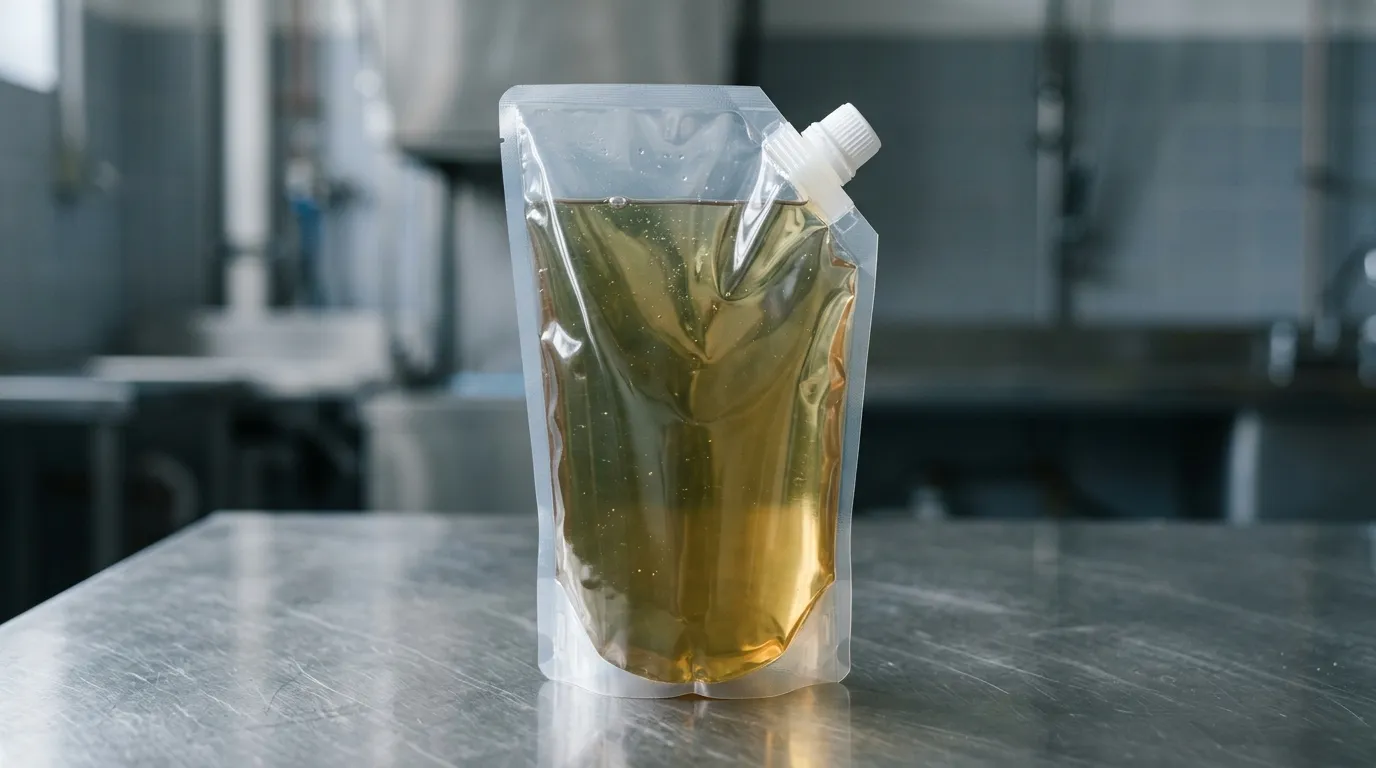
Dishwashing Liquid Refill Pouch Test Plan
A bench test plan for dishwashing liquid refill pouch packaging: how to provoke foam, weigh the product residue, and judge pour control before you commit.
Read guide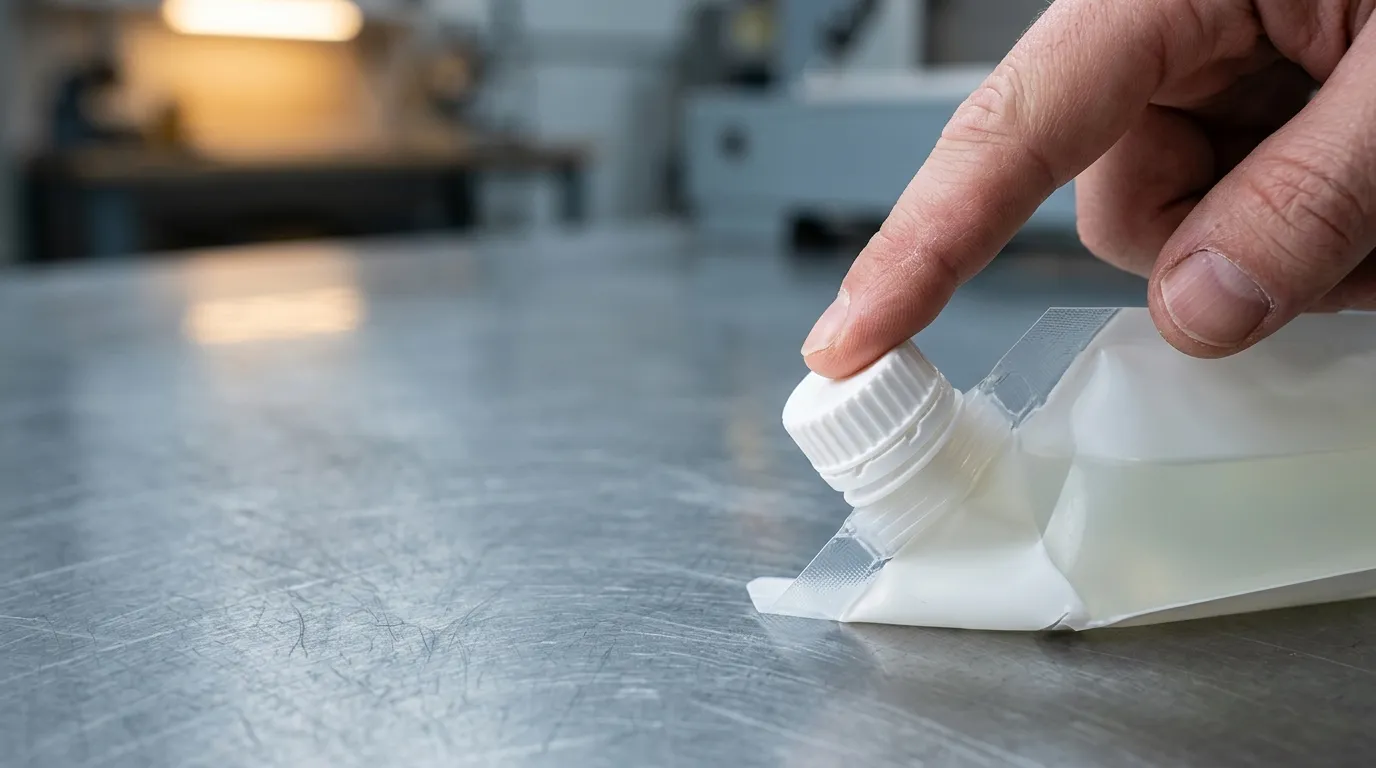
Accessible Refill Packaging: Planning a Pouch Cap User Study
Planning a pouch cap user study for accessible refill packaging: the three conditions to test, who to recruit, and a blank record sheet you can reuse.
Read guide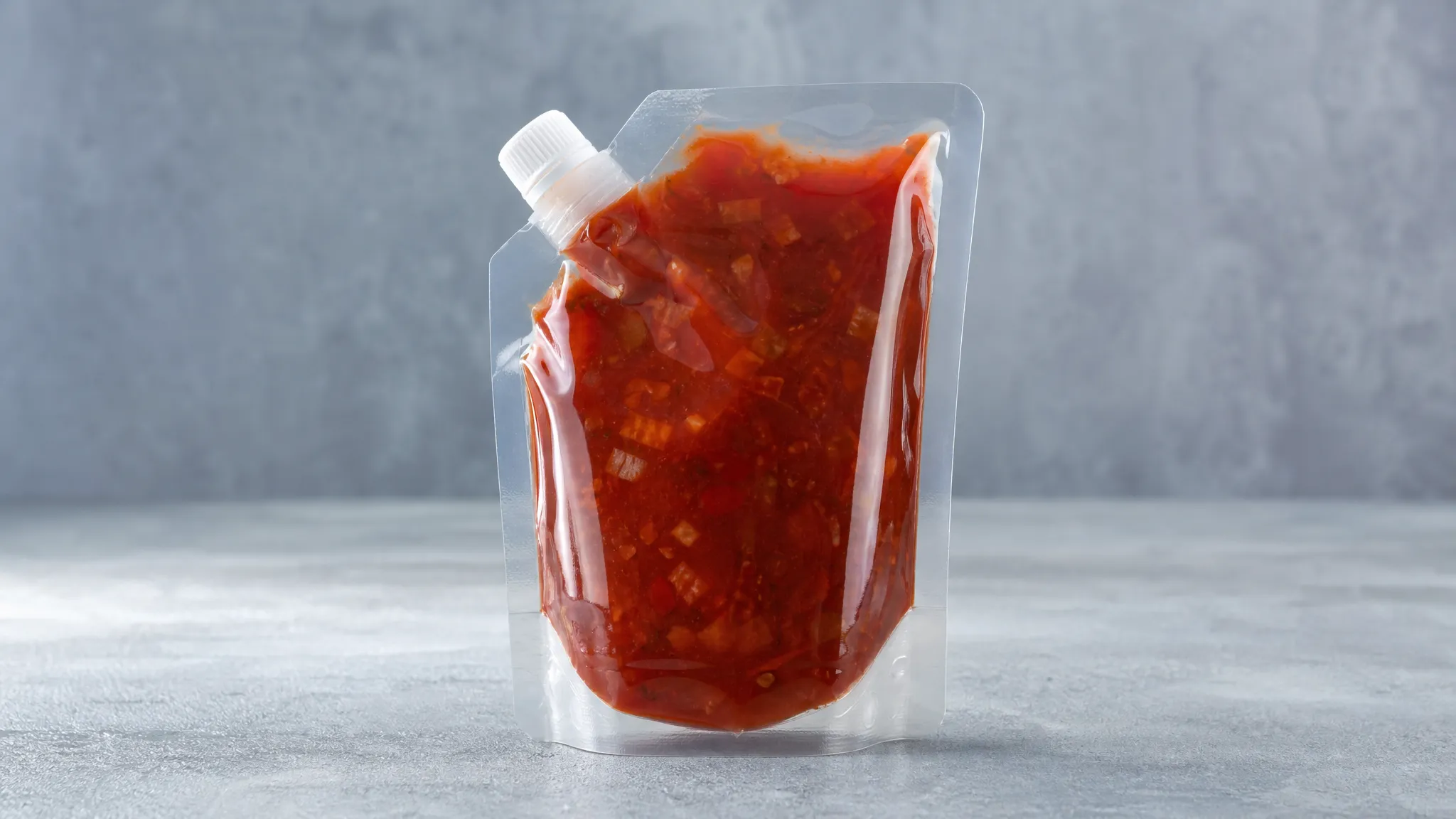
Spout for Sauce with Particulates: Test Guide
A spout for sauce with particulates is not approved by bore size alone. Characterise the particle, measure the real flow path, then test the actual pouch.
Read guide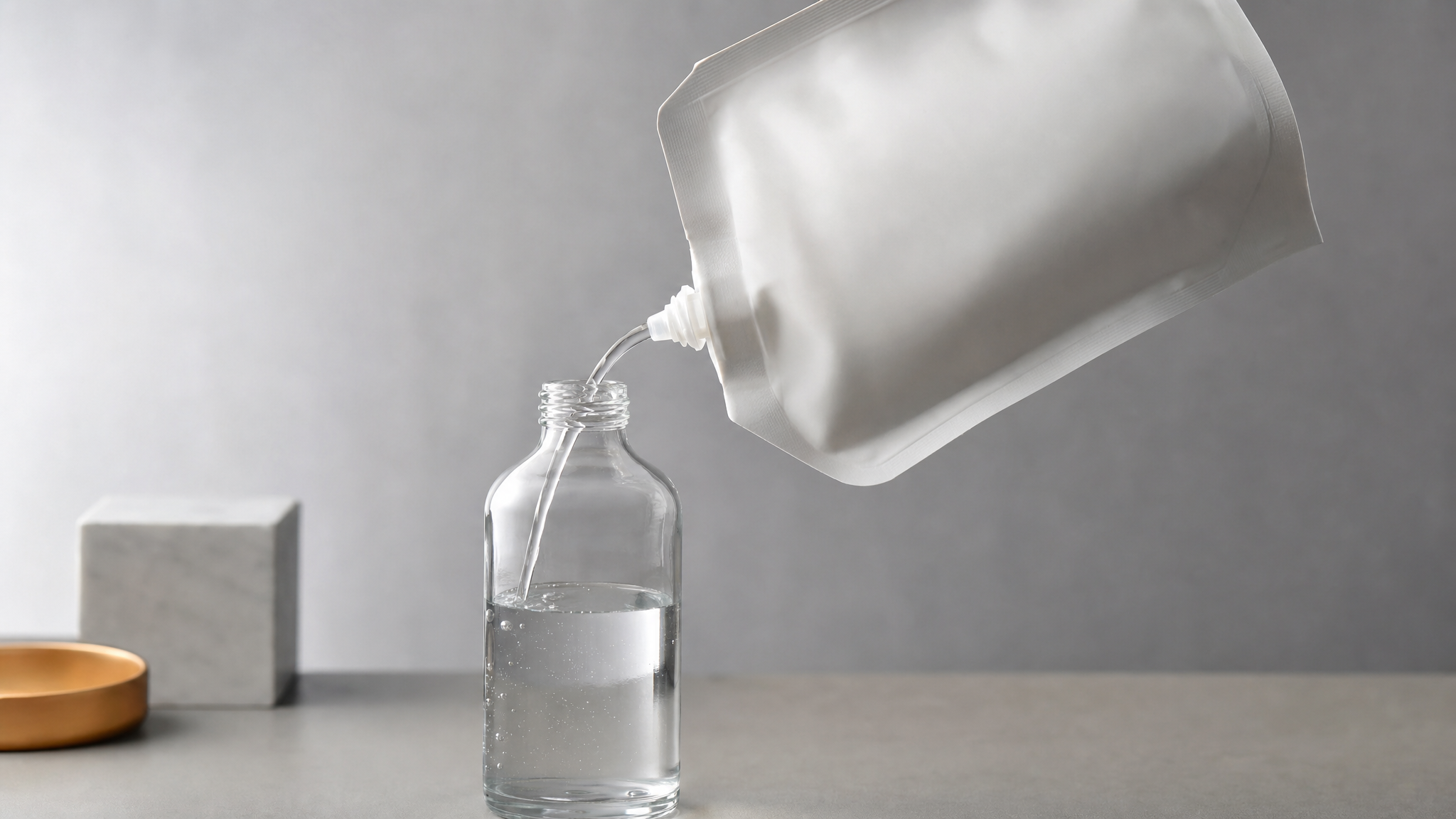
Choosing a Refill Pouch Spout for Bottles
Pouring a refill pouch into a bottle is a transfer task, not a sealing one. Here are the four checks that decide the pour, and the samples to test them on.
Read guide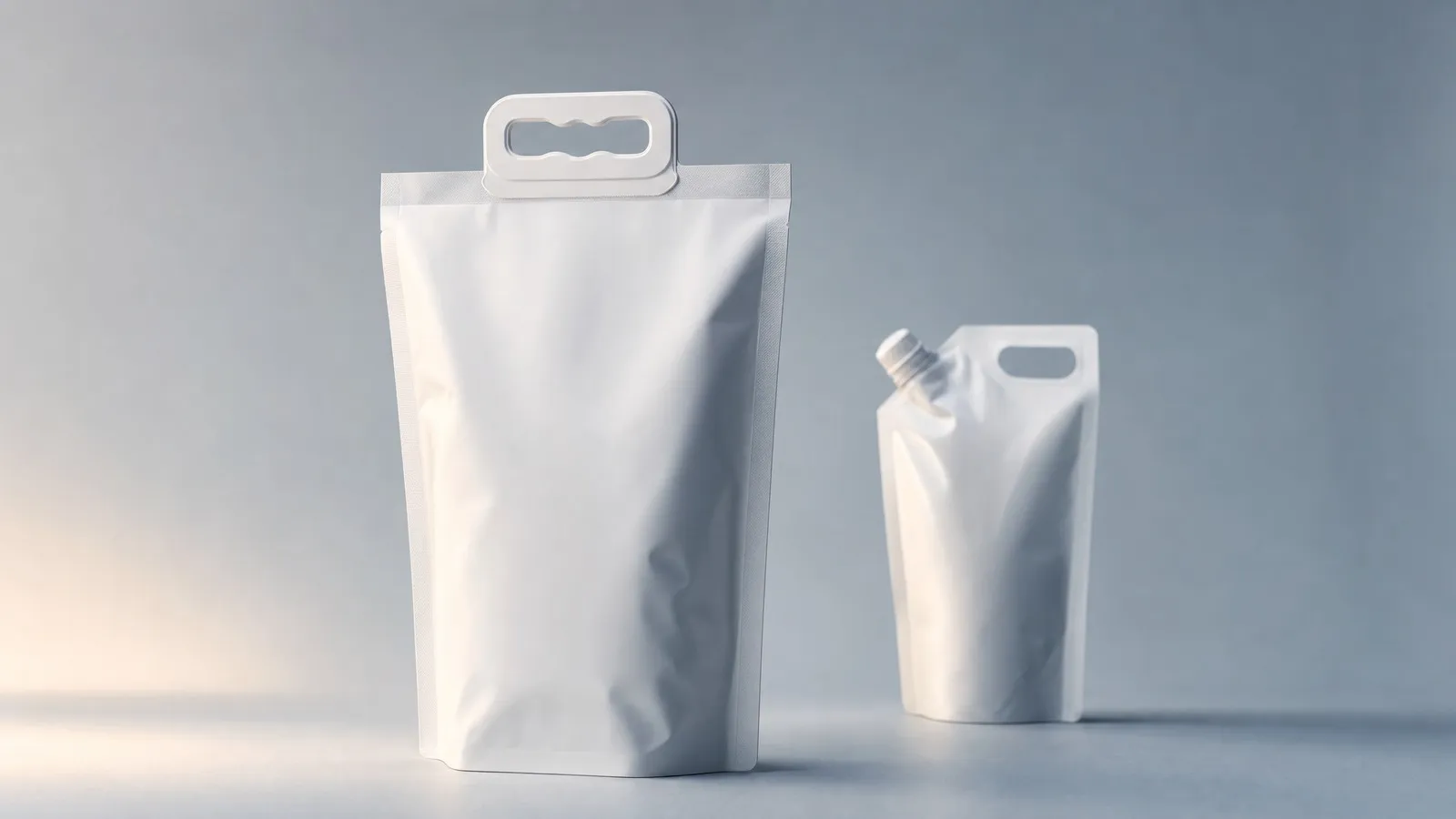
Molded vs Die-Cut Pouch Handles: How to Choose
Molded vs die-cut handles for flexible pouches: how load, film structure and the weld zone decide which carry handle your stand-up pouch should really have.
Read guide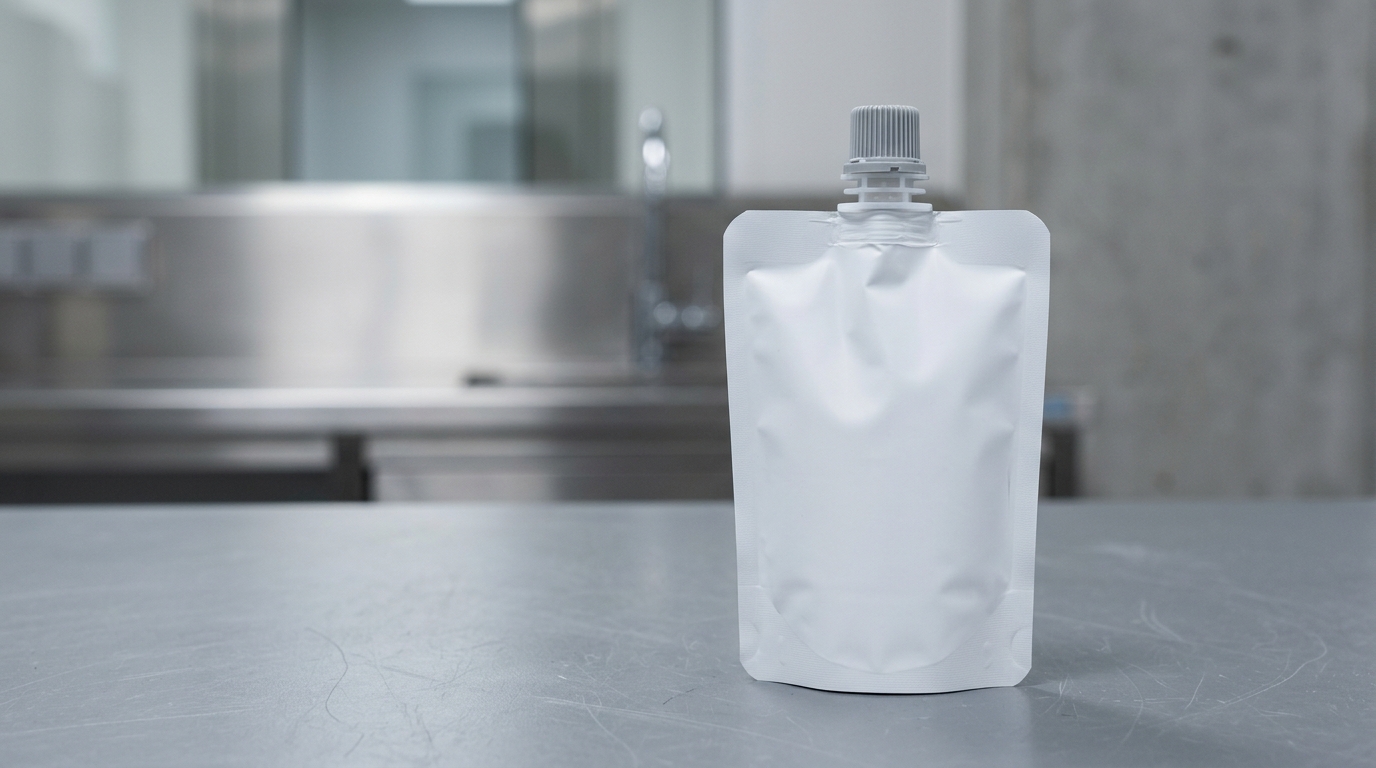
Medical Pouch Spout Cap Guide for Oral Liquid
Choosing a medical pouch spout cap starts with bore and closure, then with the documents behind it. What to specify for oral liquid and pharma pouches.
Read guide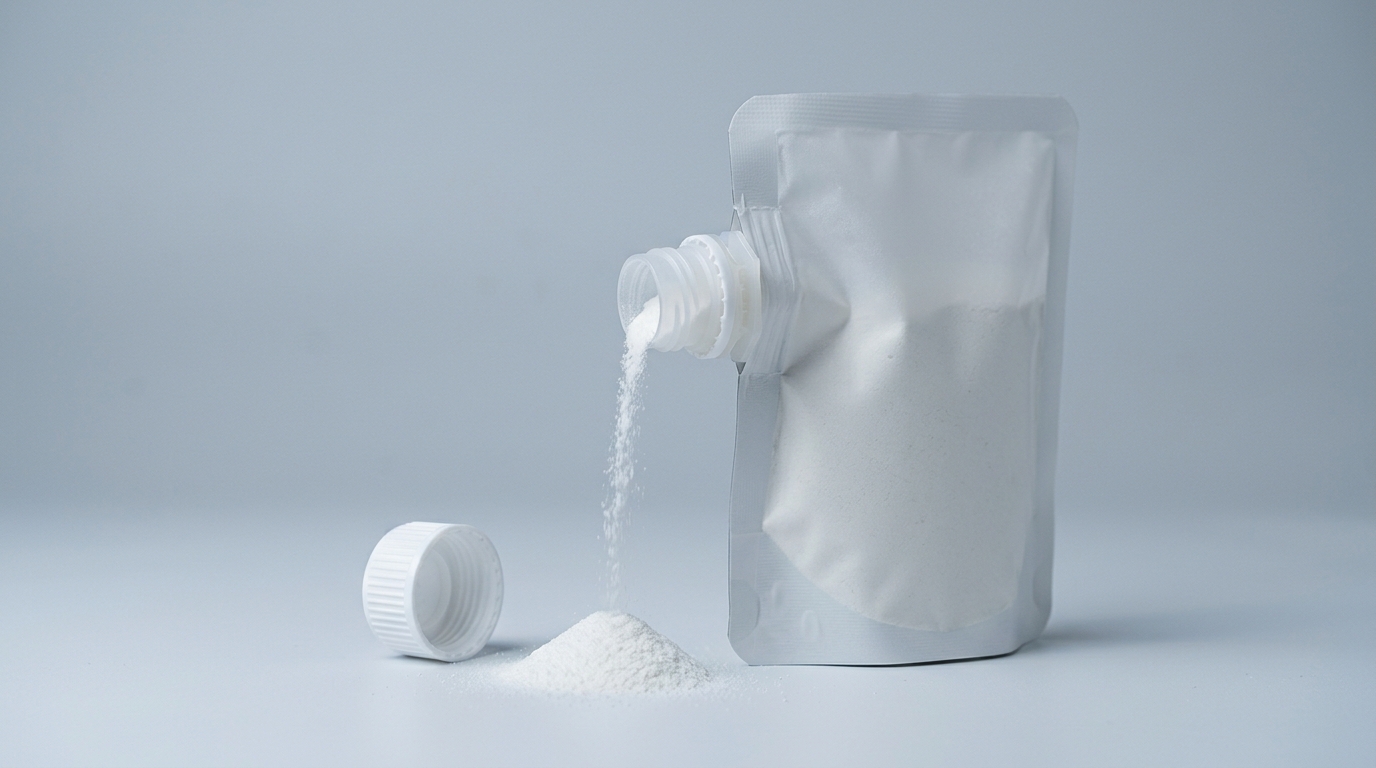
Powder Pouch Spouts: Bore & Anti-Clog Design
How to specify a powder pouch spout for stand-up pouches and doypacks: bore size for powder flow, anti-bridging bore geometry, venting, caking and seal fit.
Read guide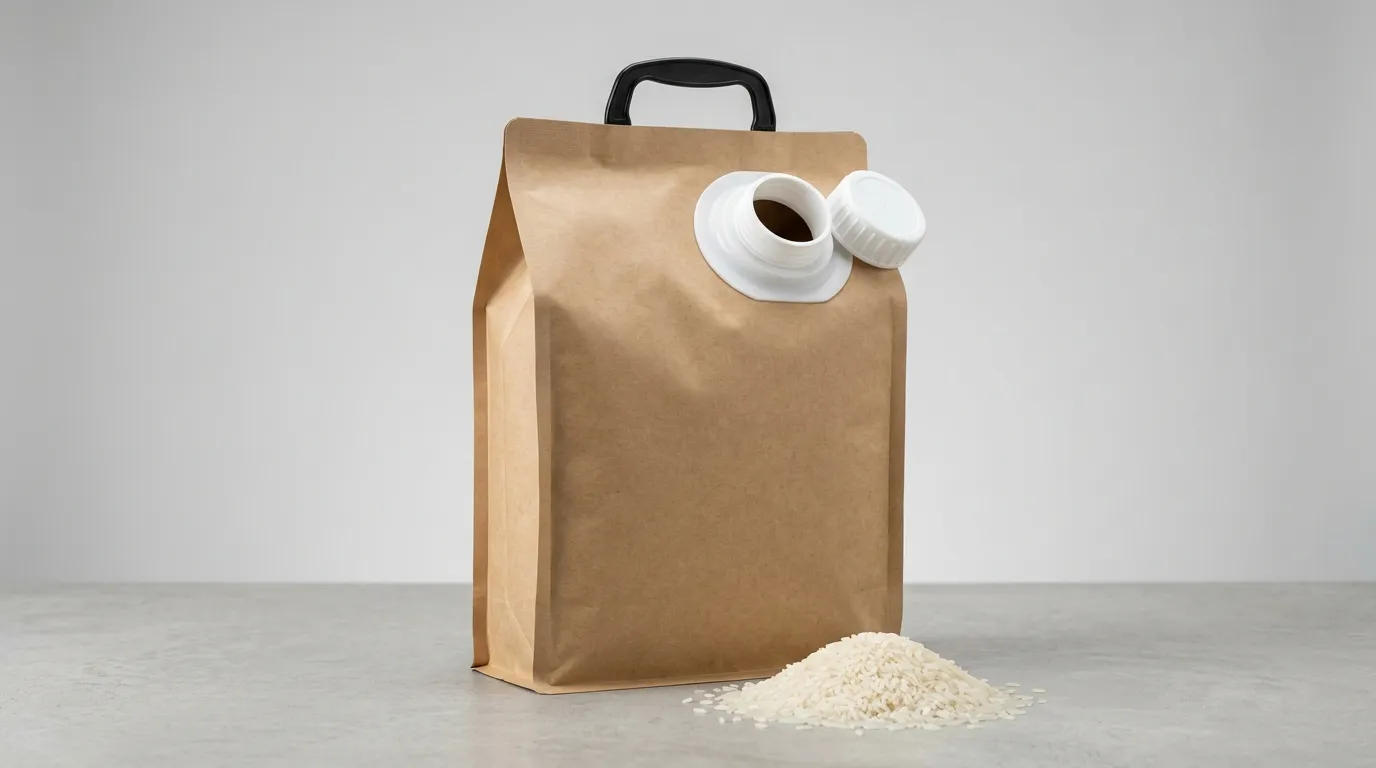
Large-Bore Spouts and Handles for Grain
How to choose the large-bore spout cap and handle for rice, pet food and grain stand-up pouches: granule size sets bore, film sets seal, weight sets handle.
Read guide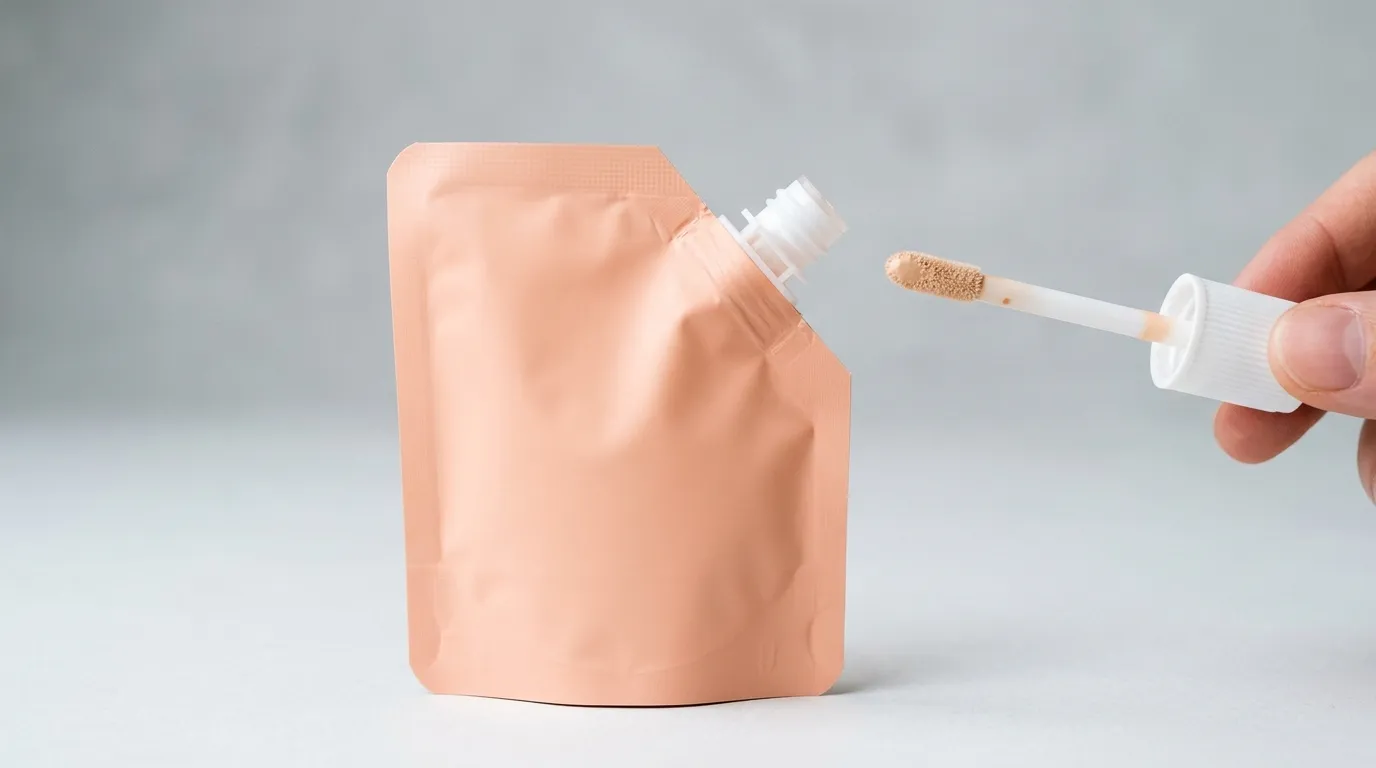
Cosmetic Brush Cap Pouch for Sample Packs
Cosmetic brush cap pouch: the applicator lives in the cap, so lip gloss, mascara and eyeliner sample packs need one fewer component to source, fill and seal.
Read guide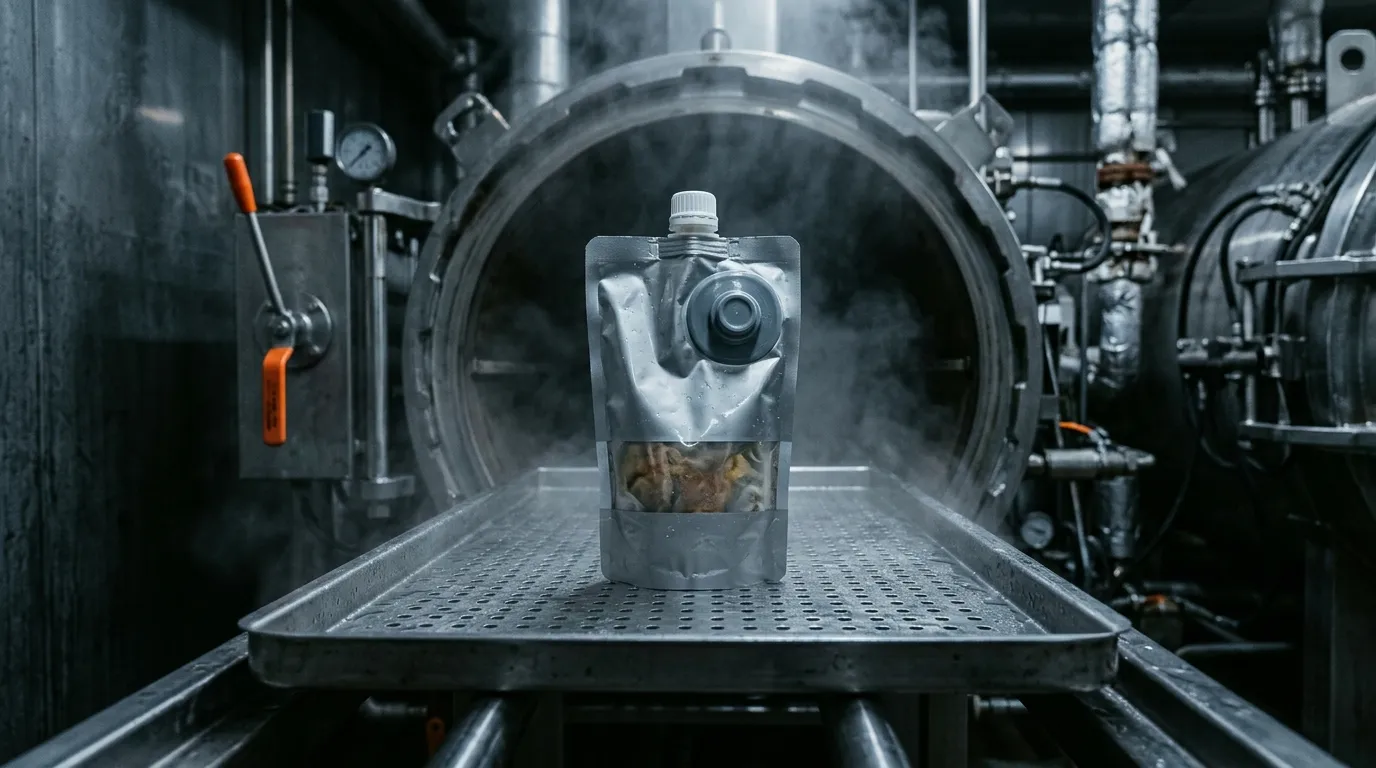
Retort Pouch Spouts: Surviving 121°C Without Deforming
Retort pouch spouts must hold geometry at 121 °C. Learn why PP beats PE, how wall, thread, and weld design resist deformation, and how to validate a closure.
Read guide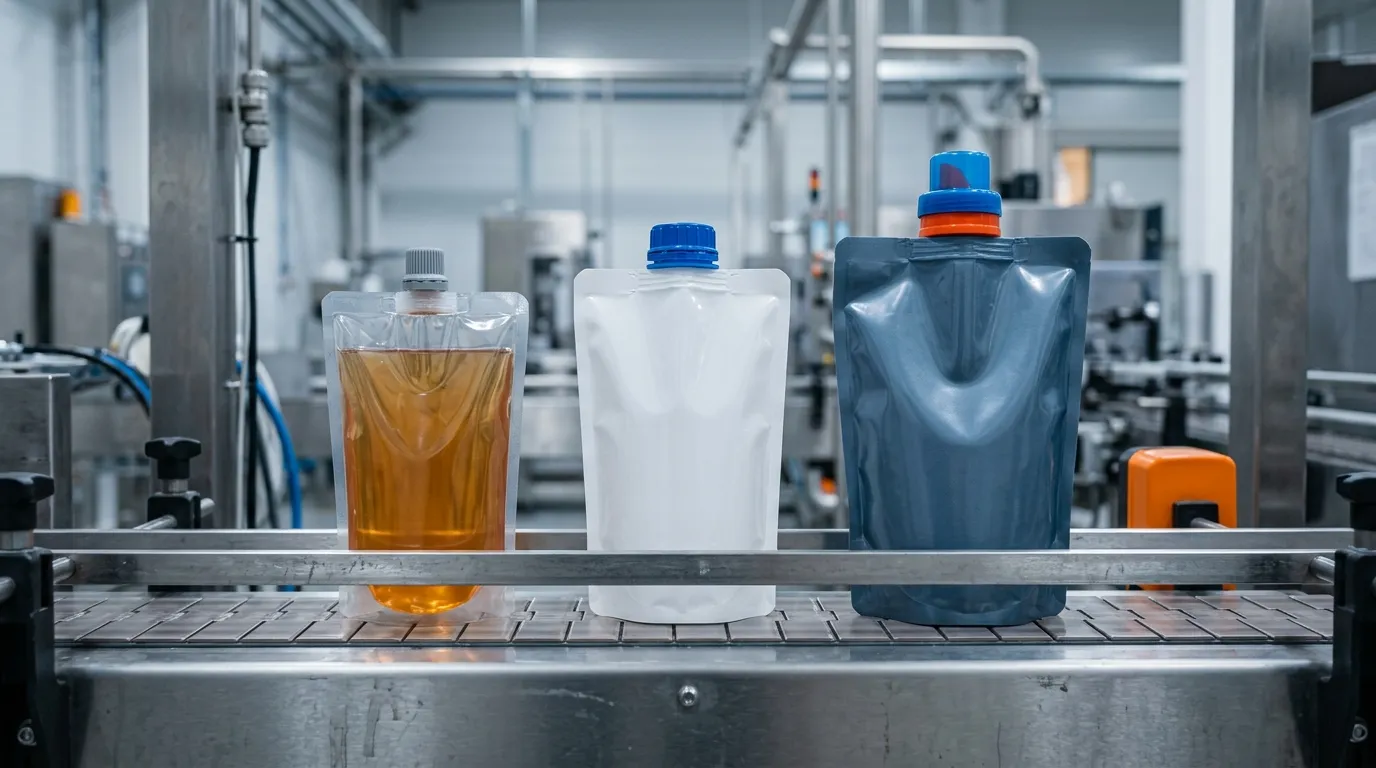
Spout Cap for Liquid and Powder Fills
A spout cap for liquid and powder fills is decided by viscosity, particles, corrosiveness and fill temperature; only pouch testing approves the final model.
Read guide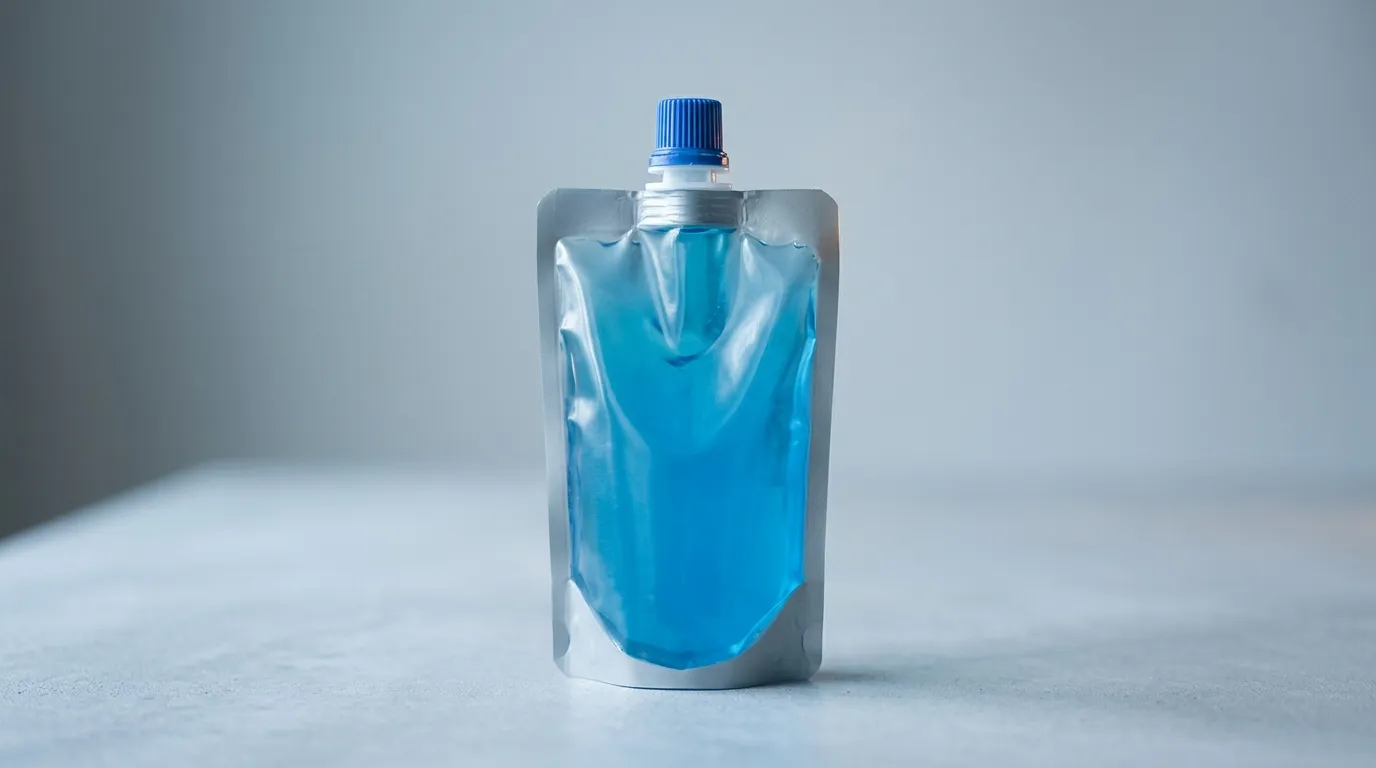
Detergent Pouch Cap Material: Cracks & Fixes
Detergent pouch cap material decides whether your stand-up pouch cap cracks under stress. Compare PE, PP, HDPE and PET, then verify with a supplier checklist.
Read guide
Food-Grade Spout Caps: What Certification You Need
Food-grade spout cap certification for juice, sauce and dairy pouches: FDA 21 CFR, EU 1935/2004, migration testing, and what documents to demand from suppliers.
Read guide