

Topic
Choosing & Running Spout Caps
Which bore, which material, which sealing temperature — and whether it will run on the line you already have.
7 guides
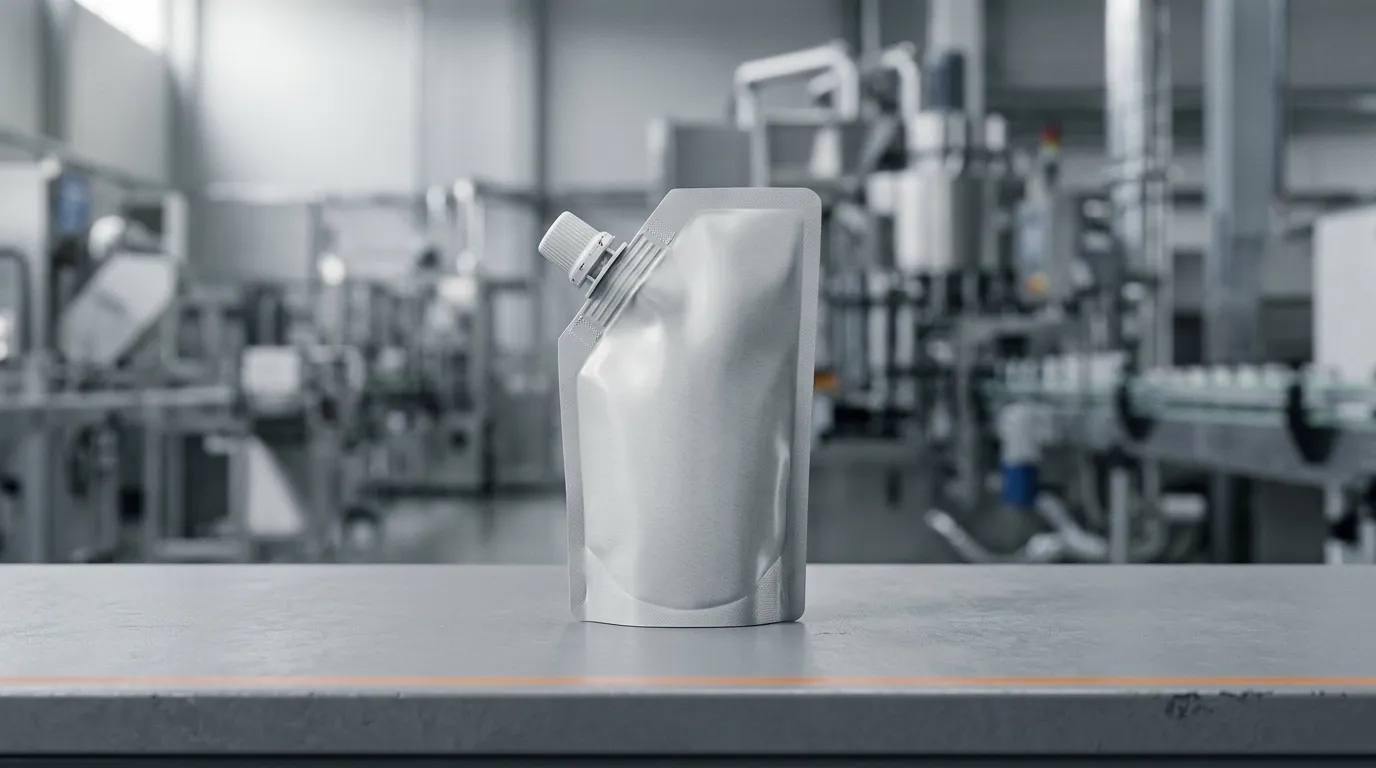
Tamper-Evident vs Child-Resistant Spout Caps
Tamper-evident and child-resistant closures stop two different failures: one shows a pouch has been opened, one slows a child. What the rules actually require.
Read guide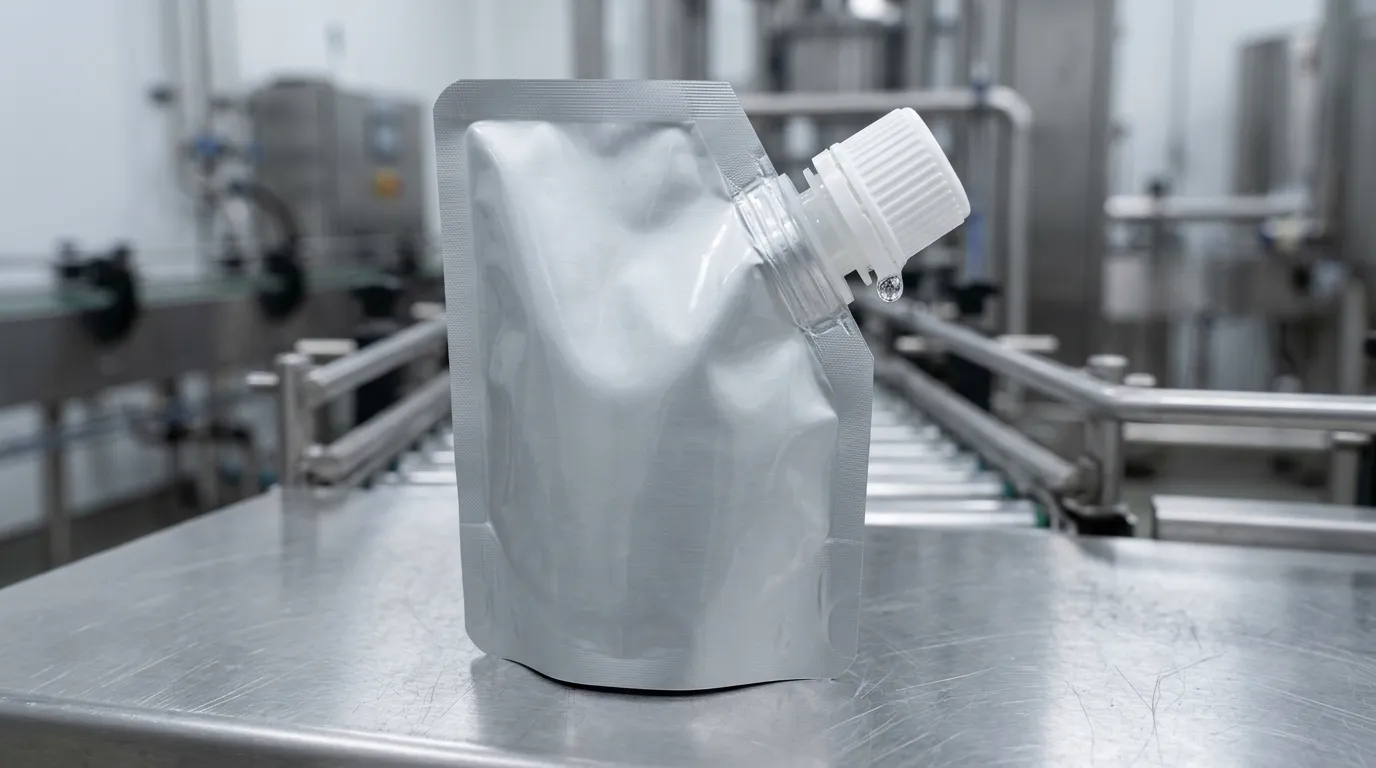
Pouch Spout Leaking After Filling? 5 Causes and Fixes
Leaking spout pouches usually trace to five faults: mismatched threads, wrong torque, a cold weld, resin mismatch, or contamination. Confirm and fix each one.
Read guide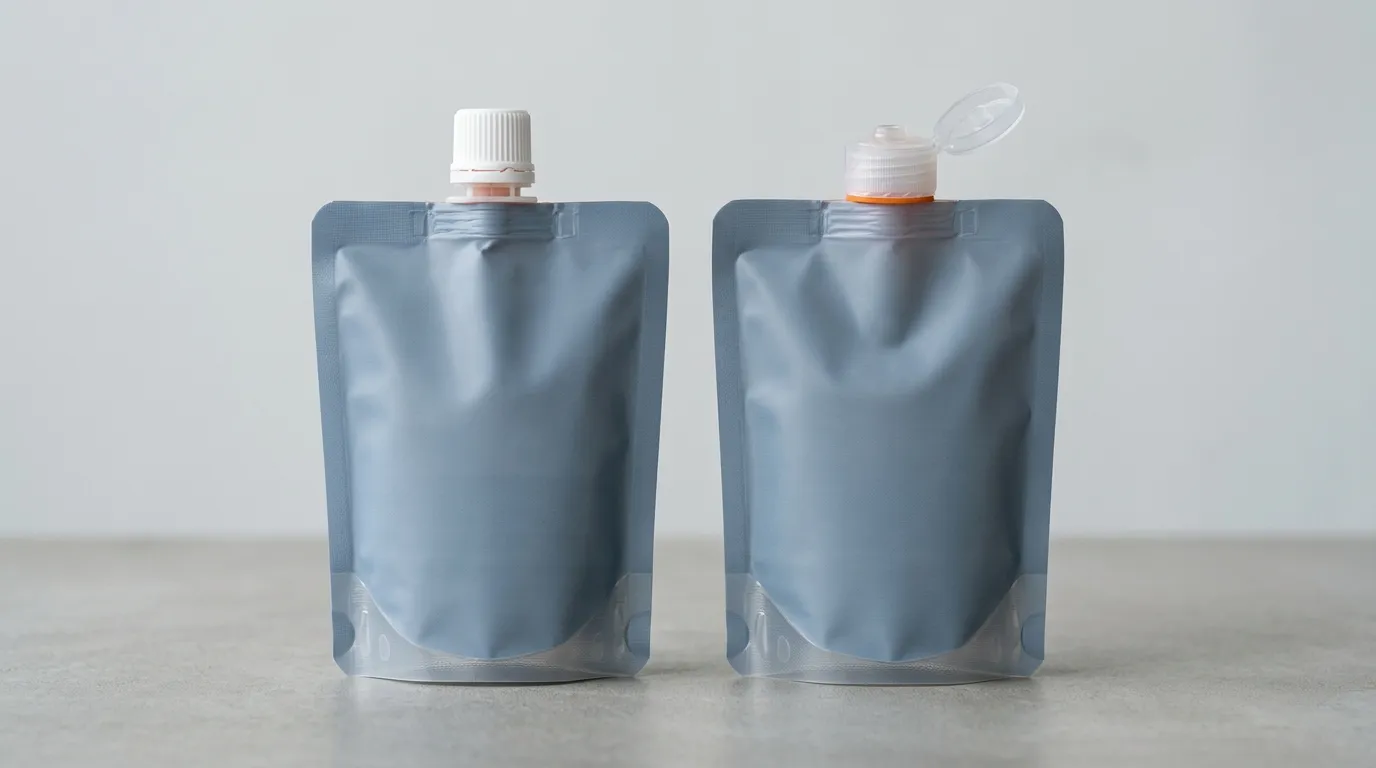
PP vs PE Spout Caps: Match to Your Pouch Film
PP vs PE spout caps: match the resin to your pouch film. PP handles hot-fill and retort; PE seals at low temperature and keeps mono-material pouches recyclable.
Read guide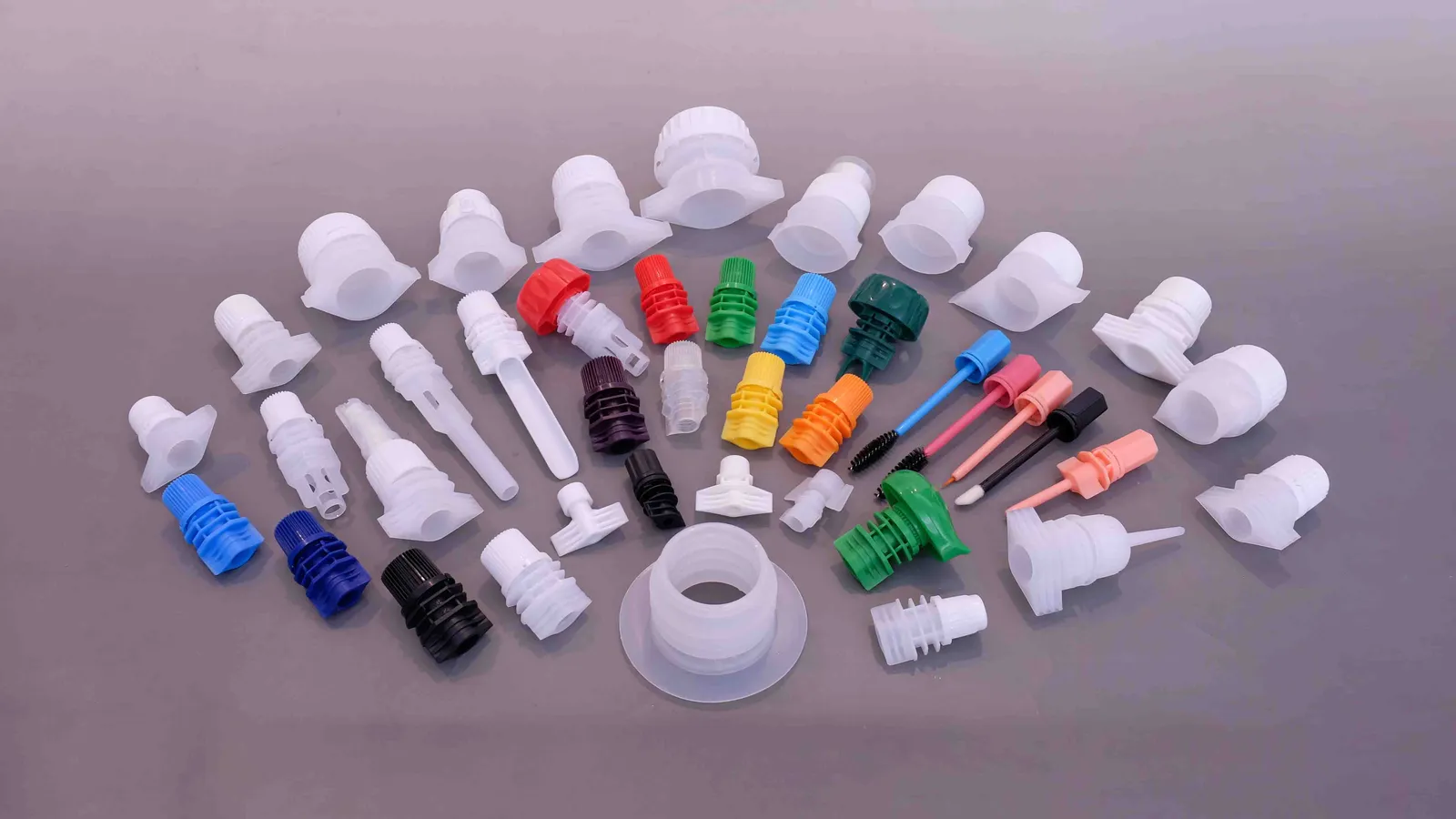
Spout Cap Specifications: RFQ Checklist
Spout cap specifications become quotable with six lines: pouch film, fill conditions, inner diameter and cap style, quantities, market, and validation needed.
Read guide
How to Choose a Spout Cap for Your Pouch
Choose a spout cap in five steps: contents, flow and bore, material and closure, pouch sealing, and filled-sample validation. That order writes your RFQ.
Read guide
Spout Sealing Temperature: The Window Your Film and Your Cap Have to Share
A spout has both a sealing window and a process rating. What 121 °C retort and 110–130 °C low-temperature sealing each mean on a real line.
Read guide
Spout Cap Diameter Guide: Which Bore Size for Juice, Sauce, Detergent and Grain
How to pick a pouch spout bore from 1.2 to 40 mm — what each range pours well, and the three sizes that cover most orders.
Read guide